






Luxembourg Tightens Drone Rules
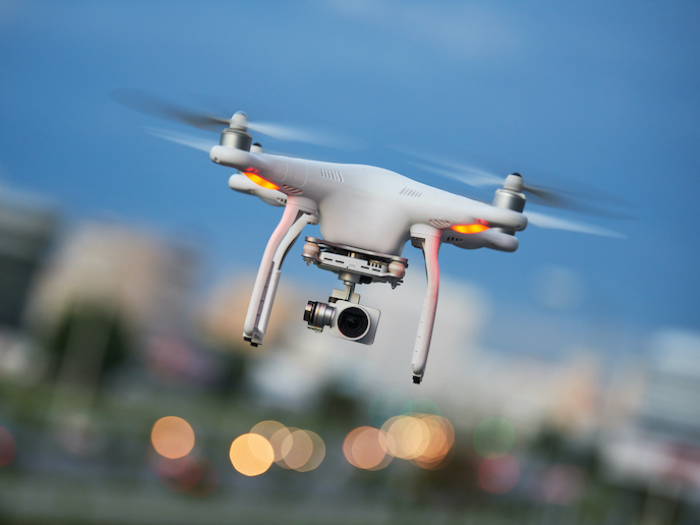
Luxembourg has entered 2026 with a significantly strengthened national framework governing the use of drones, bringing new legal clarity and firmer enforcement to a sector that has expanded rapidly in recent years. A law adopted on 19 December 2025 and now fully in force complements existing European Union rules and introduces criminal penalties, formalized fees, and clearer operational boundaries for drone users across the country.
The new framework updates long-standing aviation legislation dating back to 1948 and 1999, aligning it with contemporary unmanned aircraft systems and the realities of civilian drone use. While European regulations continue to set the overall structure, Luxembourg’s national rules now add enforceable sanctions for non-compliance, marking a shift from largely advisory oversight to stricter regulatory control.
Drone operators are reminded that registration is mandatory before any activity takes place. Operators must also respect national geographic flight zones as published on Geoportail, which are the only legally valid reference. Authorities have stressed that these zones may differ from those displayed by drone manufacturers’ software and that relying on manufacturer data alone does not exempt users from liability.
Training requirements remain dependent on the category of operation, but the new law introduces a notable change by allowing minors aged 14 and above to register as drone operators in the open category. This adjustment reflects the growing use of drones among younger users while maintaining clear limits on the complexity of operations they are permitted to conduct.
Operations falling under the specific category, such as flights beyond visual line of sight, aerial spraying, or industrial cleaning, continue to require prior operational authorization. Failure to comply with these obligations can now lead to criminal penalties, reinforcing the seriousness with which authorities view unauthorized or unsafe drone activity.
From mid-January 2026, a structured fee system has come into effect. Registration or renewal as a drone operator costs ten euros, while an operational declaration under a standard scenario costs thirty euros. Registration for the open A2 theoretical exam is set at forty-five euros. Authorization requests in the specific category are subject to variable fees calculated on the time spent assessing applications, billed at an hourly rate of one hundred and thirty euros within defined minimum and maximum limits. Flat fees apply upfront and are non-refundable once processing begins, even if the authorization is ultimately not granted.
All payments must be made before any service is delivered or document issued. Non-payment automatically blocks the issuance of authorizations or certificates. Most procedures are handled digitally through MyGuichet.lu, while exam registration is managed via Eurocontrol’s Learning Zone platform with payment routed through national services.
The Minister of Mobility and Public Works Yuriko Backes has framed the new rules as necessary to ensure safety, legal certainty, and fair use of Luxembourg airspace. As drones become more common in professional and recreational settings, the updated framework signals a clear message. Innovation is welcome, but it must operate within defined and enforceable boundaries.