








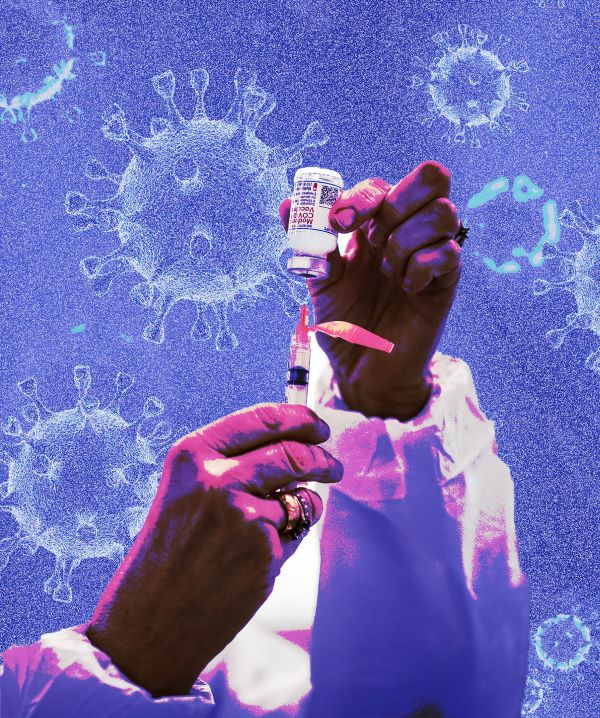
The Lingering Risks of COVID-19 Vaccination
Years after the global vaccination drive that helped bring the pandemic under control, concern has not entirely faded over the risks that accompanied the unprecedented scale and speed of immunisation. While public-health authorities continue to emphasise that vaccines saved millions of lives, medical monitoring systems across continents are still documenting uncommon but sometimes serious adverse effects and, in rare cases, deaths judged to be linked to vaccination.
From the beginning, scientists acknowledged that no vaccine is entirely without risk. What made the COVID-19 rollout different was its reach – billions of doses delivered within a compressed timeframe, using technologies that were new to large-scale public use. That scale alone meant that even extremely rare complications would inevitably surface in measurable numbers.
Cardiac inflammation became one of the earliest and most closely studied concerns. Cases of myocarditis and pericarditis, particularly among younger males after mRNA vaccination, prompted investigations by regulators and health ministries. Most patients recovered, but the condition is medically serious and in a small number of instances proved life-threatening. Surveillance bodies in multiple countries confirmed that the risk, though low, was real enough to justify formal warnings.
Blood-clotting disorders associated with viral-vector vaccines triggered a different wave of alarm. The clotting syndrome identified in recipients of vaccines developed by AstraZeneca led some governments to restrict or discontinue their use. Though the condition was exceedingly rare, it carried a high mortality rate among those affected, sharpening public anxiety about vaccine safety.
Severe allergic reactions, including anaphylaxis, were also documented shortly after rollout began. Medical observation periods following vaccination were introduced precisely because of this risk. While emergency treatment is effective when administered quickly, the unpredictability of such reactions reinforced the reality that even routine immunisation carries immediate medical hazards for a small minority.
More complex and less clearly understood are neurological and autoimmune reports. Pharmacovigilance databases contain accounts of seizures, nerve inflammation, worsening of pre-existing neurological illness and, in isolated cases, rapid disease progression following vaccination. Researchers caution that such events are difficult to interpret – serious neurological conditions often emerge spontaneously, and large populations inevitably generate coincidental timing. Yet the clustering of certain reports has ensured that long-term monitoring continues.
Deaths linked to vaccination remain rare but not nonexistent. Safety reviews in several countries have concluded that a limited number of fatalities were probably or possibly connected to vaccine complications, most commonly severe clotting disorders or cardiac inflammation. Determining causation is complex, requiring detailed medical investigation and comparison with background mortality rates. Nonetheless, the confirmation of any vaccine-related death carries weight, both medically and socially, because immunisation programmes are administered to healthy populations.
The work of monitoring these outcomes falls to regulators such as the World Health Organization, the European Medicines Agency and the U.S. Food and Drug Administration, alongside national surveillance systems. These bodies collect reports of adverse events, investigate patterns and, when necessary, adjust guidance. Their databases include millions of entries – not because vaccines are widely dangerous, but because monitoring is intentionally exhaustive. Every serious health event after vaccination is recorded, whether ultimately linked or not.
The manufacturer most closely associated with early myocarditis investigations, Pfizer, like other developers, has been subject to ongoing safety reviews and regulatory updates. Such scrutiny is standard in large-scale immunisation campaigns but has been unusually visible in this case, reflecting both public attention and the novel nature of the vaccines themselves.
What troubles some observers is not only the confirmed adverse effects, but the uncertainty that remains. Long-term population studies continue, but chronic conditions can take years to fully evaluate. Researchers are still examining whether vaccination may, in rare circumstances, trigger immune or inflammatory responses with delayed consequences. Others argue that similar or greater risks follow COVID-19 infection itself, complicating efforts to isolate vaccine-specific outcomes.
For those who experience serious complications, treatment depends on the condition – anti-inflammatory therapy for heart inflammation, specialised anticoagulation for clotting disorders, emergency care for allergic reactions, and neurological management where required. Some governments have established compensation programmes for verified vaccine injury, acknowledging that collective public-health protection can come at individual cost.
The global vaccination campaign stands as one of the largest medical interventions in history. It altered the course of the pandemic and reshaped modern vaccine science. Yet its legacy is not defined solely by success. It also includes a continuing effort to understand the risks – rare but consequential – that emerged alongside protection.
For public-health authorities, the task remains one of balance: maintaining confidence in vaccines as essential tools of disease control while recognising that safety monitoring does not end when the last dose is given. It begins there.
Photo by Jackie Ricciardi