



Gulf War Fuel Shock Pushes Europe Towards Clean Energy Shift
The escalating conflict in the Gulf has begun to push fuel prices higher across Europe, sending petrol and diesel costs rising in countries including Luxembourg and its neighbours Belgium, France and Germany, while also intensifying debate over the urgent need to accelerate the transition to cleaner energy.
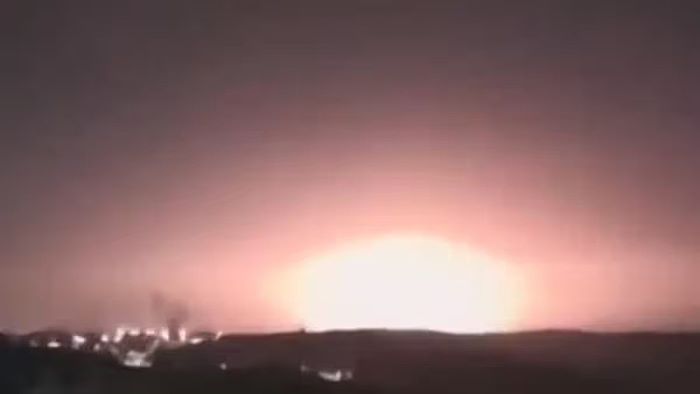
The surge follows sharp movements in global oil markets as traders react to fears that hostilities in the Middle East could disrupt one of the world’s most critical energy corridors. The Strait of Hormuz, through which a significant share of the global oil supply passes, has become a focal point of concern as the conflict raises the risk of shipping disruptions and attacks on energy infrastructure.
As crude oil prices climb, the impact has quickly filtered down to European fuel stations.
In Luxembourg, petrol and diesel prices have been adjusted upward several times in recent days as the government tracks global market changes. Petrol has climbed to around €1.50 per litre, while diesel prices have risen even more sharply. The increases have been closely watched in the Grand Duchy, where thousands of drivers from neighbouring countries cross the border daily to take advantage of relatively lower fuel taxes.
The price shock is also being felt across the wider region. In Belgium, petrol and diesel prices have risen steadily amid market volatility, while in France and Germany motorists are paying significantly more at the pump than just weeks ago. Energy analysts say the increases are likely to continue if the conflict deepens or shipping routes in the Gulf remain under threat.
The rise is being driven not only by the higher cost of crude oil but also by supply uncertainty and growing transport costs. Tankers carrying oil and refined products are facing longer and more expensive routes as security concerns spread across key maritime corridors in the Middle East.
For European economies already dealing with inflationary pressures, the fuel surge poses a fresh challenge. Higher transport and energy costs could ripple across industries ranging from logistics and agriculture to manufacturing, placing additional strain on households and businesses.
Yet the crisis is also reinforcing a longer-term shift already underway across Europe. Governments and industries increasingly view geopolitical instability in oil-producing regions as a powerful argument for accelerating the transition away from fossil fuels.
In the automotive sector, rising petrol and diesel prices are likely to strengthen the appeal of electric vehicles, which are already gaining ground across the continent. European countries have invested heavily in charging infrastructure and incentives for electric mobility, and volatile fuel markets could push more consumers toward alternatives that promise greater price stability.
Manufacturers across Europe are expanding investment in electric cars, battery technology and alternative fuels such as hydrogen, anticipating a future in which oil dependence becomes increasingly risky both economically and politically.
Luxembourg and the surrounding region are particularly sensitive to these shifts because of their highly mobile workforce and cross-border transport patterns. As fuel prices rise, commuters and businesses alike may increasingly look toward electric vehicles and other low-emission options.
The current turmoil in the Gulf illustrates once again how deeply European energy markets remain tied to global geopolitical tensions. But it also highlights a growing recognition that the path to energy security may lie not in securing new oil supplies, but in reducing reliance on them altogether.
Photo – © gridx.com