



Trapped in Dubai: Fear, Fact and the Fight Against Rumour
For many travellers who expected only a brief stopover, Dubai has become an unexpected place of waiting. Flights have stalled, airspace has tightened and the steady rhythm of one of the world’s busiest transit hubs has been interrupted by regional military escalation that few passing through had anticipated.
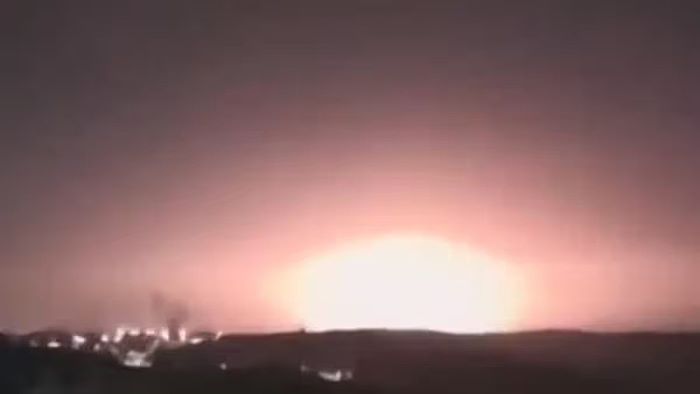
Yet the reality on the ground is more restrained than the dramatic imagery filling social media feeds. Videos of fireballs, thunderous blasts and apparent devastation have circulated widely, but eyewitness accounts and official briefings suggest a more complicated picture – a tense city operating under heightened security rather than one descending into chaos.
The disruption stems from missile and drone exchanges across the Gulf region, which have prompted the United Arab Emirates to activate air-defence systems and impose precautionary aviation restrictions. Interceptions in the sky have produced loud explosions and visible flashes, fuelling alarm among residents and travellers alike. But many of these detonations occur mid-air, not on impact, meaning the visual drama does not always correspond to widespread destruction on the ground.
Damage has been limited and uneven. There have been injuries and isolated structural impacts, but most districts continue functioning. Hotels remain open, transport systems operate, and essential services are intact. Some workplaces have shifted to remote arrangements, public alerts are issued during security incidents, and certain attractions have temporarily closed. Daily life has narrowed, not collapsed.
What has changed most dramatically is movement. With sections of regional airspace restricted, airlines have been forced into cancellations, diversions and rolling delays. Aircraft and crew are stranded in multiple countries simultaneously, creating a logistical backlog that cannot be cleared quickly even if skies reopen. Travellers who never planned to stay – including many Europeans – now find themselves confined to extended hotel bookings or airline-managed accommodation, waiting for routes to stabilise.
For those following events from afar, the online information environment has made matters harder to interpret. Some footage circulating widely is genuine but repetitive, replaying the same incident from different angles or times. Other clips are mislabelled, drawn from unrelated conflicts or older events. A smaller but growing share appears digitally generated, adding further confusion to an already anxious atmosphere. The result is a perception of continuous destruction that does not match the more contained reality reported by people inside the city.
Still, uncertainty weighs heavily on those stranded. Dubai is designed for movement – arrivals, departures, connections and its sudden stillness has psychological consequences. Travellers describe long hours of waiting for updates, constantly refreshed airline notifications and a sense of suspended plans that no timetable can yet resolve.
For Luxembourgers caught in the disruption, practical options remain limited but not nonexistent. Registering with the Ministry of Foreign and European Affairs of Luxembourg ensures that authorities know who is present and can coordinate assistance if organised departures or evacuation planning become necessary. Even where Luxembourg’s direct diplomatic presence is limited, travellers retain the right to seek help from any embassy of a fellow member state of the European Union, a provision designed precisely for moments when citizens find themselves abroad in unexpected crisis conditions.
Airlines and local authorities are also providing structured support in many cases, including accommodation extensions and rebooking arrangements, though these systems are strained by the sheer volume of stranded passengers. Independent rearrangements, while tempting, can sometimes complicate later departure coordination.
Ultimately, departure will depend on three forces beyond any individual traveller’s control: the pace of regional military developments, the reopening of safe flight corridors, and the time required for global aviation networks to untangle the backlog created by sudden closure. Even when flights resume, leaving will not be immediate. Aircraft must be repositioned, schedules rebuilt and priority given to those waiting longest or facing urgent circumstances.
For now, Dubai exists in an uneasy pause – secure but watchful, operational but constrained. The city’s skyline still stands, its infrastructure still runs, and its hotels remain full not of tourists beginning holidays but of travellers waiting for the world’s flight paths to knit themselves back together.
The most accurate description of the present moment may be a simple one – Dubai is not collapsing. It is holding its breath. And so are the people who cannot yet leave.
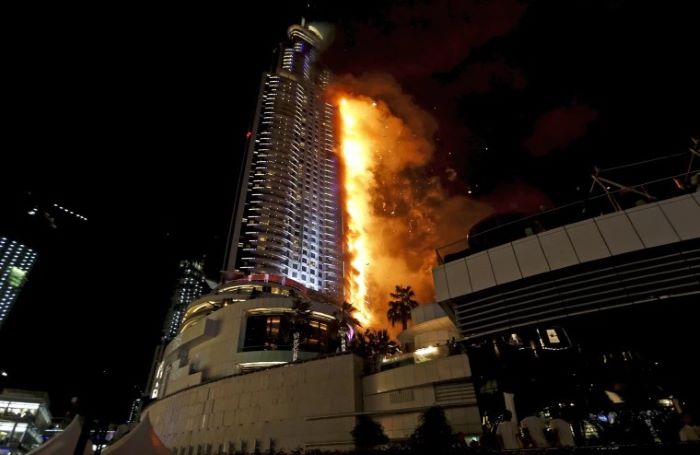
A fire engulfed The Address Hotel in downtown Dubai in the United Arab Emirates. Photo – © Thomson Reuters