


Bettel Takes Aim at the UN, Middle East Escalation, says Luxembourg to Lift Ban on Domestic Weapon Production
Luxembourg’s Foreign Minister Xavier Bettel isn’t mincing words. In a frank and
sweeping interview aired Tuesday by RTL, the former prime minister took aim at
everything from Europe’s diplomatic ineffectiveness to the United Nations’ outdated
structure, and even confirmed plans for a significant policy shift on weapons
manufacturing at home.
“The United Nations is a relic of the Second World War,” Bettel said, underscoring his
growing frustration with global institutions that, in his view, have lost their ability to
function as true agents of peace. He pointed directly at the permanent members of the
UN Security Council, naming Russia and China as powers that are “no longer
peacekeepers but contributors to instability.”
It was a bold moment in a conversation that oscillated between foreign policy realities,
national security, and the moral responsibilities of small states like Luxembourg in a
shifting geopolitical landscape.
A New Defense Posture for Luxembourg
Perhaps the most concrete revelation from the interview was Bettel’s confirmation that
Luxembourg is preparing to lift its long-standing ban on domestic weapons production.
It’s a policy rooted in pacifism and post-war ideals, but one Bettel now believes is no
longer sustainable.
“What’s the point of building partnerships abroad if we’re not allowed to manufacture
anything ourselves?” he asked, making the case that national defense investments
should strengthen the local economy and create jobs, not just feed into external supply
chains. But he was quick to clarify: this isn’t about militarisation. “It’s about deterrence.
About resilience. Not aggression.”
The move marks a significant shift for a country that has long leaned on NATO for its
security and preferred to lead through diplomacy rather than muscle. Still, as global
threats grow more complex and Europe becomes more vulnerable, Bettel argued that
Luxembourg must evolve too.
Middle East Flashpoints and Nuclear Dangers
When the conversation turned to the crisis in the Middle East, Bettel’s tone grew even
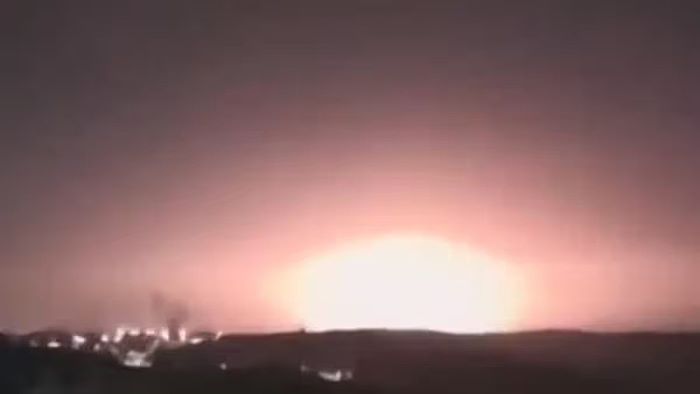
more urgent. The escalation between Israel and Iran, he warned, is dangerously close
to spiraling out of control. “If Iranian nuclear facilities are bombed, who knows what will happen next?” he said. “And if the United States intervenes, how will the rest of the
Arab world respond?”
Bettel revealed that over 100 Luxembourg nationals are currently in Israel, and about a
dozen in Iran. So far, there have been no mass evacuation plans, only a few in Israel
have sought assistance. Still, he said, the government is coordinating closely with EU
partners and monitoring developments.
He was particularly vocal in his condemnation of Israel’s ongoing blockade of
humanitarian aid into Gaza, calling on Europe to maintain pressure on the Netanyahu
government. “We must not allow the suffering in Gaza or in Ukraine, for that matter to
fade from global consciousness just because the headlines are elsewhere,” he urged.
Europe’s Missing Voice
For Bettel, the root of Europe’s global impotence lies in disunity. “Europe only carries
weight when the 27 member states act as one,” he said bluntly. “Too often, that’s not the
case.” Without a coherent foreign policy, the EU remains a giant in trade and values but
a dwarf in geopolitics.
That disunity, he suggested, is part of the reason why initiatives like recognising
Palestinian statehood often amount to little more than symbolic gestures. “Recognition
alone changes nothing,” he argued. “What we need is a comprehensive approach that
leads to real transformation. That’s the only way to pressure Israel to shift its stance.”
Popularity, Politics, and Pragmatism
Asked about his strong showing in a recent political poll, Bettel deflected the attention
with characteristic ease. “Polls are snapshots,” he said. “They shouldn’t be seen as
mandates to question the coalition agreement.” Despite the fluctuations in popularity, he
reaffirmed his full support for Prime Minister Luc Frieden and the government.
It was a typical Bettel moment; part statesman, part strategist, always aware of the
shifting sands of public opinion but careful not to let it dictate his long game.
A Moment of Clarity
In the end, what Bettel offered in his RTL interview was not just a window into
Luxembourg’s foreign and defense policy, but a broader commentary on Europe’s place
in a chaotic world. His critique of the UN, call for EU unity, and push for defense reform
all point to a small country determined not to remain small in ambition.
And perhaps that’s the lesson: in a world perched on the edge of war and climate
catastrophe, even the tiniest nations have a role to play if they are willing to adapt,
speak up, and show up.
Original source: RTL Lëtzebuerg (Interview in Luxembourgish)
Feature adapted and written by Moji Danisa
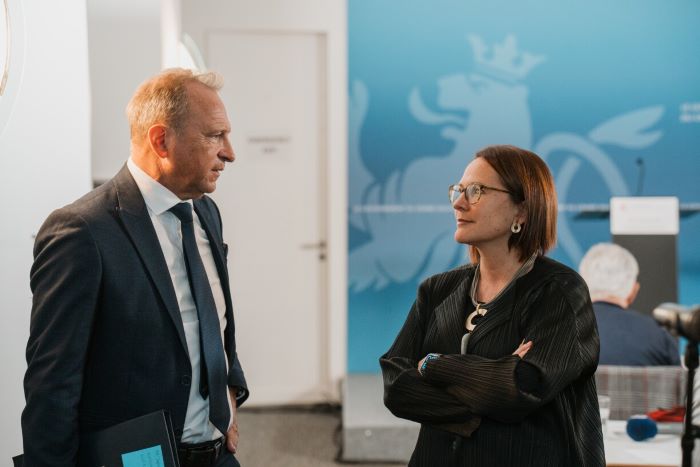
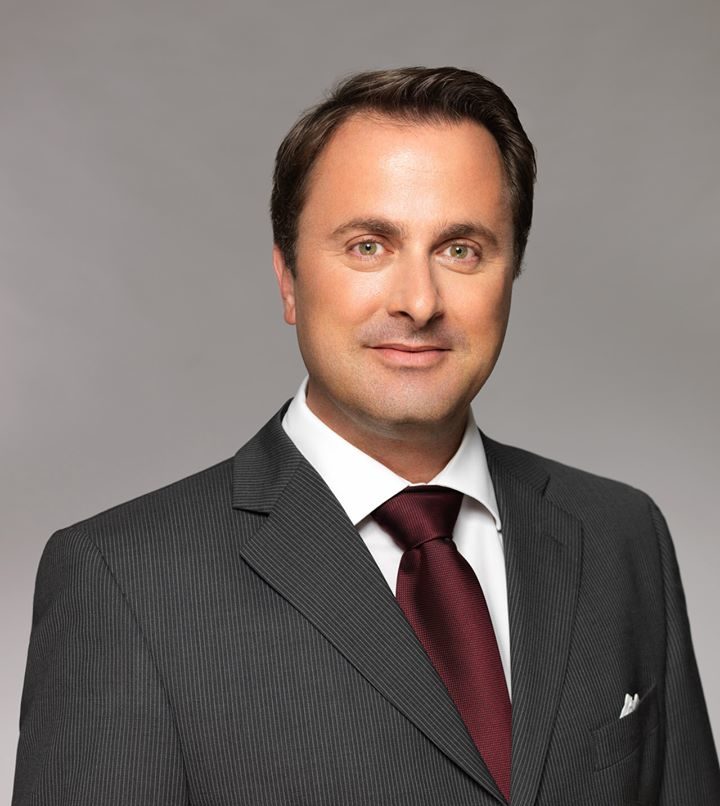
Photo – Xavier Bettel – Luxembourg’s Deputy Prime Minister, minister for Foreign Affairs/Foreign Trade and Development Cooperation and Humanitarian Affairs