



Luxembourg Steps Up Global Health Aid – Focus on Africa
Spain and Luxembourg have pledged new funds to the Global Fund to Fight AIDS, Tuberculosis and Malaria, underscoring their commitment to ending these deadly diseases and reinforcing fragile health systems. At the Fourth International Conference on Financing for Development in Seville, Spain announced it would contribute €145 million, while Luxembourg committed €13.8 million to the Fund’s Eighth Replenishment covering 2027–2029. Both pledges mark increases on their previous commitments.
These fresh pledges form part of a broader international effort to shore up health security, support locally led responses, and build resilient community-based health systems. The Global Fund has long been at the center of this fight, mobilizing resources to drive down death rates and strengthen public health infrastructure, especially in low- and middle-income countries.
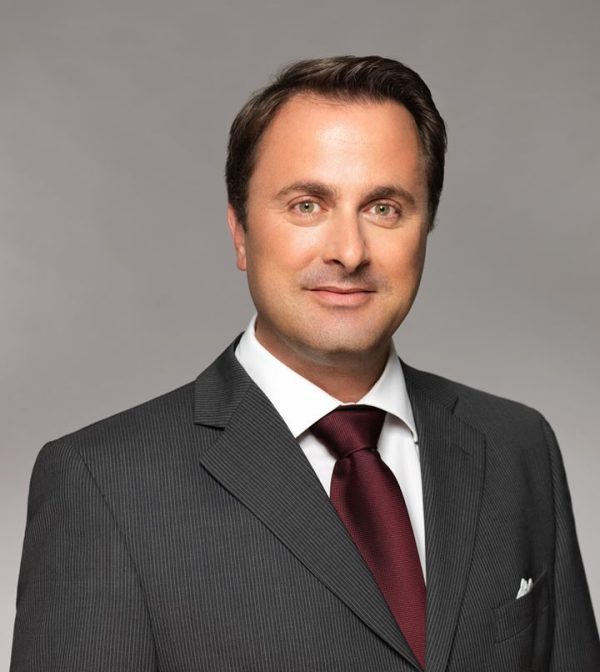
Luxembourg’s deputy prime minister and minister for development cooperation, Xavier Bettel, said the renewed support highlights Luxembourg’s determination to remove human rights and gender-related obstacles that often keep the most vulnerable from accessing care. Bettel emphasized that the country remains committed to fighting communicable diseases and ensuring equitable access to quality health services.
While Luxembourg is a small country, it has consistently punched above its weight in development cooperation, particularly in Africa. Over the past decade, Luxembourg has allocated around 1% of its Gross National Income to official development assistance, far exceeding the UN’s 0.7% target. Much of this aid has been directed to African countries through bilateral projects, multilateral contributions like those to the Global Fund, and targeted partnerships in sectors such as health, education and good governance.
Luxembourg’s direct cooperation focuses heavily on Burkina Faso, Mali, Niger, Cabo Verde, and Senegal. In these countries, Luxembourg funds programs aimed at improving maternal and child health, expanding access to primary care, and training local health workers. The Luxembourg Agency for Development Cooperation (LuxDev) is the key governmental body implementing these efforts on the ground, often working hand-in-hand with local authorities and civil society groups. The Ministry of Foreign and European Affairs oversees strategic planning, while NGOs such as Handicap International Luxembourg and Caritas Luxembourg also play vital roles by running community outreach, awareness campaigns, and providing logistical support.
Evaluating whether this assistance meets its goals is a rigorous process. LuxDev uses a results-based management framework that tracks specific indicators like vaccination rates, reductions in maternal mortality, and school enrollment figures tied to health awareness. Periodic external audits and independent evaluations by consulting firms or multilateral organizations help verify the outcomes. In addition, Luxembourg’s Court of Auditors reviews spending to ensure funds are used efficiently.
Despite robust monitoring, not all initiatives meet their targets. According to evaluation summaries published by LuxDev, about 15-20% of health-related projects in African partner countries between 2015 and 2022 underperformed on key indicators such as reductions in preventable deaths or improvements in sustained local capacity. Causes range from security challenges in regions like Mali and Niger, to local administrative hurdles, shortages of qualified health workers, or even sudden shifts in national priorities that disrupt ongoing partnerships. Still, these figures compare favorably with global aid averages, where some studies put the outright failure rate of development projects at roughly 30%.
For Luxembourg, contributions to the Global Fund represent a different, yet complementary, path to advancing health goals in Africa. Through this mechanism, Luxembourg’s support reaches over 100 countries. The Global Fund estimates it has helped save 65 million lives and cut combined death rates from AIDS, TB and malaria by 63% over the last two decades. In many African nations, Global Fund-backed programs provide the backbone of national disease control efforts, financing antiretroviral therapy for HIV, widespread distribution of insecticide-treated bed nets to fight malaria, and community testing for tuberculosis.
The effectiveness of Global Fund investments is assessed through a rigorous, multi-tiered system. Local program implementers report detailed progress data, which is verified by independent Local Fund Agents in each country. Additionally, the Fund’s Office of the Inspector General conducts audits and investigations. Evaluations are often published, offering transparency on where programs succeed or fall short.
Luxembourg’s increasing contributions also reflect a strategic alignment with European efforts to promote stability by reducing health inequities that can fuel broader social and economic crises. By investing in disease control and stronger health systems, Luxembourg indirectly supports education and workforce participation in partner countries, creating conditions that can help curb irregular migration — a key concern across Europe.
Peter Sands, executive director of the Global Fund, hailed the new pledges by Spain and Luxembourg as critical for maintaining hard-won gains against these epidemics. He said such leadership signals that global health remains both a shared responsibility and a high priority. The Fund’s Eighth Replenishment drive, co-hosted by the UK and South Africa, aims to mobilize enough resources to further cut mortality from AIDS, TB and malaria by nearly two-thirds compared to 2023 levels, while also strengthening preparedness for future pandemics.
As climate change, conflict and economic pressures threaten fragile health systems across Africa, Luxembourg’s growing support for both direct partnerships and global financing instruments stands out. The country may be small, but through its targeted investments and insistence on accountability, it continues to play a significant role in global efforts to build healthier, more resilient communities.
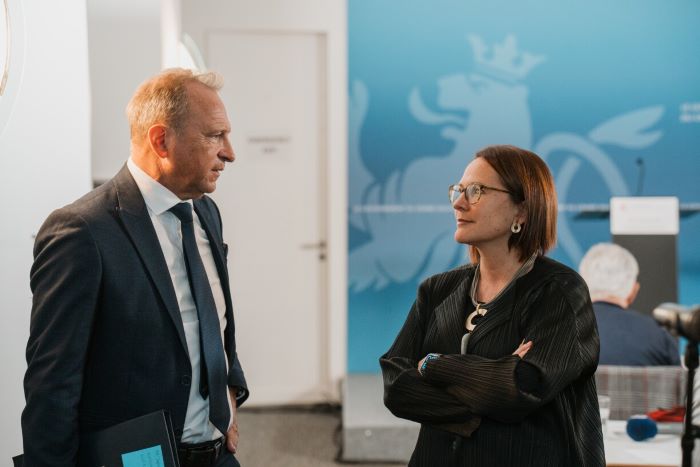
Photo – Xavier Bettel – Minister for Development Cooperation and Humanitarian Affairs