




EU’s Growing Unease Over Trump’s Tariff Terms
The European Union is facing growing internal unease over the recently concluded
EU–US tariff deal, with critics warning that the agreement disproportionately favours the
United States and undermines Europe’s long-term economic and strategic interests.
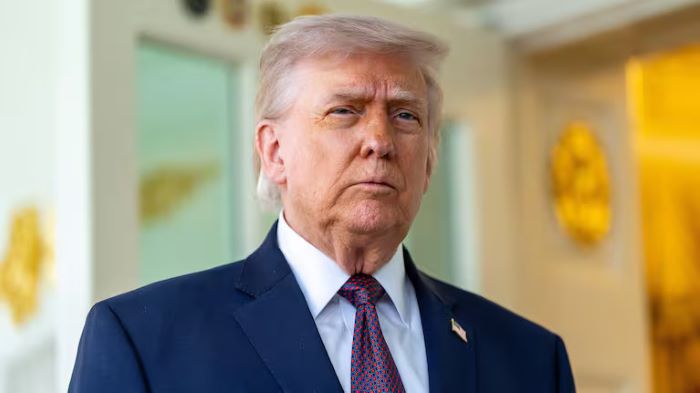
The deal, announced last week after a meeting between European Commission
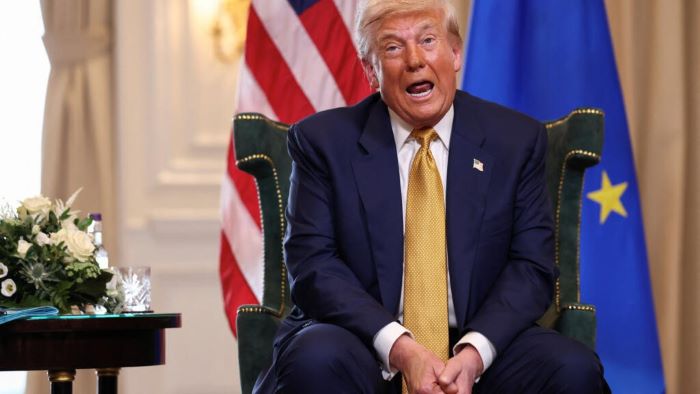
President Ursula von der Leyen and former US President Donald Trump at his
Turnberry estate in Scotland, commits the EU to increased purchases of American
goods and investments, while allowing the US to impose a 15% tariff on the bulk of EU
exports.
The agreement, framed as a compromise to avoid a threatened 30% blanket tariff on
European goods, affects nearly 70% of EU exports to the US – valued at over €380
billion annually. In exchange, the EU has pledged to buy $750 billion worth of US
energy and invest a further $600 billion in the American economy over the next five
years. The commitments, however, are largely non-binding.
European capitals are divided over the pact. French Prime Minister François Bayrou
described it as a “dark day” for Europe, arguing that Brussels had bowed to pressure
from Washington. “We are handing over our trade leverage without any guarantees,” he
said in a statement.
German officials have expressed concern over the lack of legal enforceability and clarity
in the EU’s side of the deal, particularly regarding energy and defence procurement.
“These are vague promises without concrete reciprocity,” one senior official told Der
Spiegel.
Trade experts say the deal reflects a broader shift in transatlantic relations, with Europe
increasingly seen as the junior partner. Some have compared the deal to the postwar
impositions once placed on weaker states, warning that it sets a precedent for future
negotiations.
The European Commission has defended the agreement as a pragmatic step to
preserve access to US markets and maintain transatlantic unity amid geopolitical
tensions, particularly regarding Russia’s war in Ukraine. However, critics warn that
Europe’s growing economic dependence on the US could come at the cost of its long-
cherished goal of strategic autonomy.