






Luxembourg Measured Fight Against Drug Abuse Showing Promise, but…
Luxembourg is confronting a complex drug landscape as cannabis remains the
country’s most widely used substance and cocaine has now overtaken heroin among
high-risk users, prompting a mix of public health initiatives and tougher policing.
A national survey published this year found that 14.6% of adults used cannabis in the
past 12 months, while almost one in three young people aged 15–34 have tried it at
least once. Since home cultivation was partially legalised in 2023, more than one in ten
cannabis users reported growing their own supply. Luxembourg City shows some of the
highest concentrations of cocaine in Europe, while weekend spikes in MDMA
consumption suggest an entrenched party-scene culture.
Polydrug use is now commonplace, with more than 80% of respondents in a recent
study admitting to combining substances, often in nightlife settings. While heroin
remains in circulation, cocaine has become the drug of choice for many of the country’s
most vulnerable users. Experts warn this shift carries serious risks, from heart
complications to greater dependence, even though fatal overdoses in Luxembourg
remain relatively rare. Nine deaths were recorded in 2023, a rate below the European
average.
Authorities attribute part of this stability to long-standing harm-reduction measures.
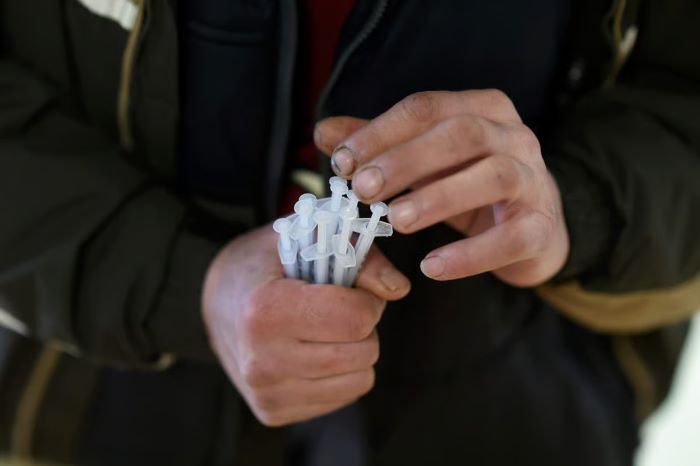
Since the early 2000s, services have encouraged users to smoke rather than inject,
helping reduce the spread of HIV and hepatitis. Supervised consumption facilities such
as Abrigado in the capital, alongside substitution programs, have become
cornerstones of the country’s public health approach.
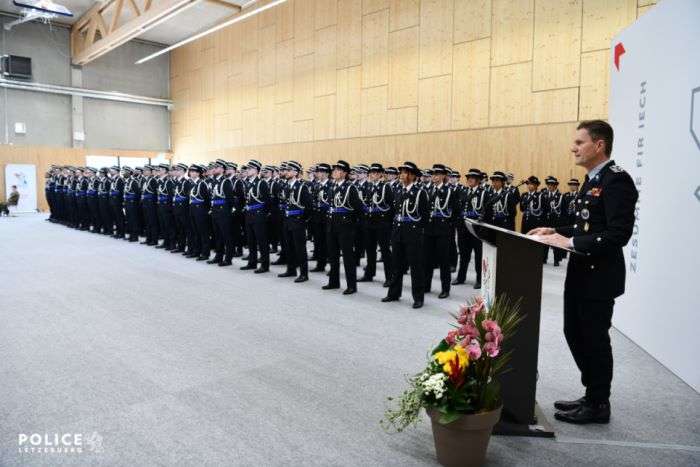
But signs of strain are growing. Police reported a 37% rise in drug-trafficking cases in
early 2025, with more than 200 arrests and thousands of patrols deployed in districts
affected by street dealing. In response, the government unveiled “Drogendësch 2.0”, a
sweeping 60-point strategy combining tougher policing with an expansion of prevention,
treatment and reintegration services.
Officials say the plan reflects Luxembourg’s need for balance, dismantling trafficking
networks while also addressing social causes of drug misuse. Prevention campaigns
targeting young people, decentralised harm-reduction services outside the capital, and
improved coordination between police and health providers are all part of the blueprint.
With synthetic opioids and new psychoactive substances beginning to appear on
Europe’s drug market, Luxembourg, faces the challenge of adapting quickly to shifting
trends. For now, the duchy is holding the line. But experts caution that without sustained
investment in prevention and treatment, the rising tide of cocaine and polydrug use
could tip Luxembourg into a deeper public health crisis.