


Cheap Food, Silent Fields – Luxembourg’s Farmers at Breaking Point
Luxembourg’s farmers are staring into an uncertain future. A bumper harvest has
brought not reward but despair, as falling prices, rising costs and the grip of
supermarket chains leave many family farms on the edge of collapse.
“We’re producing more than ever, yet we earn less,” said Marc Fisch, a grain farmer
from Gutland. “Supermarkets dictate what we get, and it barely covers expenses.”
Consumers, meanwhile, are shielded. Local chains such as Cactus, together with cross-
border giants Aldi, Lidl and Carrefour, compete to drive down prices. Shoppers enjoy
cheaper milk, bread and fruit. But critics warn that this race to the bottom carries hidden
costs: the erosion of Luxembourg’s food security, biodiversity and rural life, and growing
reliance on imports vulnerable to global shocks.
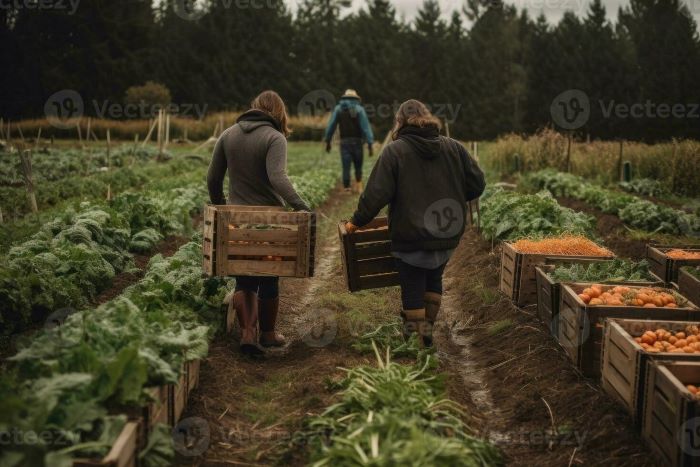
The sector is already fragile. Fewer than 2% of Luxembourgers work in farming, though
nearly half the country’s land is cultivated or grazed. EU subsidies under the Common
Agricultural Policy (CAP) pump more than €40m a year into the system, but the safety
net is fraying. Farmers complain they are being squeezed between the EU Green Deal’s
environmental rules – which restrict fertiliser and pesticide use – and market forces that
reward scale and volume over sustainability.
The influx of tariff-free Ukrainian grain, designed to support Kyiv during the war, has
depressed prices across the continent. French and Polish farmers have staged fiery
protests, denouncing “unfair competition.” Luxembourg’s smallholders, lacking
economies of scale, are especially exposed.
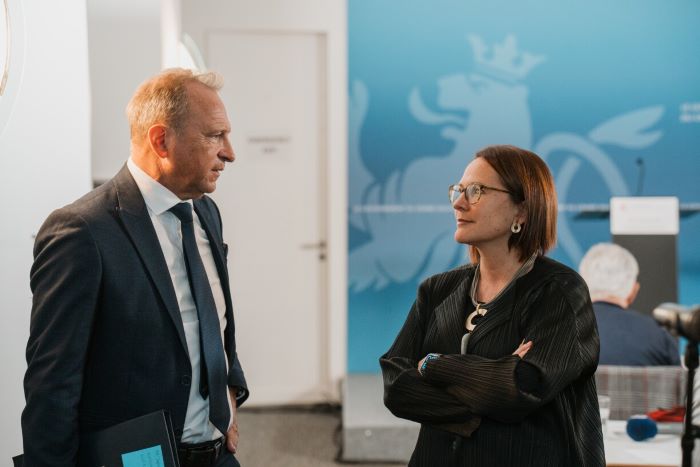
Agriculture minister Martine Hansen has pledged to fight for fairer pricing in Brussels.
But many say the EU faces a deeper reckoning: whether a policy built to stabilise
postwar Europe can survive the pressures of climate change, globalisation and
supermarket power.
For economists, the warning is stark. “Cheap food now may mean no local food later,”
said one. “Once farms disappear, recovery is almost impossible.”
For Fisch, the calculation is simpler: “We don’t ask for handouts. We just want to be
paid fairly. Without that, the fields go silent. And then everybody loses.”