








STEC: The Deadly E. coli Variant Haunting Belgian Care Homes
The news that eight people have died in Belgium after contracting Shiga toxin-producing
Escherichia coli (STEC) has sent shock-waves through the country’s health system.
While outbreaks of food-borne illness are not uncommon, the scale of this one, spanning
multiple care homes and leaving dozens still ill, has raised urgent questions about how
the bacterium spreads, who is most vulnerable, and why tracing its source has proved
so difficult.
At the centre of the crisis is STEC, a particularly virulent strain of E. coli. Unlike the
benign types that naturally inhabit the human gut, STEC produces powerful toxins that
can attack the lining of blood vessels. Infection often begins with abdominal cramps,
fever and diarrhea, but in severe cases can escalate into bloody stools, kidney failure,
and a life-threatening condition known as haemolytic uraemic syndrome (HUS).
Children under five and older adults, particularly those already in fragile health, are at
the highest risk of complications.
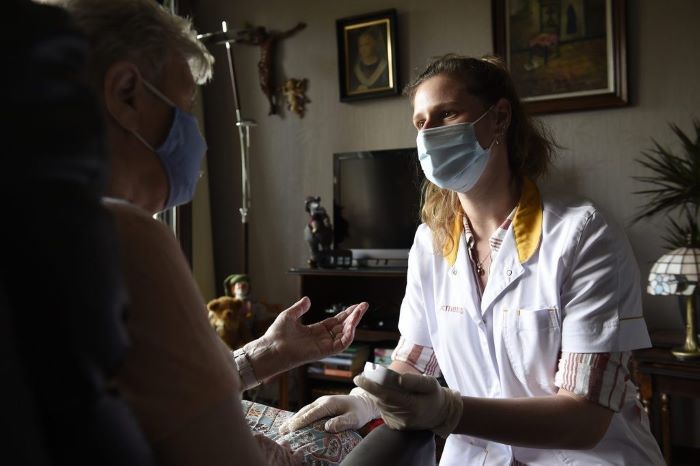
The Belgian outbreak has concentrated in care homes, where age, underlying illness
and communal living combine to amplify both vulnerability and transmission. Seven of
the deaths were recorded in Flanders, and one in Wallonia, with authorities warning that
some of the more recent cases may no longer be linked to contaminated food, but to
person-to-person spread within facilities. That possibility underlines how insidious the
bacterium can be – once inside a community, it does not necessarily require fresh
exposure to contaminated produce or meat to continue infecting new hosts.
For investigators, the task of pinning down the origin is proving complex. Food safety
officials believe contaminated ingredients, distributed to several care homes weeks
earlier, may have been the trigger. Yet by the time patients fell seriously ill, those
supplies had long since disappeared from shelves, making sampling and tracing an
exercise in educated guesswork. Testing has so far revealed that many of the Flemish
cases involve the O157 strain, the most notorious STEC variant, and one linked to
deadly outbreaks across Europe and North America.
Treatment options are limited. No antibiotic can reliably halt STEC In fact,
certain drugs can worsen the illness by provoking even greater toxin release. Instead,
care focuses on managing dehydration, supporting kidney function, and close
monitoring to prevent complications. In the most severe cases, patients may require
dialysis. Prevention, therefore, remains paramount – rigorous food hygiene, strict
handwashing, and swift isolation of suspected cases in institutional settings are
considered the front-line of defense.
For Belgium, the tragedy is also a sobering reminder of how food-borne pathogens
continue to test even the most advanced public health systems. As climate change,
globalised supply chains, and ageing populations intersect, the conditions for outbreaks
may only grow more favorable. And while the victims of this outbreak are elderly, the
threat posed by STEC – silent, microscopic, and devastating – remains universal.
Photo – Credit: Belga/ Philip Reynaers