






Can Europe’s Carmakers Survive China’s Electric Onslaught?
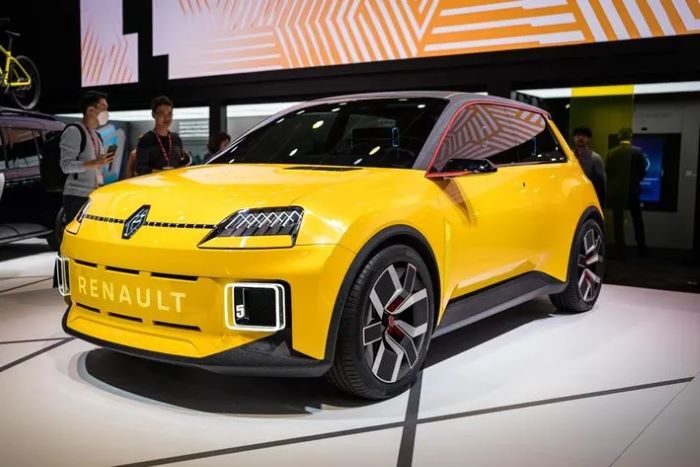
The gleaming stands at the Munich auto show told a story that extends far beyond car
design. When Chinese electric vehicle (EV) manufacturers such as BYD, XPENG, and
Nio rolled out their new models, they were not simply competing for buyers, they were
signalling a profound shift in global economic power.
China is no longer just a player in the European car market. It is positioning itself as the
dominant force in the next chapter of mobility. In July, almost 10% of EVs and hybrids
sold in Europe were Chinese-built, alongside more than 5% of all cars. What seemed
unthinkable a decade ago – Chinese brands winning over European drivers in their own
backyard, is fast becoming reality.
Behind the surge is a combination of industrial strategy and global economics. For
years, Beijing has poured billions into subsidies for battery research, EV production, and
supply chains. The result is a formidable edge in cost and scale. Chinese firms now
control much of the global battery industry, enabling them to deliver cars with longer
ranges and faster charging at lower prices. With Europe grappling with inflation and
households tightening belts, affordability matters.
For Europe’s automakers, the timing could not be worse. Sales in China, once their
golden market, are dwindling as Chinese consumers flock to homegrown brands. In the
US, tariffs loom, threatening exports. At home, Brussels’ ban on new petrol and diesel
cars by 2035, dismissed by BMW’s CEO as a “big mistake”, forces a costly pivot to
electrification. Europe’s great carmakers find themselves under siege, forced to
innovate at speed while watching rivals seize their market share.
The implications stretch far beyond the showroom. The automotive sector employs 14
million people in Europe and generates almost 7% of the EU’s GDP. If factories close
and suppliers collapse under the weight of Chinese competition, entire communities
could be hollowed out. Politically, such losses could fuel populist anger at a time when
Europe is already strained by energy costs, war in Ukraine, and economic stagnation.
Geopolitically, China’s rise in Europe’s car market raises deeper questions.
Dependence on Chinese batteries and EVs could echo the continent’s past reliance on
Russian energy, leaving Europe vulnerable to external leverage. Brussels has launched
an investigation into Chinese EV subsidies, but it may already be too late to slow the
tide.
Should Europeans be worried? The answer is yes. Unless Europe accelerates
investment in green technology, protects critical supply chains, and rethinks its
regulatory path, Munich 2023 could be remembered not just as an auto show, but as a
turning point – the moment China began to drive Europe’s economic future.