








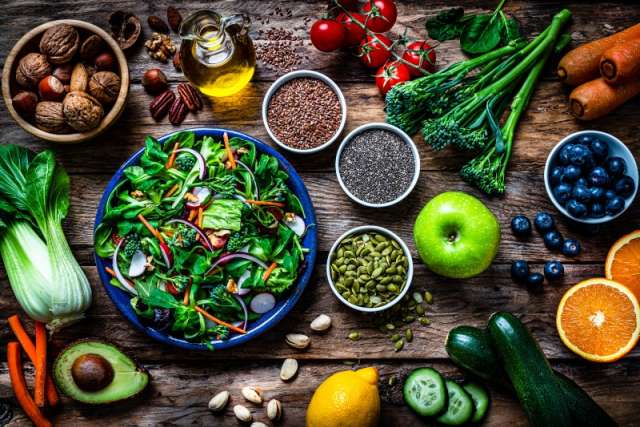
Superfoods – Health Revolution or Clever Marketing?
The global appetite for so-called superfoods is showing no sign of slowing. The
superfood ingredients market is projected to surge to $338.6bn by 2033, fueled by
consumers seeking nutrient-dense, functional foods and the rapid rise of plant-based
eating. But what exactly qualifies as a superfood, and is this trend a genuine solution to
modern health concerns or simply an industry buzzword?
Superfoods are not a formal scientific category but a marketing term for foods naturally
rich in vitamins, minerals, antioxidants and other compounds believed to boost
well being. Blueberries, kale, chia seeds, quinoa, turmeric, and spirulina are among the
best known, often promoted for their role in reducing inflammation, supporting immunity
and improving heart and brain health.
Their meteoric success is tied to shifting consumer priorities. Rising rates of obesity,
diabetes and cardiovascular disease have created a market hungry for prevention as
much as cure. The Covid-19 pandemic accelerated this focus on immunity and
resilience, while climate concerns are nudging people towards plant-based diets, where
superfoods often feature prominently. The rise of wellness culture on social media,
where influencers regularly extol the virtues of acai bowls or matcha lattes, has also
played its part in cementing their place in everyday diets.
The US and Europe dominate the superfoods market, led by the UK, Germany, and
France, where health-conscious consumers are driving supermarket and restaurant
demand. The Asia-Pacific region is rapidly catching up, with China and India leveraging
both traditional dietary practices and a growing middle class eager for functional foods.
South America, home to native superfoods like quinoa and acai, has also emerged as
both a supplier and a growing consumer base.
Critics, however, argue that the concept is as much marketing as medicine. While many
superfoods are undeniably healthy, dieticians warn against placing too much emphasis
on a handful of ingredients at the expense of a balanced diet. There are also concerns
over sustainability, with booming demand for crops like quinoa once displacing local
communities in Peru and Bolivia.
Whether fad or fixture, the superfood trend reflects deeper anxieties about health and
lifestyle. For many, sprinkling chia seeds over breakfast or drinking a turmeric latte
offers both reassurance and ritual in an age of fast food and rising chronic illness. If the
market projections are correct, superfoods are not just a passing craze but a reflection
of how people around the world are trying to eat their way to a healthier, longer life.