



A Quiet but Profound Hand-Over of Power in Luxembourg Heralds New Challenges
Luxembourg has entered a new era with the abdication of Grand Duke Henri and the
enthronement of his son, Guillaume, marking a rare but seamless royal transition in one
of Europe’s oldest monarchies.
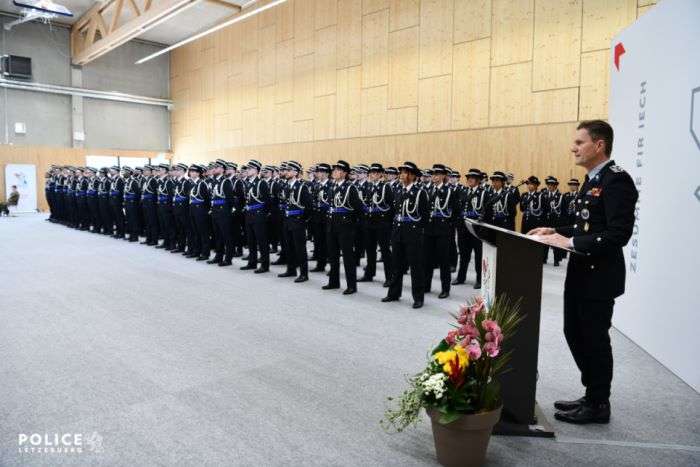
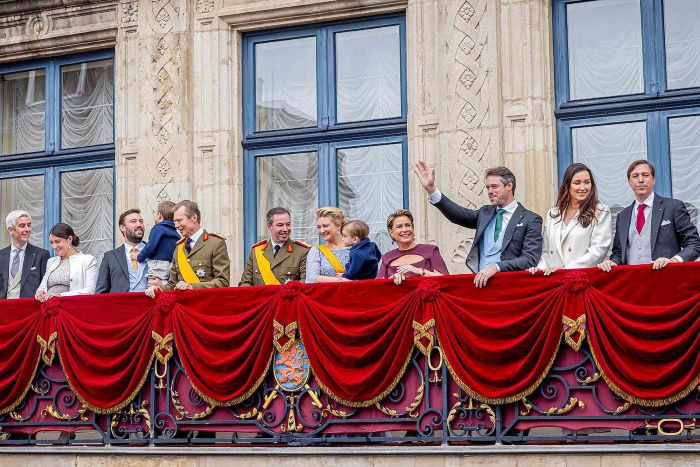
The formal ceremony on 3 October 2025, attended by European royalty, dignitaries, and
cheering citizens, signaled the end of Henri’s 25-year reign and the beginning of
Guillaume’s stewardship. The changeover had been carefully planned, with Guillaume
serving as Lieutenant-Representative since October 2024 to ensure a smooth hand-
over. The event, steeped in tradition, drew crowds into the streets of Luxembourg City,
where the atmosphere was one of unity, pride, and cautious optimism.
Grand Duke Henri’s legacy is one of quiet modernisation. During his reign, the
monarchy evolved into a more symbolic and transparent institution, aligning itself with
contemporary European values. His refusal in 2008 to sanction a euthanasia bill on
grounds of conscience led to a constitutional reform that removed the sovereign’s power
to block legislation – a landmark moment that clarified the limits of royal authority.
Henri’s tenure also oversaw sweeping social progress. Luxembourg legalised same-sex
marriage, strengthened gender equality in the line of succession, and reinforced the
country’s reputation as a liberal democracy. Economically, his reign coincided with
Luxembourg’s rise as a global financial hub, navigating the challenges of the 2008
global crisis with minimal disruption. Though his role was largely ceremonial, Henri’s
consistency and discretion helped sustain the monarchy’s credibility in a politically
stable nation that values continuity as much as change.
Now, attention turns to Grand Duke Guillaume, who represents a generational shift for
the Grand Duchy. Educated in Europe and the UK, and fluent in several languages, he
is viewed as approachable and forward-thinking, a modern royal poised to engage more
directly with citizens. While his constitutional role remains largely ceremonial, there are
expectations that he will champion social inclusion, environmental sustainability, and
youth engagement, themes he has already emphasised in public speeches.
Political observers expect the new Grand Duke to maintain the monarchy’s non-partisan
stance while bringing a fresh tone of openness. In his first address, Guillaume pledged
to be a monarch “between generations, between tradition and innovation,” a line that
struck a chord with Luxembourgers eager for renewal without rupture.
For a country often defined by quiet prosperity, the excitement surrounding the transition
has been notable. The abdication represents not only the closing of a chapter but the
reaffirmation of Luxembourg’s identity as a modern European democracy rooted in
stability and respect for tradition. In a continent grappling with political uncertainty and
social division, the peaceful transfer of power has been embraced as a symbol of
continuity and calm.
While no dramatic reforms are expected, Guillaume’s challenge will be to sustain the
monarchy’s relevance in an era of transparency and digital engagement. Any perception
of detachment could test public goodwill, but for now, the Grand Duke enjoys broad
support, buoyed by a sense of shared optimism.
As Luxembourg celebrates this transition, it is clear that the monarchy’s strength lies not
in power but in presence. Grand Duke Henri leaves behind a respected legacy of
restraint and modernisation; Grand Duke Guillaume steps into the role with the promise
of renewal and connection.
In a world where many monarchies struggle to justify their existence, Luxembourg’s
quiet hand-over has shown that dignity, adaptability, and public trust remain the crown’s
strongest jewels.