




Belgium’s New ‘TRUMP’ Party: Borrowed Bravado or Blueprint for Populist Power?
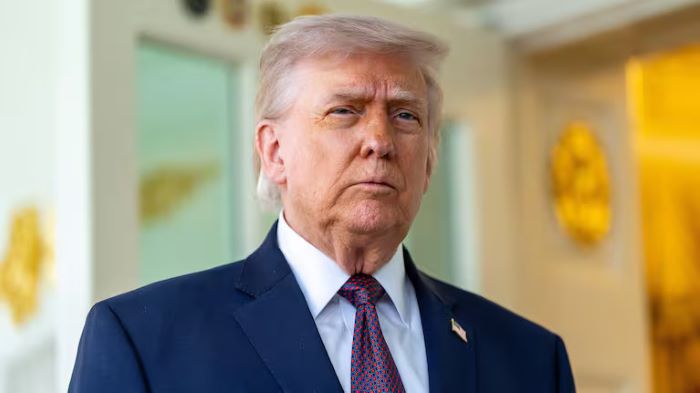
In a move that has startled Europe’s political watchers, a new far-right party in Belgium has chosen to name itself “TRUMP” – a nod to U.S. president whose polarizing brand of politics reshaped American conservatism and sparked global populist movements. But in a country known for quiet diplomacy and coalition politics, the decision raises an obvious question – why would anyone in Belgium want to associate with Donald Trump?
For the party’s founder, the name isn’t simply homage – it is strategy. It’s an attempt to bottle the political lightning that Trump has unleashed – nationalism cloaked in populist defiance, anti-establishment sentiment wrapped in plainspoken outrage, and a promise to “shake up the system” by breaking the polite conventions of European politics. The party has described its mission as a crusade against what it calls “elitist hypocrisy” in Brussels and the “bureaucratic stranglehold” of the European Union.
But beyond the bravado, the move is also a marketing gamble. The Trump name, while notorious, remains one of the most recognizable brands in global politics, instantly conveying rebellion, disruption, and controversy. For a fringe group seeking visibility in Belgium’s crowded political landscape, it’s a shortcut to instant name recognition, even if it means courting ridicule.
Still, the shadow of Trump himself looms large. The U.S. president’s reputation abroad remains deeply divisive, linked to misinformation, isolationism, and zero tolerance for illegal immigrants, events that have left much of Europe wary of his brand of politics. To many Belgians, adopting his name might appear less like courage and more like provocation. “If you want to make noise, pick the loudest symbol,” said one political analyst in Brussels. “But noise doesn’t always translate into votes.”
Belgium’s far-right space is already dominated by established players like Vlaams Belang, whose nationalist message resonates more directly with local issues such as immigration and Flemish identity. For the TRUMP party to gain real traction, it will need more than borrowed slogans and shock value. It must find a uniquely Belgian message – one that speaks to voters’ frustrations without merely echoing a foreign populist playbook.
At best, the TRUMP party could briefly catch the attention of disillusioned voters seeking novelty in a political system perceived as stale. At worst, it could fade as quickly as it appeared, another protest movement lost to the churn of populist experiments across Europe.
Whether this bold naming choice represents a genuine political awakening or the fantasy of a man enamored with American spectacle remains to be seen. For now, Belgium’s “TRUMP” is more headline than heavyweight – a reminder that in politics, imitation may grab attention, but authenticity wins endurance.