


Fridman Names Arbitrator in €14bn Case Against Luxembourg
Mikhail Fridman’s long-signalled legal action against Luxembourg has advanced sharply, after the sanctioned Russian billionaire formally named his arbitrator in a €14 billion investment-treaty claim challenging the country’s decision to freeze his assets. The move transforms what had appeared to be a distant threat into an active international dispute with major financial and political implications for the Grand Duchy.
Fridman filed the case under UNCITRAL arbitration rules, arguing that Luxembourg’s implementation of EU sanctions – imposed after Russia’s 2022 invasion of Ukraine – violated protections guaranteed under a 1989 bilateral investment treaty between Belgium, Luxembourg and the former Soviet Union. His lawyers claim that the freezing of his Luxembourg-based holdings amounts to expropriation.
The naming of Dr Hamid Gharavi as his appointed arbitrator marks a key procedural milestone, indicating that the tribunal is now being constituted. The remaining appointments, including Luxembourg’s nominee and the chair who will be jointly selected or appointed by an arbitral institution, are expected in the coming stages of the proceedings.
Luxembourg has maintained that it acted in line with EU-wide sanctions and has retained external counsel to defend the state. The government has not commented publicly on the tribunal’s composition but has confirmed that it is preparing a full jurisdictional and merits response.
The scale of the claim – roughly equivalent to Luxembourg’s annual health budget, has raised alarm among legal experts and policymakers across Europe. A ruling in Fridman’s favour could test the limits of investor-state dispute settlement and create a precedent for sanctioned individuals to seek compensation from EU member states.
The tribunal will first decide whether it has jurisdiction to hear the case, including whether the treaty invoked by Fridman still applies to assets linked to a sanctioned individual. If the panel accepts jurisdiction, it will then consider whether the asset freeze constituted a treaty breach and whether damages are owed.
European officials are watching closely. The arbitration touches on sensitive questions about the resilience of the EU sanctions regime and the ability of member states to enforce foreign-policy decisions without exposure to large-scale financial liability.
Fridman has challenged sanctions through various legal channels over the past two years, but the Luxembourg case is his most ambitious attempt to convert asset restrictions into a compensation claim. With the tribunal now taking shape, the dispute moves from political debate to legal adjudication – a shift that could shape future sanctions policy and the boundaries of treaty protection in Europe.
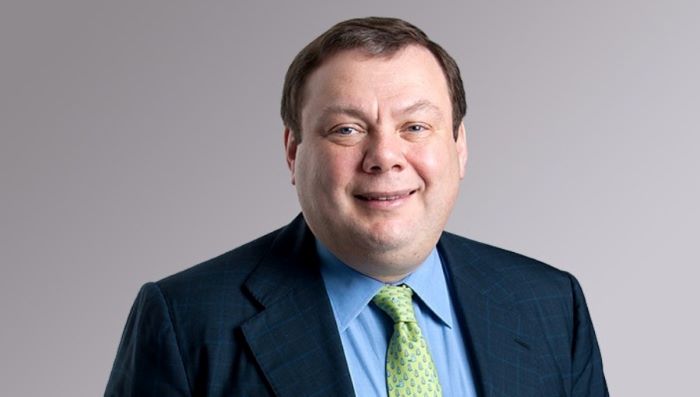
Photo – Mikhail Fridman (bne IntelliNews)