







Shingles Vaccine Linked to Lower Mortality in People Living With Dementia
New evidence presented at a leading Alzheimer’s conference suggests that a routine shingles vaccination may offer an unexpected layer of protection for people living with dementia, potentially lowering their risk of death. The findings, unveiled at the Clinical Trials on Alzheimer’s Disease (CTAD) annual meeting and published in the December issue of Cell, add to a small but growing body of research hinting at the broader health benefits conferred by certain vaccines in older adults.
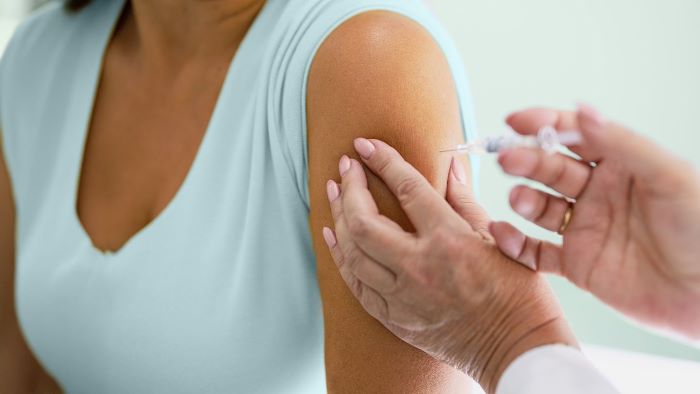
Researchers analysing large patient populations found that individuals diagnosed with dementia who had received vaccination against herpes zoster – the virus responsible for shingles – showed significantly lower mortality rates compared with their unvaccinated counterparts. While the study does not claim that the vaccine directly prevents dementia-related decline, the correlation is strong enough to raise fresh questions about how immune protection interacts with brain health and longevity.
Herpes zoster is a reactivation of the varicella-zoster virus, the same pathogen that causes chickenpox. In older adults, it can lead to severe nerve pain, inflammation and a cascade of health complications. For individuals already living with dementia, these complications often worsen cognitive symptoms, trigger hospitalisation and increase vulnerability to infections – factors that collectively influence mortality.
Scientists at CTAD said the data indicate that the herpes zoster vaccine may reduce some of these risks. A vaccinated immune system appears better equipped to fend off severe flare-ups, preventing the kind of physical decline that disproportionately harms people with cognitive impairments. The study population included diverse dementia diagnoses, from Alzheimer’s to vascular dementia, and the protective trend was observed across all groups.
Researchers emphasised that the findings should not be misconstrued as proof that the shingles vaccine alters the course of dementia itself. Instead, they propose that strengthening the immune system may help individuals cope better with the additional health burdens that accompany cognitive disorders. Vaccination may also indirectly limit inflammation, a biological process increasingly understood to play a role in neurodegenerative diseases.
The results arrive amid a broader scientific reassessment of how vaccines might influence long-term health outcomes beyond their immediate targets. Previous studies have suggested that flu shots, pneumonia vaccines and even some childhood immunisations are associated with lower risks of cognitive decline in later life. The mechanisms remain uncertain, but the emerging pattern is prompting researchers to explore whether vaccinations could form part of a wider public-health strategy to support ageing populations.
Clinicians caution that more research is needed before any definitive claims can be made. The study was observational, meaning it tracked existing health records rather than testing the vaccine in a controlled trial. Such studies are valuable for spotting trends but cannot prove causation, and the possibility of hidden factors – such as better overall healthcare access among vaccinated individuals – cannot be ruled out.
Nevertheless, the findings offer a note of optimism in a field often defined by slow progress and complex scientific hurdles. As dementia cases rise globally, with no cure yet available, even modest improvements in survival or quality of life carry weight. Public-health officials may look closely at whether boosting shingles vaccine uptake in older adults, particularly those already diagnosed with dementia – could serve as a practical, low-risk intervention with meaningful impact.
For families and caregivers, the message is simple: routine preventive care still matters profoundly, even after a dementia diagnosis. And for researchers, the results open another line of inquiry into how immune health and brain health may be more intertwined than once believed.