



Luxembourg–African Union: A Silent Mission
In the diplomatic corridors of African Union headquarters in Addis Ababa, representation is everything. Presence signals intent, and intent shapes influence. Yet for a country that prides itself on financial agility and international engagement, Luxembourg appears curiously absent where it claims to be present.
The Grand Duchy’s Permanent Representation to the African Union exists on paper and in official directories. It was established with the stated aim of strengthening ties with Africa and deepening diplomatic engagement with the continent’s central political body. Over a decade later, however, the office has come to symbolise something closer to inertia than initiative. Its digital footprint is minimal, its communication channels unreliable, and its public-facing activity almost non-existent. For observers, partners, and even those within diplomatic circles, the question is no longer what the mission intends to achieve. It is whether it is achieving anything at all.
The last visible signs of engagement trace back to intermittent ministerial visits, particularly those involving Jean Asselborn (Luxembourgish former politician who served in the government of Luxembourg as Minister for Foreign Affairs from 2004 until 2023). During such visits, statements are made reaffirming Luxembourg’s commitment to the African Union, and meetings are held with senior AU officials. These moments, while diplomatically necessary, occur too infrequently to sustain meaningful engagement. They create the impression of a relationship maintained through ceremony rather than strategy.
This silence matters. The African Union is not merely a symbolic body. It is a growing platform for continental coordination on trade, security, infrastructure, and governance. African states are increasingly acting through multilateral frameworks, shaping policies that affect external partners across sectors ranging from digital economy to energy transition. For a country like Luxembourg, whose economic model depends heavily on global connectivity and niche influence, disengagement from such a platform is not neutral. It is a missed opportunity.
The problem appears structural rather than incidental. A diplomatic mission without clear policy direction cannot function effectively. Without defined objectives, there is no basis for initiative. Without initiative, there is no visibility. The result is a feedback loop of irrelevance. Reports are scarce, public communication is absent, and there is little evidence of sustained interaction with African delegations accredited to the AU. In an era where even small states leverage targeted diplomacy to punch above their weight, this passivity is striking.
The consequences extend beyond optics. Luxembourg has interests in Africa, whether in development finance, sustainable investment, or emerging markets. These interests require articulation and advocacy. They require diplomats who understand both Luxembourg’s strategic priorities and the evolving dynamics of African politics and economics. A dormant mission cannot perform this function. It cannot anticipate policy shifts within the AU, nor can it position Luxembourg as a credible partner in continental initiatives.
Reform, therefore, is not optional. It begins with clarity. The government must define what it wants from its relationship with the African Union. Is it seeking economic partnerships, political alignment, or developmental collaboration? Each objective demands a different approach, but all require coherence. Once defined, these objectives must be translated into actionable mandates for the mission in Addis Ababa.
Equally important is capacity. Diplomatic presence is only as effective as the people who embody it. The mission requires professionals with regional expertise, policy literacy, and the ability to engage proactively with AU institutions and member states. This includes regular reporting, consistent communication, and visible participation in AU processes. In today’s diplomatic environment, silence is interpreted as absence.
Finally, transparency must be restored. A functioning digital platform, accessible information, and periodic updates are not luxuries. They are basic tools of modern diplomacy. Without them, the mission remains invisible to the very stakeholders it is meant to engage.
Luxembourg’s relationship with Africa does not have to be symbolic. It can be strategic, informed, and mutually beneficial. But that transformation will not occur through passive representation. It will require intent, investment, and a willingness to move beyond the comfort of nominal presence into the demands of active diplomacy.
By David Danisa
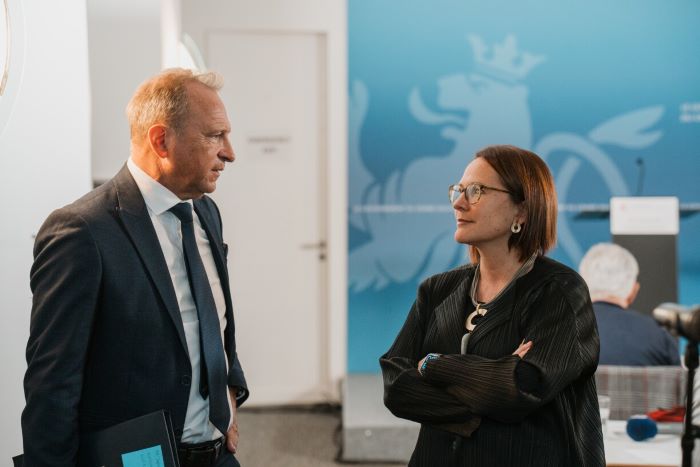
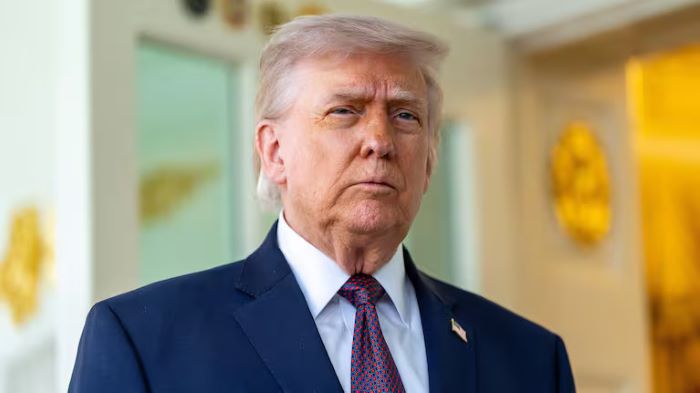
Photo – Xavier Bettel, Luxembourg’s Minister for Foreign and European Affairs, Cooperation, Foreign Trade and the Greater Region