






Luxembourg Health Workers Rally Against Government – Crippling Demonstration Planned
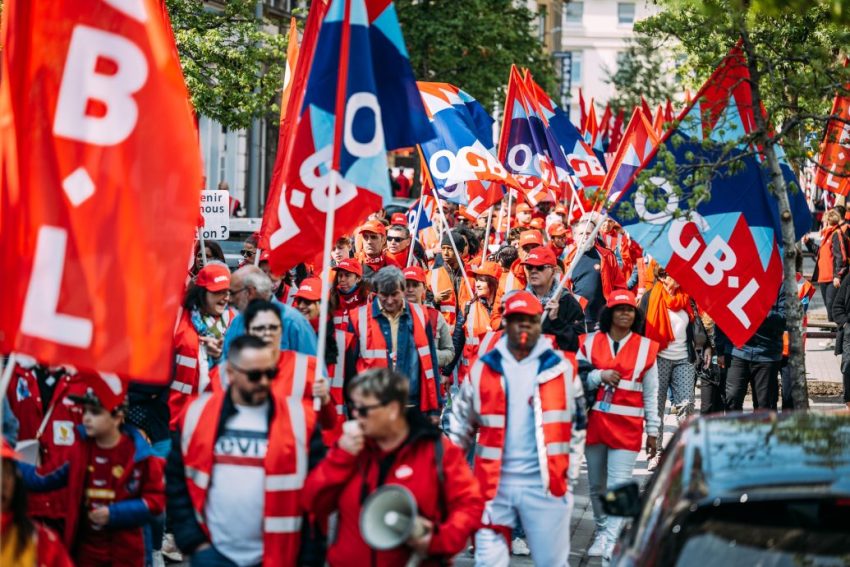
Luxembourg’s healthcare workers are mobilizing for a nationwide demonstration on 28 June, accusing the government of neglecting the sector and undermining workers’ rights. The protest, organized by the country’s two largest trade unions—the Independent Luxembourg Trade Union Confederation (OGBL) and the Luxembourg Confederation of Christian Trade Unions (LCGB)—comes amid growing frustration over staffing shortages, privatization fears, and potential cuts to social benefits.
The Build-Up to the Protest
Tensions have been escalating since Prime Minister Luc Frieden’s recent State of the Nation address failed to address healthcare investments, despite Europe-wide shortages of nurses and caregivers. Union leaders argue that the government is prioritizing market-driven reforms over workers’ welfare, risking the collapse of Luxembourg’s public healthcare model.
David Angel, an OGBL representative, criticized the omission of nursing sector funding in government priorities. “We cannot ignore the crisis in healthcare while pushing policies that erode hard-won labor protections,” he said. The unions have united against several government proposals, including pension reforms, relaxed Sunday work rules, the end of energy price caps, and potential reductions in National Health Fund (CNS) coverage.
Privatization Fears and the Battle Over Public Healthcare
A major concern is the increasing influence of private interests in Luxembourg’s healthcare system. The OGBL has warned against the rise of private mini-hospitals and clinics, such as the Cloche d’Or medical center, which lures doctors with promises of no night shifts—exacerbating staffing shortages in public hospitals. The liberal medical association AMMD has been accused of lobbying for policies that favor private operators, diverting public funds into profit-driven ventures.
The unions point to scandals involving foreign corporations like Orpea, a French care home operator notorious for rationing services and mistreating residents. Despite its controversial record, Orpea has reportedly been allowed to expand into Luxembourg’s care sector—a move critics say signals the government’s willingness to sacrifice quality for privatization.
Staffing Crisis and Worker Exploitation
Luxembourg’s healthcare system is grappling with severe understaffing, worsened by precarious employment conditions. Unions report an overreliance on part-time and temporary contracts, particularly in mobile care services, where workers face unstable schedules and low job security. The OGBL demands immediate action, including minimum staffing levels, better wages, and permanent contracts to retain skilled professionals.
Broader Social Unrest
The healthcare protests are part of a wider backlash against government policies threatening workers’ rights. Unions warn of an “authoritarian shift” as officials challenge collective bargaining agreements, impose stricter sick leave rules, and weaken labor protections. Meanwhile, soaring housing and energy costs have further strained household budgets, fueling public discontent.
What’s at Stake?
The 28 June demonstration could force the government to reconsider its healthcare and labor policies—but at a political cost. If ignored, Luxembourg risks a full-blown crisis in its public health system, with long-term consequences for patient care and social stability. Unions insist that only a firm commitment to public funding, fair wages, and worker protections can prevent further deterioration.
As healthcare workers prepare to take to the streets, the question remains: Will Luxembourg’s leaders listen, or will privatization and austerity deepen the crisis? The outcome of this showdown could reshape the country’s social model for years to come.