








Nationwide Body Camera for Luxembourg Police
From 1 July, every police officer in Luxembourg will wear a body camera as part of a
nationwide initiative to enhance transparency, accountability, and safety during law
enforcement operations.
The move follows years of discussion, dating back to 2016, about how to incorporate
body cameras into everyday policing. The current rollout was first proposed in 2022
under then-Minister for Defence and Security, Henri Kox. Now, under the leadership of
CSV Home Affairs Minister Léon Gloden, the policy is being implemented across the
country.
“You’re already being filmed with mobile phones – now it’s time to include the police
officer’s perspective,” stated the police union, welcoming the change.
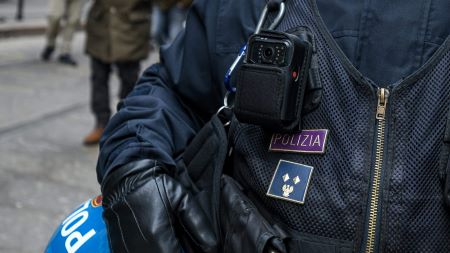
Each officer will wear a compact camera integrated into their daily uniform. The device
is manually activated during incidents, accompanied by an audible beep to signal that
recording has begun. Officers are also required to verbally inform individuals that they
are being filmed.
Minister Gloden emphasized that the measure is designed to protect both officers and
the public. “Police officers are increasingly facing situations where individuals refuse to
cooperate. This measure is about protecting the safety of officers and I want to stress
this, the safety of the public as well. It’s not about building a surveillance state,” he said.
“The awareness of being filmed alone can deter aggressive behaviour.”
To strengthen the integrity of recordings, the body cameras include a 30-second buffer
that captures footage before formal activation. When one officer activates their camera,
it automatically triggers nearby officers’ devices, allowing for a fuller, synchronized view
of the event.
Alain Engelhardt, Deputy Director General of the Luxembourg Police, said the response
from officers so far has been positive. The cameras, manufactured by Motorola, cost the Luxembourg government around €3.2 million over five years, including all related equipment. After use, officers dock the devices in special charging stations where footage is uploaded to a secure server in Germany. If not needed for an investigation, recordings are automatically deleted after
28 days.
Importantly, the cameras and their recordings cannot be tampered with, ensuring that
the footage remains a reliable and objective tool for investigations and legal
proceedings.
Implications for Law Enforcement and Public Trust – the nationwide deployment marks a significant shift in policing culture in Luxembourg. Advocates argue that body cameras can de-escalate confrontations, deter misconduct,and provide crucial evidence in disputes. However, the success of the rollout will depend on how transparently and fairly the footage is used.
By offering an additional layer of accountability, the new bodycam policy may not only
improve public trust but also give officers a greater sense of security in challenging
situations.