







TAZARA ROMANCE, ” Untold Magic of Africa’s Uhuru Railway”
By Yvan David Danisa
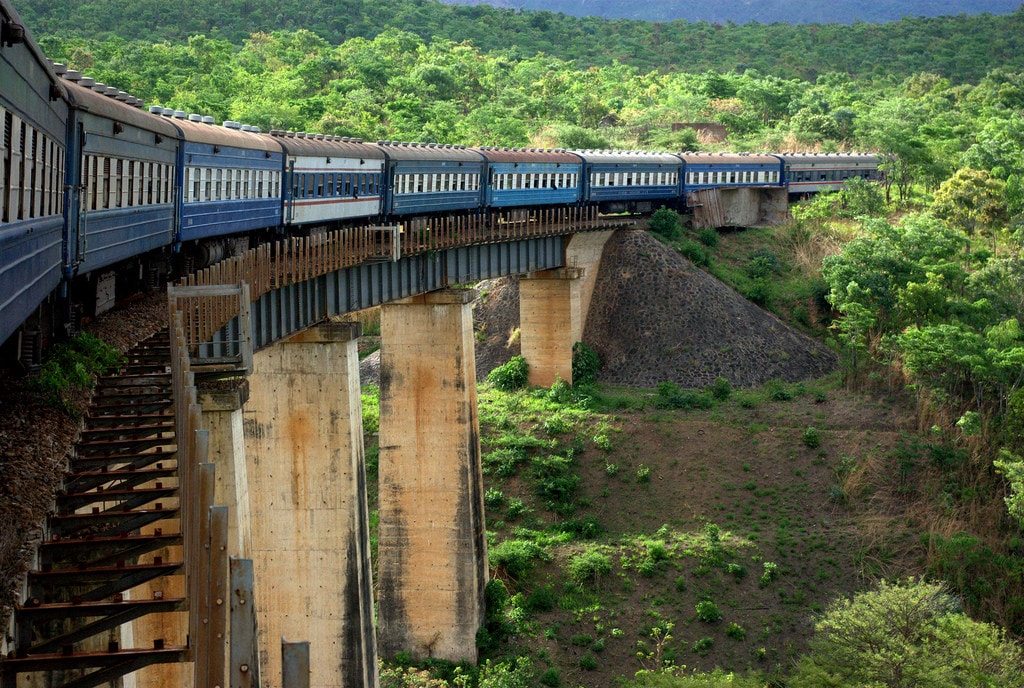
Step aboard a time capsule that defies both geography and history—a train ride so surreal, it feels like a film reel from a forgotten era. Stretching across 1,160 miles (1,870 kilometers) from the Tanzanian port city of Dar es Salaam to the copperbelt heartland of Kapiri Mposhi in Zambia, the Tanzania-Zambia Railway—fondly known as TAZARA or the Uhuru Railway—is more than just a mode of transport. It is a symbol. A triumph. A dream on rails.
But if you haven’t heard much about this engineering marvel—or considered it as your next bucket list journey—you’re not alone. That’s exactly what’s wrong, and it’s high time we changed that.
Steel, Sweat, and Socialist Dreams. Born from a bold political vision, TAZARA was one of Africa’s most ambitious post-colonial infrastructure projects. In the 1970s, thousands of Tanzanian and Zambian workers—fresh-faced and full of idealism—joined forces with over 50,000 Chinese workers to carve a railway across untamed African wilderness. This wasn’t merely about trade or transport. It was a defiant leap toward independence—economic, political, and ideological.
China stepped in where Western powers hesitated. While Canadian and British surveys deemed the railway feasible, funding never materialized. But after a visit to Beijing, Tanzania’s President Julius Nyerere found in Chairman Mao Tse Tung, the perfect ally and sponsor of the most iconic of Africa’s legacy rail transportion brand. By 1967, a tripartite agreement was inked, and China committed to building the railway and extending an interest-free loan, repayable over 30 years. The collaboration birthed not only a railway, but a rare transcontinental camaraderie between Africa and Asia.
The construction story reads like a saga. A dozen Chinese surveyors spent nine grueling months trekking from Dar es Salaam to Mbeya, plotting a path through forests, mountains, valleys, and swamps. Over 70,000 African workers toiled across vast savannahs and river gorges, braving scorching suns, torrential rains, and wildlife that could as easily become predator as postcard.
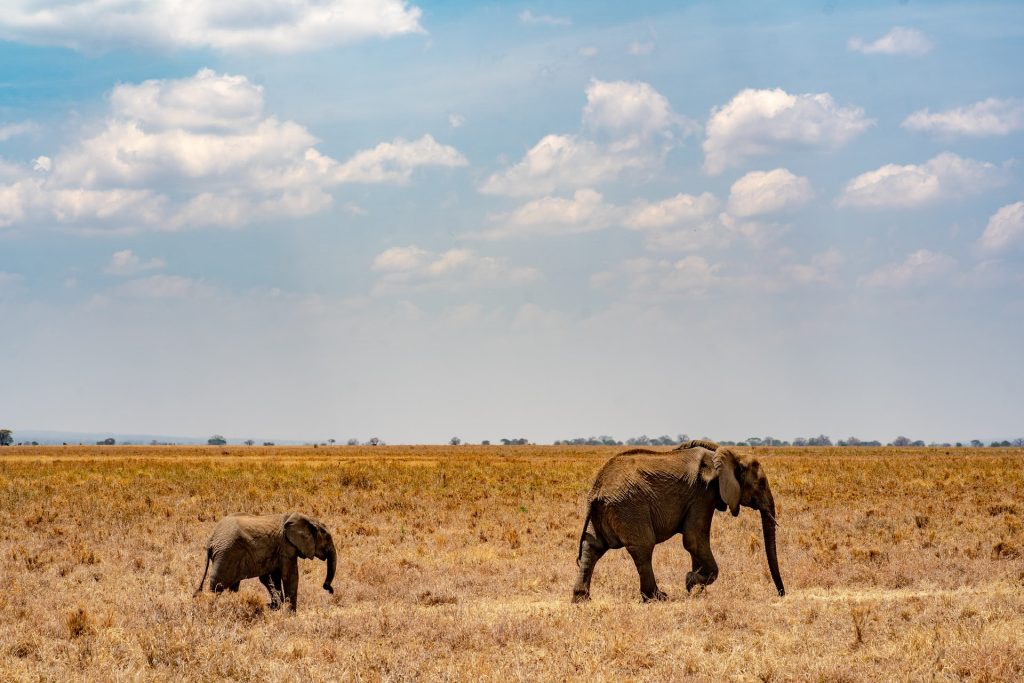
More than 1.5 million tonnes of supplies—rails, cement, dynamite, food, even basic necessities—were shipped from a China grappling with its own post-war shortages. The cost was dear: over 160 lives lost, including 64 Chinese nationals. Tales from survivors include living off water found in elephant footprints and enduring untreated injuries and illnesses.
Yet, miraculously, the railway opened ahead of schedule in 1975. It became an icon of resilience, South-South cooperation, and shared human will.
Fast forward nearly 50 years, and the Uhuru Railway remains operational—but just barely. Infrastructure degradation, outdated rolling stock, and lack of international promotion have left it limping along the edges of tourism relevance. And yet, paradoxically, this is exactly what makes it a hidden gem. It is a raw, unpolished adventure wrapped in nostalgia and untouched beauty.
The good news? Revival is on the horizon. A new agreement proposes a $1.4 billion investment by China Civil Engineering Construction Corporation (CCECC) to fully rehabilitate the railway. With 32 new locomotives, 762 wagons, and a 30-year concession plan, TAZARA could soon become the beating steel heart of East African tourism and trade once more.
The Ride of a Lifetime
So what’s it like to take the Uhuru Express?
In one word: spellbinding. The journey—roughly 46 hours from end to end—is a slow-burn romance between traveler and terrain. As the train departs Dar es Salaam, the dry, sun-baked plains gradually transform into forested highlands, then roll into Zambia’s lush bush country. One moment you’re skimming the edge of a lake dotted with buffalo; the next, you’re winding through mountain tunnels with giraffes stretching across the horizon.-
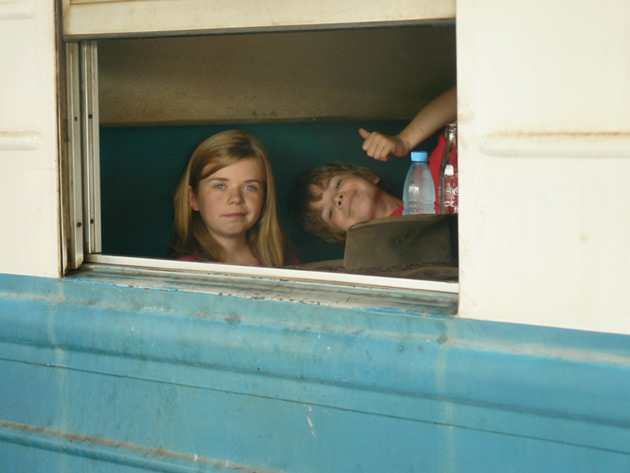
If your soul aches for a sense of place, if your heart beats to the rhythm of storytelling landscapes, this is the train for you.
Bring a blanket, a torch, a stack of those novels you’ve never gotten around to, and a curious travel partner. You won’t find luxury here—at least, not yet—but you’ll discover a different kind of indulgence: disconnection from the digital, and immersion in the elemental.
Border Crossings, SIM Swaps & Train Tales
Crossing from Zambia into Tanzania (or vice versa) is refreshingly relaxed. At Nakonde, money changers board to swap Zambian kwacha for Tanzanian shillings—and even sell you a local SIM card. No need to stress about visas either; they’re available on the train for $50 in USD. The restaurant car serves local cuisine (just make sure you’ve got the right currency on hand depending on your side of the border), and it’s common to see immigration officials strolling casually down the aisles.
This is travel that strips away the frenzy of airports and the flatness of highways. It demands patience, curiosity, and a spirit of old-school adventure.
A Sleeping Giant for Pan-African Tourism
Despite its potential, TAZARA remains woefully under-promoted by national tourism ministries and the railway’s primary operator, TAZARA Corporation. This is not just a missed economic opportunity—it’s a missed cultural one.
With proper marketing, immersive storytelling, and modern amenities post-rehabilitation, the Uhuru Railway could become Africa’s answer to the Trans-Siberian or the Orient Express. It’s a living museum of politics, engineering, and panoramic grandeur, waiting to be rediscovered by a generation obsessed with authenticity and eco-conscious travel.
This isn’t just a train ride—it’s a 46-hour film across the soul of Africa.
Plan Your Escape
How to Book
Head to: www.tazarasite.com
Or call:
Dar es Salaam: +255 754 600 084
Mbeya: +255 713 751 178
The “Uhuru Express” departs New Kapiri Mposhi every Tuesday at 16:00 hrs and leaves Dar es Salaam every Friday at 15:50 hrs. Be prepared for occasional delays—but remember, on a journey like this, time becomes part of the charm.
Top 5 Hotels Near Dar Es Salaam TAZARA Station
* Haika Home Lodge – https://haika-enterprises.dar-es-salaam-hotels.com/en/
* Golden Tulip, City Center – https://dar-city-center.goldentulip.com
* Johari Rotana – https://www.rotana.com
* Four Points by Sheraton – https://www.marriott.com
* Dar es Salaam Serena Hotel : https://www.serenahotels.com
Final Word?
TAZARA is more than steel and sleepers. It’s the story of Africa’s past, a journey through its wild heart, and—if given the spotlight—a sparkling ticket into its future. So next time you’re curating your dream travel list, forget the usual suspects. Go off the map. Go rail.
Go Uhuru.