


Europe Treads Cautiously as Middle East Tensions Rise
Paris. Berlin. Brussels. Rome… Behind the solemn doors of Europe’s power centers, a
familiar chill is setting in. Once again, war clouds are gathering over the Middle East but
this time, with Donald J. Trump back in the White House, the sense of unease has
deepened into something more ominous.
From NATO’s nerve center in Brussels to the war rooms in Tel Aviv and Tehran, the
question consuming foreign policy circles isn’t just about containment. It’s whether the
world is stumbling into a wider conflict, possibly one of global proportions.
A Powder Keg Reignited
When 2025 began, there was a fragile optimism that the Middle East’s multiple crises,
Iran’s nuclear ambitions, Gaza’s humanitarian collapse, Hezbollah’s resurgence; could
remain contained. That hope was short-lived.
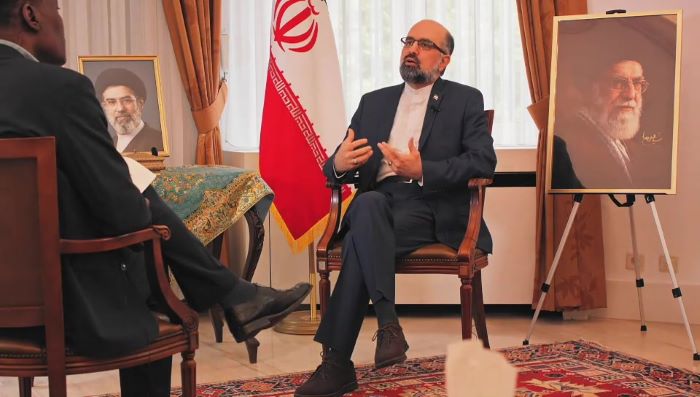
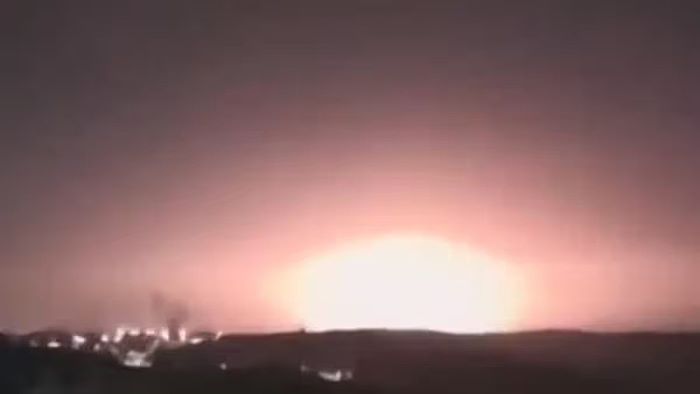
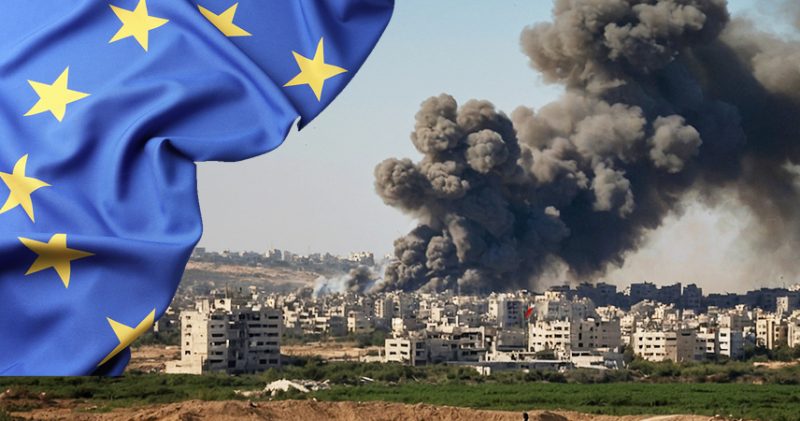
An alleged Israeli airstrike on a key Iranian nuclear site in April triggered swift and
ferocious retaliation. Tehran-backed militias in Iraq and Yemen responded with drone
attacks on U.S. and Israeli assets. Lebanon’s southern border exploded with crossfire.
Meanwhile, Gaza’s suffering deepened, turning desperation into radicalization.
Then came President Trump
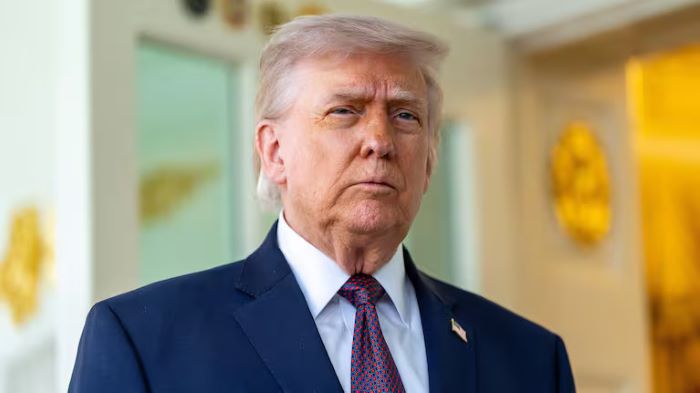
Newly returned to office after a bitter and polarizing campaign, Trump wasted no time
reasserting what he calls “American dominance.” He denounced Iran as a “terror
regime,” blasted NATO for “failing the West,” and reaffirmed U.S. support for Israel in
language even more forceful than during his first term.
“Trump’s re-election has poured gasoline on already smoldering fires,” says Dr.
Federica Marchetti of the European Council on Foreign Relations. “He sees strength in
provocation. But in this environment, provocation can be deadly.”
Trump’s America: Unpredictable Power
Trump’s second presidency is already diverging sharply from the multilateral diplomacy
favored by European allies. Gone is the cautious balancing act of the Biden era. In its
place: unilateralism, aggressive rhetoric, and tweets that send global markets and
military commands into tailspins.
His labeling of NATO as “obsolete, again” has shaken Europe. His demands that allies
“get tough or get out” have widened the rift between Washington and Brussels. And his
refusal to condemn recent Israeli strikes, while calling Iran’s leaders “monsters” has
reinforced perceptions of U.S. bias in the region.
One senior EU diplomat, speaking on condition of anonymity, said: “This is not just
noise. When President Trump speaks, actors from Tel Aviv to Tehran to Tikrit, take
action. That’s what makes this moment so dangerous.”
Europe’s Dilemma: Ally or Anchor?
Europe now finds itself trapped between loyalty to a powerful but unpredictable ally and
its own existential need for stability. The continent is still reeling from the war in Ukraine,
battling far-right extremism, and navigating economic uncertainty. Another Middle East
war, especially one pulling in the U.S., Russia, or China, would be catastrophic.
At NATO’s emergency summit in Brussels last week, member states recommitted to
collective defense. France has dispatched a carrier strike group to the Eastern
Mediterranean. Germany approved a €10 billion defense boost, including shipments of
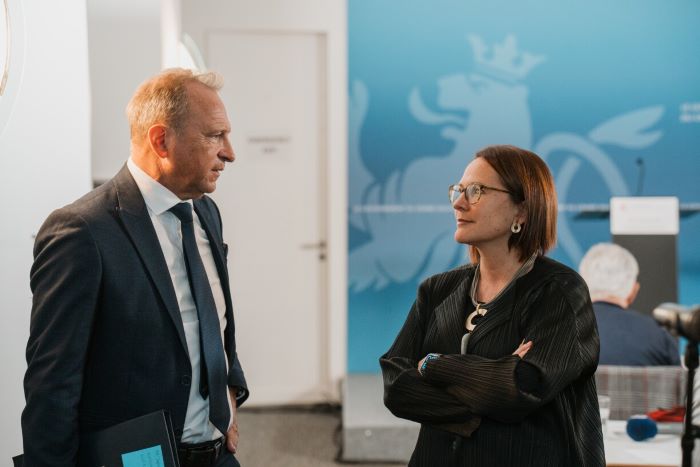
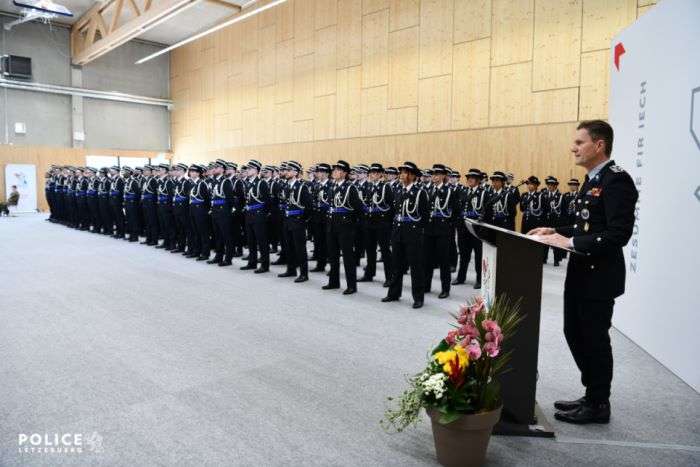
air defense systems to Israel, Luxembourg is resuming arms manufacturing in its
country. Greece and Italy have ramped up coastal surveillance.
But the reluctance is palpable
“We must not allow ourselves to be dragged into another catastrophic war,” warned
German Chancellor Friedrich Merz, “Diplomacy is not weakness. It is wisdom.”
Yet diplomacy is under siege, literally and figuratively. Iran has pulled out of nuclear
negotiations. U.S. envoys have been rebuffed across the region. And Israeli Prime
Minister Matan Weiss continues to warn that “existential threats require decisive force.”
World War III? Rhetoric or Real Risk?
In living rooms, newsrooms, and social media feeds, the phrase “World War III” is
making a disturbing comeback. But experts caution against panic.
“There is a genuine risk of regional war spilling over,” says Gen. Anders Kristoffersen,
former NATO commander. “But it’s not yet a global war. That depends on whether the
big powers, the U.S., Russia, China, decide to confront each other directly.”
Still, the signs are troubling: Russian-Iranian joint drills in the Gulf, Chinese cyberattacks
against U.S. infrastructure, rising arms sales, and disinformation campaigns stoking
public fear across Europe and the Middle East.
“We’re entering a 1930s-style moment,” warns Dr. Amara Lutz of King’s College
London. “Strongmen are rising, global institutions are weakening, and public fatigue with
peace-building is real. One spark could ignite a fire we can’t put out.”
A Narrow Path Forward
Europe’s leaders are scrambling for alternatives. President Emmanuel Macron has
proposed an emergency summit involving the U.S., Iran, Israel, and the Arab League
but Washington’s participation remains uncertain. “We must meet, not tweet,” Macron
quipped, a pointed jab at Trump’s combative online presence.
In Rome, Vatican officials are reportedly pushing for a joint religious appeal for peace,
involving Islamic, Jewish, and Christian leaders.
With military maneuvers accelerating and diplomatic avenues shrinking, Europe is
racing against time, not just to prevent war, but to reclaim moral leadership in a world
teetering on chaos.
Standing at the Crossroads
The world is not at war…not yet. However, peace, once taken for granted, now hangs by
a thread.
As jets roar over the Mediterranean, and negotiators shuttle between capitals, one
question dominates the whispered conversations of Europe’s elite: Can reason prevail
over rage? Can alliances outlast arrogance?
For now, Europe is trying to hold the line. But the return of President Trump, with his
volatile instincts and scorched-earth diplomacy, has made that line harder to hold.
And history, as always, is watching.
“History doesn’t repeat,” wrote Mark Twain. “But it does rhyme.”
In 2025, the rhyme is growing louder. And the world is listening.
Moji Danisa is an award-winning journalist and media consultant. She writes on global
affairs, justice, and the human stories behind the headlines.