




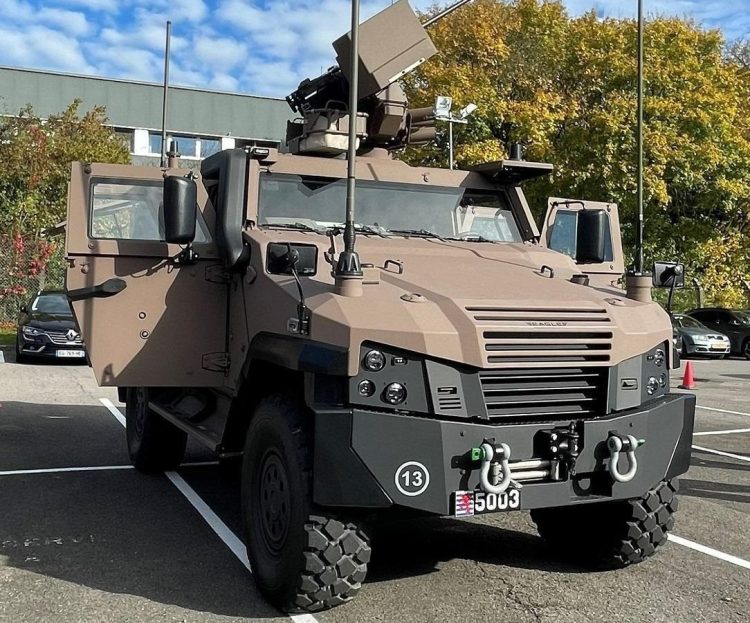
Luxembourg Army Debuts New Armored Vehicles Ahead of National Day
Under brilliant summer skies, the town of Diekirch played host to an impressive display
of military strength and national pride on Thursday as the Luxembourg Army rolled out
its annual pre-National Day parade.
This year’s edition carried more weight than usual. With global tensions simmering and
defense policies taking centre stage in international discourse, the event offered more
than ceremonial pomp. It was a moment for the country to reflect on the role of its
military, showcase its evolving capabilities, and honor the men and women who serve.
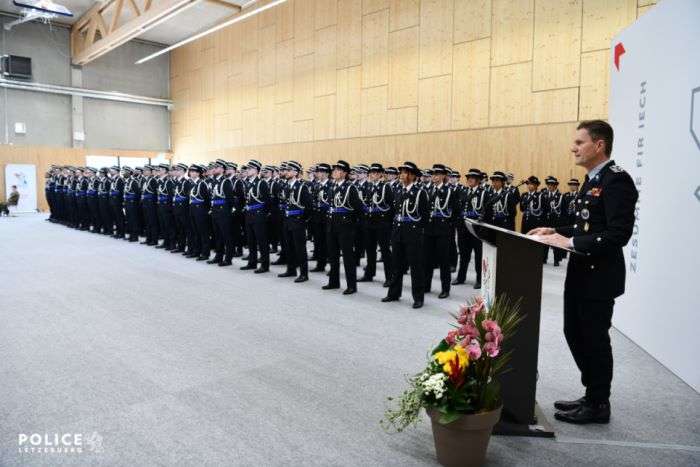
Dozens of service members were decorated during the ceremony. Officials awarded 25
National Orders, 31 Crosses of Merit, and 15 NATO mission medals, a strong testament
to Luxembourg’s growing contributions to international defense efforts.
The biggest draw of the day, however, was mechanical. For the first time, the public got
a close look at the country’s new Command Liaison and Reconnaissance Vehicles
(CLRVs). Sleek, heavily armored, and technologically advanced, these vehicles
represent a new chapter in the army’s modernisation drive.
“These new CLRVs bring a level of standardisation and protection we’ve never had
before,” said Chief of Staff General Steve Thull. “With integrated communication
systems, our forces will now be better equipped to operate seamlessly both within our
army and alongside our NATO partners, especially Belgian and French troops.”
Four of the 80 CLRVs Luxembourg has ordered were paraded through Diekirch, offering
a tangible preview of the future of the nation’s ground forces. The full fleet is expected
to phase out the current Dingo models by late 2026 or early 2027.
Defence Minister Yuriko Backes used the occasion to lay out the government’s priorities
amid fast-changing global threats. “The war in Ukraine has shown just how vital air
defense, missile interception, and drone capabilities are to protect civilian populations
and critical infrastructure,” she said. She acknowledged that delivering on these
priorities would demand not just money but also personnel — an ongoing challenge for
a country with a modest population and military footprint.
The parade comes at a significant moment on the global defense calendar. Next week,
NATO leaders will convene in The Hague, where a major agenda item will be a
proposed pledge for all member nations to commit 5% of their GDP to defense
spending. Luxembourg, like many of its peers, is expected to realign its budgeting in
light of mounting geopolitical instability.
Beyond the hardware and headlines, Thursday’s event was also about heritage and
national pride. Families gathered to watch the orderly procession, applauding as
soldiers marched past and medals were pinned to uniforms. For many, it was a
reminder that military service remains a deeply respected cornerstone of
Luxembourgish identity, especially in a world increasingly defined by conflict and
uncertainty.
The Diekirch parade marks the start of a long weekend of festivities, culminating in
Monday’s grand military parade through the streets of Luxembourg City, a centrepiece
of National Day celebrations. But for those in attendance on Thursday, the message
was already clear: Luxembourg is stepping up, honouring its past while preparing
seriously for the future.