




Luxembourg Eyes Waste System Overhaul Amid Persistent Recycling Failures
Luxembourg is preparing to overhaul its national waste system in response to persistent recycling failures and excessive waste generation. A new draft strategy, the National Waste and Resource Management Plan, outlines steps the country aims to take through 2030. It places strong emphasis on waste prevention, reuse, and improving local waste services. Stéphanie Goergen of the Environment Agency highlighted that avoiding waste in the first place remains the top priority, ahead of recycling or disposal.
Despite awareness campaigns, Luxembourg continues to be one of the EU’s largest producers of municipal waste per person. Eurostat figures place it just behind Estonia, Bulgaria, and Belgium. Much of the waste still ends up in general bins, even when it includes recyclable materials. Bio-waste makes up about 30 percent of household waste, with paper, cardboard, and plastics also contributing significantly. These materials should be properly sorted, yet current disposal habits remain poor.
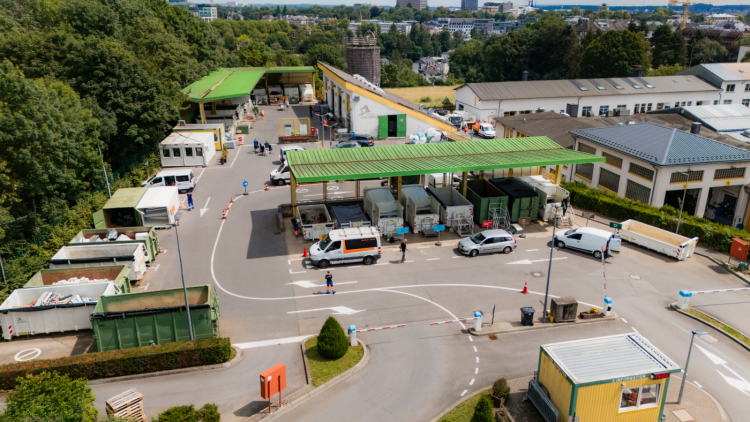
The issue appears not to be a lack of infrastructure but inconsistent sorting by households and unclear collection systems. The government hopes its new plan will help address these gaps. Among the proposed changes is a rebranding of existing recycling centres into “resource hubs.” These hubs would be open to all residents and go beyond collection to encourage reuse, repairs, and sharing of resources. Paul Rasqué of the Environment Ministry said the change reflects a wider shift in how people should view consumption and waste.
The plan also includes incentives and penalties to promote responsibility. Authorities are considering variable tax models that charge households based on the amount or type of waste they produce. This reflects a stronger application of the “polluter pays” principle. Businesses, too, are under pressure. Industrial and commercial waste accounts for over half of Luxembourg’s total waste, much of it recyclable. The government aims for a 60 percent recycling and reuse rate in this sector by 2030.
Public input remains a key part of the strategy. The draft is open to consultation, and environmental groups are encouraging residents to take part. If the plan succeeds, it could mark a major shift in Luxembourg’s environmental performance, moving from high waste output toward a more sustainable, circular economy model.