






Europe’s Heatwave Isn’t Just Weather It is a Warning
As Europe braces for yet another punishing heatwave, the record-breaking
temperatures sweeping the continent this weekend are more than just a holiday
inconvenience, they are a troubling snapshot of climate change’s accelerating grip on
our planet.
From Spain’s sun-baked interior to Greece’s wildfire-prone isles, the searing heat has
triggered a wave of urgent alerts across the region. For Irish holidaymakers planning
sunny getaways to classic summer spots – Spain, Portugal, France, and Italy – – the
heatwave represents not just discomfort but real danger, with meteorological agencies
issuing red alerts and governments scrambling to protect vulnerable populations.
On Saturday, temperatures surged past 40°C in parts of inland Spain, while Italy,
Portugal, and France endured highs between 36 and 39°C. What was once considered
extreme is quickly becoming the new norm. Spain’s meteorological agency, AEMET,
attributes this latest scorcher to a hot, dry Saharan air mass moving north from Africa, a
weather phenomenon that is increasing in both frequency and intensity.
“This isn’t just a freak event,” warns Alan O’Reilly of Carlow Weather. “It’s a glimpse into
the future if global warming continues unchecked.”
Europe’s beloved tourist destinations, Rome, Venice, Marbella, Ibiza, and the French
Riviera, are increasingly becoming frontlines in the climate crisis. Italy issued red alerts
for 21 cities this weekend. In Venice, the thermometer reads 31°C, but with humidity, it
feels closer to 35°C. Meanwhile, Spain’s Guadalquivir and Ebro valleys may hit 42°C,
temperatures more commonly associated with desert regions than Mediterranean ones.
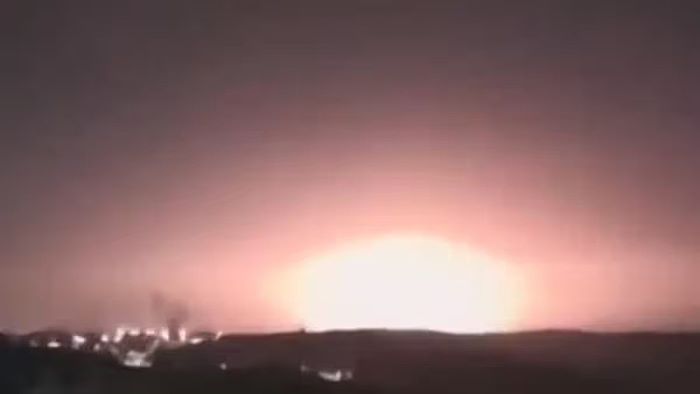
And it’s not just the heat. The tinderbox conditions have fueled wildfires across the
Balkans and southern Europe. In Albania, blazes damaged dozens of homes last
weekend. Greece, still haunted by deadly wildfires of previous summers, is again on
high alert. In Athens, temperatures soar past 40°C, while firefighters scramble to contain
outbreaks on the city’s outskirts and islands in the Aegean.
The message from nature is clear: this is not a seasonal anomaly, it’s systemic.
The World Meteorological Organization (WMO) has long warned that Europe is warming
faster than any other continent. The combination of shifting jet streams, warming
oceans, and greenhouse gas emissions has amplified summer heatwaves. Europe’s urban areas, many centuries old and ill-equipped to manage extreme heat, are especially vulnerable due to the heat island effect.
While the current heatwave is driven by short-term meteorological dynamics, its
frequency and intensity are supercharged by the long-term trend: a steadily warming
Earth. Last year was the hottest on record globally. 2025 may surpass it.
“We’re seeing longer, deadlier heatwaves with increasing regularity,” says Dr. Simone
Laurent, a climate physicist based in Marseille. “The Mediterranean basin is becoming
more arid, more unstable, and more dangerous.”
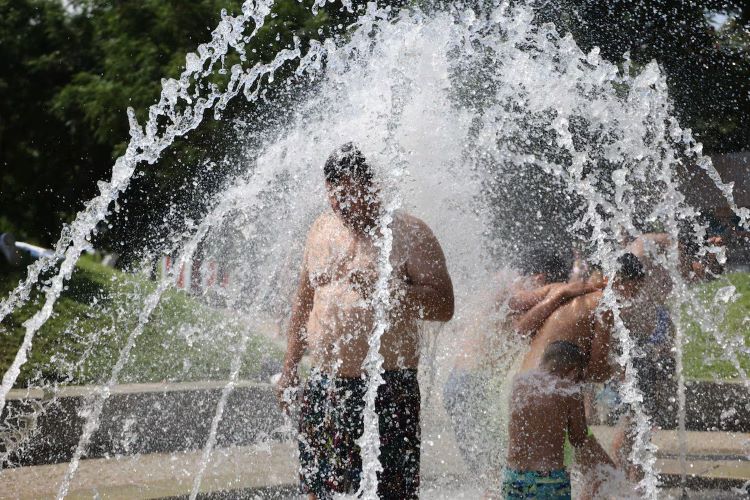
Governments are advising residents and tourists alike to take precautions: stay indoors
between 11am and 6pm, hydrate frequently, seek air-conditioned spaces, and avoid
strenuous activity. But experts argue that piecemeal advice is not enough. This is a time
for sweeping policy changes.
Infrastructure upgrades, greener urban planning, and stricter carbon regulations are no
longer aspirational, they are urgent necessities. Heat-related deaths across Europe are
on the rise, particularly among the elderly and those with chronic illnesses. Last summer
alone, excess heat is believed to have claimed tens of thousands of lives across the
continent.
Portugal’s health ministry is urging citizens to spend at least 2–3 hours daily in cool
environments. France has reactivated its emergency public health heat plan, warning
that heat stroke, dehydration, and cardiac issues are likely to rise. Italy’s red alert
covers both locals and the millions of tourists who descend upon its cities each summer.
The Tourism Industry’s Reckoning
This escalating pattern is also beginning to reshape the tourism landscape. For
decades, Mediterranean nations have leaned on the summer season as a pillar of their
economies. But what happens when the summer becomes unbearable? Or unlivable?
Hotels now promote air-conditioned rooms and shaded pools as luxury features. Travel
companies are adjusting itineraries, with some already advising against mid-afternoon
outdoor activities. And as insurance premiums rise in fire-prone areas, so too do
questions about the sustainability of vacationing in climate-vulnerable regions.
“The tourism industry cannot pretend that this is temporary,” says Carla Mendez, a
sustainable travel consultant. “It needs to adapt, or risk collapse.”
The heatwave sweeping Europe isn’t just another summer story, it is part of a dire
global narrative. From Asia to the Americas, extreme weather is becoming a fixture of
daily life, not an exception. This is the age of climate disruption, and Europe’s blazing
cities and smoky coastlines are among its starkest chapters.
As the thermometer climbs, the world watches. But watching is not enough. Without
decisive global action, the heat will not simply pass. It will stay and it will worsen.
This isn’t just the hottest summer yet. It may be the coolest of many to come.