






Understanding Luxembourg’s Tax Reforms and Why Tensions Are Rising
In Luxembourg, tax reform has become a hot-button issue sparking interest and
concern across political and social spheres. With the government, trade unions, and
employers locked in social dialogue, many are questioning what is really at stake and
why workers should pay close attention.
Tax reforms refer to the process of modifying the structure and rules of a country’s
taxation system. These changes can include adjustments to income taxes, corporate
taxes, pensions, VAT, or social contributions. Reforms are usually introduced to promote
economic growth, enhance fairness, simplify procedures, or ensure long-term financial
sustainability, especially in areas such as pensions and social welfare.
In Luxembourg, tax reforms are more than just a fiscal matter, they are political and
social flashpoints. For the government, reforms are necessary to secure the long-term
viability of public finances and pension systems, especially with an ageing population
and growing social spending. Prime Minister Luc Frieden and Economy Minister Lex
Delles have emphasized the need for prudent financial planning, but so far, their
messages to lawmakers remain vague.
Trade unions, on the other hand, are deeply concerned about the impact of these
reforms on workers. Their interest lies in ensuring that any changes to the tax or
pension systems do not disproportionately burden employees or reduce their
purchasing power. Employers are also involved, keen to ensure reforms foster a
competitive and business-friendly environment without increasing labour costs.
While the exact details of the reform proposals remain under wraps until the next social
dialogue session on September 3, several implications for workers are anticipated.
Changes to income tax brackets or pension contributions could affect take-home pay. If
the government increases retirement age or adjusts pension formulas, workers may
have to work longer or face lower retirement income.
The current secrecy surrounding the reform talks is fueling distrust. Even lawmakers
from governing parties say they have been left in the dark. This lack of transparency is
drawing criticism from opposition members and coalition MPs alike, who argue that
such significant reforms deserve open debate.
In the end, tax reforms could reshape the financial future of Luxembourg’s working
population. As discussions continue behind closed doors, workers and their
representatives are pushing for clarity, fairness, and a seat at the table.
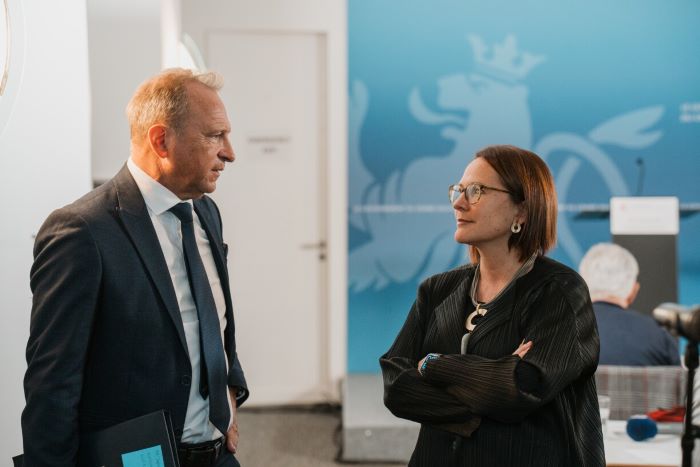
Photographer: Wolfgang von Brauchitsch/Bloomberg News