








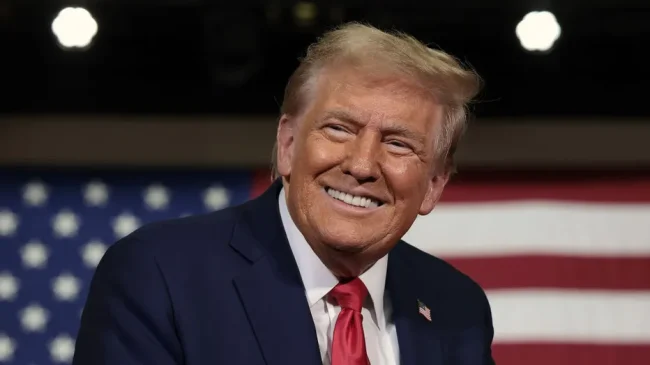
Looming Trade Battle: Trump’s Tariffs and Europe’s Response
The specter of significant tariffs on European Union (EU) goods imported into the United
States has once again emerged as a central theme in global trade discussions. US
President Donald Trump has announced a 30% tariff on all EU products entering the
US, effective August 1, 2025, citing persistent trade deficits and what he views as unfair
trade practices by the bloc. If implemented, these anticipated tariffs will have profound
implications for the economies involved, potentially reshuffling supply chains, impacting
consumer prices, and reigniting a transatlantic trade war.
The proposed 30% tariff, a marked increase from earlier suggested figures, would
directly affect a vast array of European products, ranging from luxury goods and
agricultural produce to machinery and automobiles. For European exporters, this
translates into a significant increase in the cost of doing business in the US, making
their products less competitive and potentially leading to a sharp decline in sales.
Industries heavily reliant on the American market, such as German automakers, French
winemakers, and Italian fashion houses, could face substantial revenue losses. This
could, in turn, lead to reduced production, job cuts, and broader economic slowdowns
within EU member states. Economists at Barclays have estimated that a 35% US tariff
on EU goods, combined with a theoretical 10% retaliation from Brussels, could shave
0.7% off eurozone output.
From the American perspective, the tariffs are intended to rebalance trade deficits,
encourage domestic production, and protect American industries and jobs. However,
the likely outcome is an increase in costs for American consumers, as importers would
likely pass on the tariff burden. Furthermore, American companies that rely on
European components or raw materials could see their production costs rise, potentially
making them less competitive globally.
The EU has vehemently denounced the proposed tariffs as “absolutely unacceptable”
and is actively preparing countermeasures. The European Commission, which manages
the EU’s trade policy, has drawn up a list of US imports that would face retaliatory
duties, potentially targeting iconic American products such as bourbon, motorcycles,
and denim. This tit-for-tat escalation could spiral into a full-blown trade war, harming
businesses and consumers on both sides of the Atlantic.
Will the EU stand askance and give Trump’s tariffs a free reign? Not likely, as the Union
has several strategic avenues to counter Trump’s tariff policy and potentially
“checkmate” his moves:
For starters, the EU can adopt a united retaliation strategy. The EU’s primary leverage
lies in its unity and its position as the world’s largest trading bloc. A coordinated and
robust retaliatory package, carefully designed to inflict pain on politically sensitive
sectors or states within the US, could pressure the American administration. For
instance, tariffs on agricultural products could impact key farming states, while duties on
specific industrial goods could affect prominent American companies. The EU has
already prepared a list of US goods worth billions of euros for potential tariffs.
Multilateral alliance building to forge broader alliances with other nations similarly
impacted by US tariffs, such as Mexico, Japan, and Canada may be enforced. A unified
front of affected countries, potentially within the framework of the World Trade
Organization (WTO), could exert significant diplomatic and economic pressure on the
US to reconsider its unilateral actions.
There is also the WTO Dispute Resolution alternative. While often a lengthy process,
the EU can continue to challenge the legality of these tariffs under WTO rules. A ruling
against the US, even if not immediately enforceable, would provide legal backing for EU
countermeasures and further isolate the US on the global trade stage.
Diversification of Trade and supply chains, will in the long term, the EU can proactively
work to diversify its trade relationships and reduce its reliance on the US market. This
involves exploring new trade agreements with other regions and encouraging European
businesses to re-evaluate their supply chains to lessen their vulnerability to future US
protectionist measures.
Governments must now focus on strengthening their domestic market to enable the EU
implement policies to reinforce its internal market, fostering innovation and
competitiveness within the bloc. This would make EU industries more resilient to
external shocks and less dependent on access to the US market.
The coming weeks will be crucial as both sides navigate this escalating trade dispute.
The EU’s ability to present a united front and implement well-calibrated responses will
be key to mitigating the negative impacts of these tariffs and potentially influencing the
trajectory of transatlantic trade relations.