





US Cites Fairplay as Trans Athletes Barred from Women’s Olympic Events
In a move that has ignited a fresh wave of controversy and debate over inclusion in
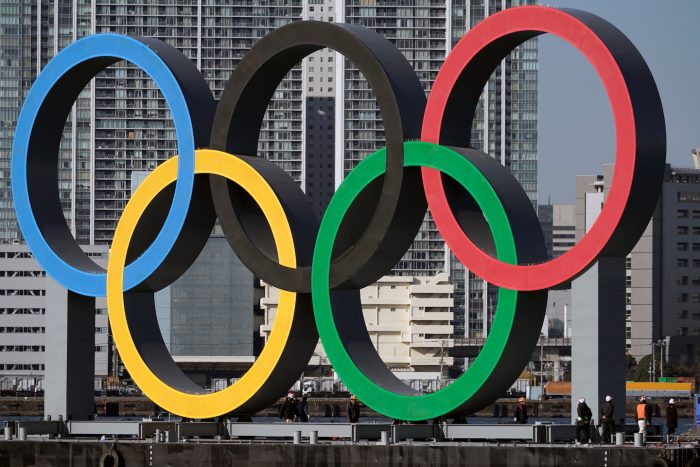
sports, the U.S. Olympic and Paralympic Committee (USOPC) has updated its eligibility
guidelines to effectively ban transgender women from competing in women’s categories
at the Olympics.
Published quietly on the USOPC’s website on Monday, the new rules were introduced
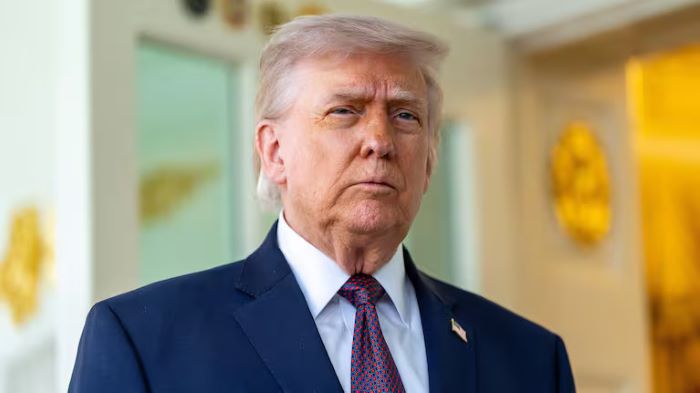
under the directive of President Donald Trump, citing compliance with Executive Order
14201, signed on February 5. The order mandates that only athletes assigned female at
birth may compete in women’s sports at federally funded institutions and now, at the
nation’s highest level of athletic representation.
The policy statement is couched in the language of fairness and safety, declaring that
“participation in sport should be available to everyone,” but also warning that fairness is
compromised when athletes face “unreasonable field of play safety risks or a much-
reduced chance for success in competitive sport due to sex-linked physiology.”
Though brief and vaguely worded, the policy represents a sharp turn for the USOPC,
which had previously deferred to international federations and the International Olympic
Committee (IOC) on transgender eligibility. It now aligns with similar action by the
NCAA, which moved swiftly to bar transgender women from women’s competitions just
one day after Trump signed the executive order.
The executive order also carries significant consequences for non-compliance. Schools
and institutions that fail to enforce the ban risk losing federal funding, a threat that has
sent ripples across collegiate and youth sports systems nationwide.
LGBTQ+ advocates and civil rights groups have condemned the move as discriminatory
and politically motivated. “This is a rollback of basic dignity and fairness, not a defense
of it,” said one representative from Human Rights Campaign.
Supporters, including several conservative lawmakers and athletic organizations, argue
that the change restores what they call competitive integrity in women’s sports, citing
physical differences between cisgender and transgender athletes.
The USOPC’s shift may also foreshadow a broader confrontation with the International
Olympic Committee, which still allows for transgender participation under certain
medical and physiological thresholds.
As the Paris 2024 Games fade into memory and Los Angeles 2028 draws nearer, the
question of who gets to compete and on what terms, is once again at the center of the
American sporting identity.