


The Shifting Sands of Neutrality: Why Sweden’s Gaza Silence Echoes Louder
While streets across the globe ring with condemnation, and other European nations find
their voices, Sweden’s muted response to the unfolding catastrophe in Gaza has left
many, including its own citizens, questioning the bedrock of its once-principled foreign
policy.
Hundreds took to the streets recently, their chants echoing a growing frustration with
Stockholm’s perceived silence on the suffering in Gaza and the escalating accusations
of genocide against Israel. This public outcry highlights a stark divergence from
Sweden’s historical posture as a vocal proponent of human rights and international law,
particularly concerning the Israeli-Palestinian conflict.
For decades, Swedish foreign policy was famously anchored in a tradition of non-
alignment and an assertive “moral superpower” role on the international stage. This
often translated into a critical stance towards Israeli occupation and a strong advocacy
for Palestinian self-determination. Indeed, Sweden made headlines in 2014 by
becoming the first EU member to officially recognise the State of Palestine, a move
hailed by many as courageous and principled, yet condemned by Israel.
However, the current right-wing government, which took office after the 2022 elections,
has overseen a significant re-calibration of this long-standing approach. The perceived
shift towards a more pro-Israel stance has been notable, with Foreign Minister Tobias
Billström even previously describing the 2014 recognition of Palestine as “premature
and unfortunate.” This pivot is often attributed to a desire to align more closely with
traditional Western allies, particularly in the wake of Sweden’s recent accession to
NATO. The need for security cooperation and a unified front against perceived threats,
particularly from Russia, appears to have influenced a more pragmatic, less overtly
critical foreign policy.
This new pragmatism, however, clashes sharply with the severity of the humanitarian
crisis in Gaza. While other European nations, including Spain, Ireland, and Belgium,
have been increasingly vocal in their condemnation of Israeli actions and calls for a
ceasefire, Sweden’s official statements have often been couched in more cautious
diplomatic language, emphasizing Israel’s right to self-defense while also calling for
humanitarian access. While the government has significantly increased humanitarian
aid to Gaza and supported demands for a ceasefire, and even recently indicated it
would push for sanctions against extremist Israeli ministers and review Israel’s
compliance with the EU Association Agreement, it has largely shied away from using
terms like “genocide,” even as the International Court of Justice has found a “plausible
risk of genocide” in the region.
Critics argue that this reticence risks undermining Sweden’s long-held credibility as a
champion of international law and human rights. For a nation that once prided itself on
an independent and values-driven foreign policy, the silence on Gaza feels, to many,
like a betrayal of those very principles. The protests on Swedish streets are a vivid
testament to the public’s desire for their government to reclaim its moral voice, urging
Stockholm to remember that true neutrality does not equate to silence in the face of
profound human suffering.
Moji Danisa
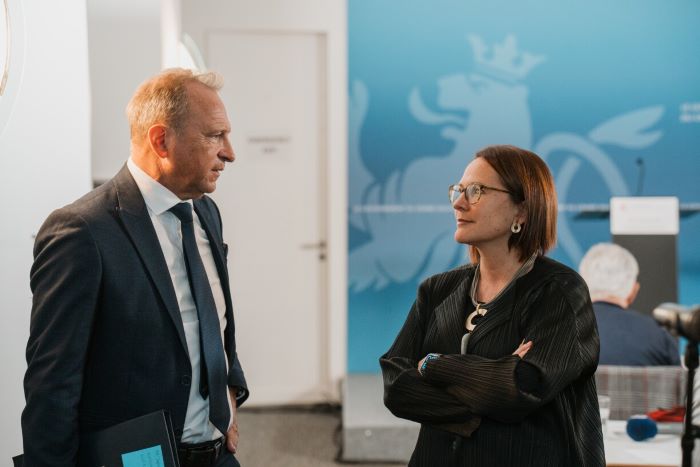
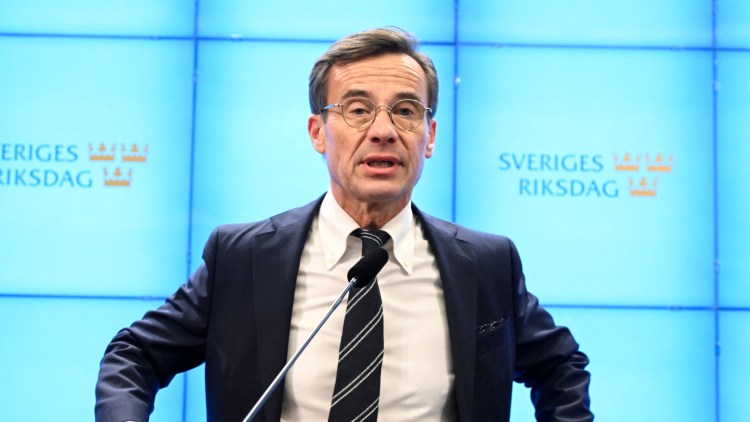
Photo – Ulf Kristersson, Prime Minister of Sweden