






TikTok’s AI Replacements Spark Berlin Strike – Is Your Job Next?
The rising tide of artificial intelligence continues to disrupt the global workforce, with the
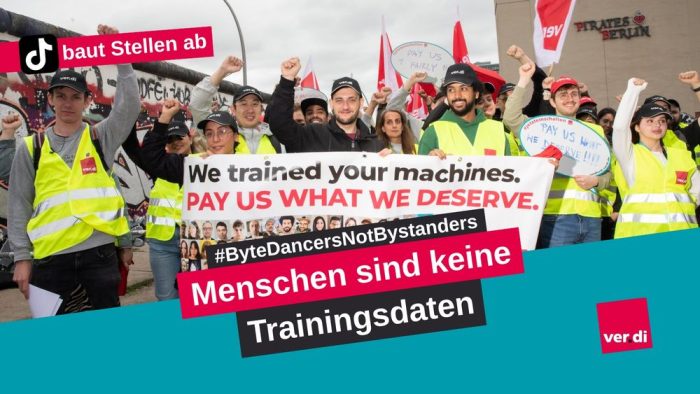
latest blow delivered at the Berlin headquarters of TikTok, where 150 workers, mainly
content moderators and outreach staff, have been told they are no longer needed. Their
replacements? AI systems they ironically helped train.
On July 23, the affected workers took strike action, marking the beginning of a dispute
that exposes the growing threat AI poses to employment security. The unionized staff,
who manage some of the most toxic content on the platform, including violent, fake,
racist, and pornographic material, have long complained of poor wages and precarious
contracts. Now, many face sudden unemployment, following the dismantling of TikTok’s
‘Trust and Safety’ and ‘Live’ departments, two critical units responsible for user safety
and creator engagement.
This development is not just a labor dispute, it is a stark example of a global trend.
Across industries, AI is quietly but quickly replacing human labor, especially in jobs
that involve pattern recognition, moderation, analysis, or customer service. Workers
once seen as essential are finding themselves discarded for machines that never sleep,
never unionise, and never ask for a raise.
Experts say adaptability is key to avoid losing it all to AI. Workers must begin re-skilling
into areas where AI is less effective, roles that demand human judgment, emotional
intelligence, creativity, and physical dexterity. Jobs in healthcare (e.g. nursing, therapy),
education, skilled trades (plumbers, electricians), arts, counseling, and community
support are less vulnerable to AI displacement.
Furthermore, workers should push for stronger labor protections and collective
bargaining rights in the age of automation. Unionizing is no longer just about wages and
benefits, it’s about survival in a rapidly changing world. There is also growing
momentum behind calls for governments to regulate AI deployment, especially where it
impacts livelihoods.
The TikTok strike in Berlin is a warning. As AI spreads deeper into the workplace,
societies must urgently rethink how to protect workers. Otherwise, the future of
employment may not be automated, it may be erased.