






Belgium’s Prison Crisis: More Cells or Smarter Justice?
Belgium has announced plans to create over 2,000 new prison spaces by 2030 in an
urgent bid to tackle chronic overcrowding in its penal system, as pressure mounts over
inhumane conditions and a justice system straining at its limits.
The expansion forms part of a broader strategy to address a crisis that has been
building for decades, with prisons operating far beyond official capacity. While the
country has not seen a dramatic surge in crime overall – indeed, data suggest a general
decline over the past 20 years – experts point to systemic issues and policy shifts that
have led to the steady rise in inmate numbers.
A major factor has been the tightening of sentencing policy. In 2022, Belgium began
enforcing short-term prison sentences of under three years that had previously been
suspended in many cases. The result has been a sharp uptick in admissions,
particularly for minor offenses. At the same time, crackdowns on undocumented
migrants have filled cells with individuals not convicted of serious crimes, further
compounding the pressure on the system.
Pre-trial detention also plays a significant role. A high proportion of inmates are held
while awaiting trial, often for extended periods. These detainees are frequently
concentrated in older, urban facilities near courts, exacerbating overcrowding in
outdated buildings that are already beyond their limits.
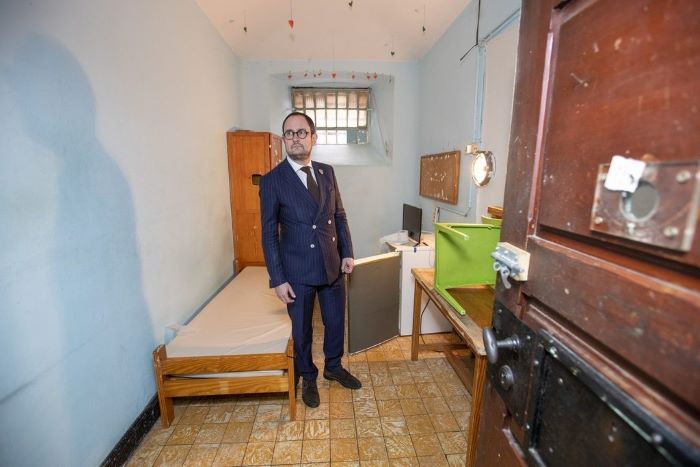
Belgium’s prison infrastructure is among the oldest in Europe. Many facilities were not
designed to cope with modern prison populations. Cells built for one now routinely
house two or three inmates, and reports of prisoners sleeping on floors have become
increasingly common. Chronic staff shortages, among the worst on the continent, have
crippled day-to-day operations and undermined any hope of meaningful rehabilitation.
Despite the country’s stated aim of balancing punishment with rehabilitation, the latter
remains largely aspirational. Many prisoners have low levels of education and complex
social histories, but access to individualised reintegration support, vocational training or
psychological care is limited. This has contributed to high rates of re-offending and a
cycle that the system struggles to break.
The government insists that the planned expansion will alleviate pressure and allow for
more humane conditions. But critics warn that without reform of sentencing practices,
improved legal safeguards around pre-trial detention, and investment in rehabilitation
programs, the crisis will persist, no matter how many new cells are built.
Photo – Justice Minister Vincent Van Quickenborne at the prison of Forest, Brussels, Friday 18 November 2022. Credit: Belga / Nicolas Maeterlinck