






Luxembourg’s inflation puzzle: A creeping rise despite a monthly slowdown
A perplexing picture is emerging with Luxembourg’s annual inflation rate edged up to
2.3% in July. The figure, released by the National Institute of Statistics and Economic
Studies (STATEC), marks a slight increase from the previous month’s 2.2% and
presents a complex challenge for households and policymakers. This marginal rise
comes despite a monthly deceleration in price increases, creating a nuanced reality that
belies the simple headline figure.
The fluctuating fortunes of Luxembourg’s inflation are a microcosm of the broader
economic pressures facing Europe. On one hand, the monthly slowdown in price growth
offers a glimmer of hope that the persistent inflation of recent years is losing
momentum. This can be attributed to factors such as seasonal sales, which saw sharp
price declines in categories like “clothing and footwear,” and a potential easing of global
supply chain pressures.
However, the year-on-year increase tells a different, more concerning story. The annual
inflation rate is driven by a number of underlying factors, including the enduring impact
of rising costs in key sectors. The recent past has seen significant price hikes in
essentials such as food, energy, and housing, which continue to weigh heavily on
household budgets. These “cost-push” pressures, often a result of geopolitical events
and global commodity market volatility, are not easily dissipated and leave a lasting
imprint on the cost of living.
For the citizens of Luxembourg, a nation with one of the highest per capita incomes in
the world, this creeping inflation is a serious and tangible threat to their quality of life.
The country’s unique and highly-valued system of wage indexation, which automatically
adjusts salaries to inflation, offers a degree of protection. Indeed, the next indexation is
projected for the third quarter of 2026, offering a future buffer against rising prices.
But this system, while powerful, is not a panacea. The time lag between the rise in
prices and the wage adjustment means that households must contend with a period of
reduced purchasing power. This is particularly acute for lower-income families who
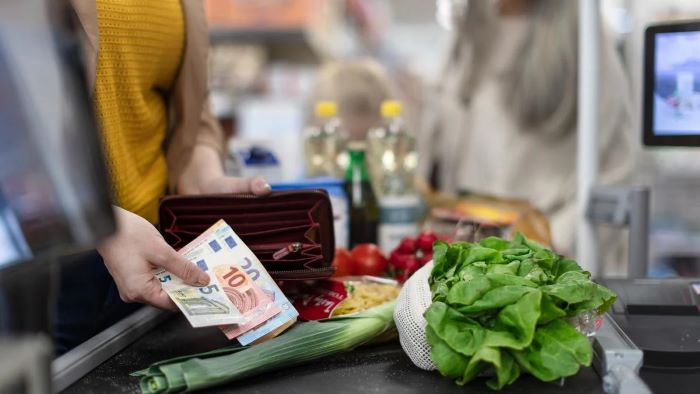
allocate a larger proportion of their income to essential goods. As the cost of a weekly
food shop or heating bills continues to climb, discretionary spending on leisure and non-
essential items is often the first casualty.
Moreover, STATEC’s upward revision of its 2025 inflation forecast to 2.1% from an
earlier projection of 1.9% suggests that these inflationary pressures are proving more
stubborn than previously thought. While the long-term outlook for 2026 has been
lowered, this is contingent on a sustained decline in energy prices and the continued
strength of the euro – variables that are susceptible to global economic and political
shocks.
The delicate dance between slowing monthly price growth and persistent annual
inflation creates a climate of uncertainty for household spending. While the future holds
the promise of a wage indexation and a more stable outlook, the present reality for
many in Luxembourg is a constant battle to make ends meet in an environment where
the value of a euro seems to be in a state of constant, and often perplexing, flux.
Photo – Shutterstock/Illustration