







Marks & Clerk’s €24m Windfall Ends in Mass Job Cuts
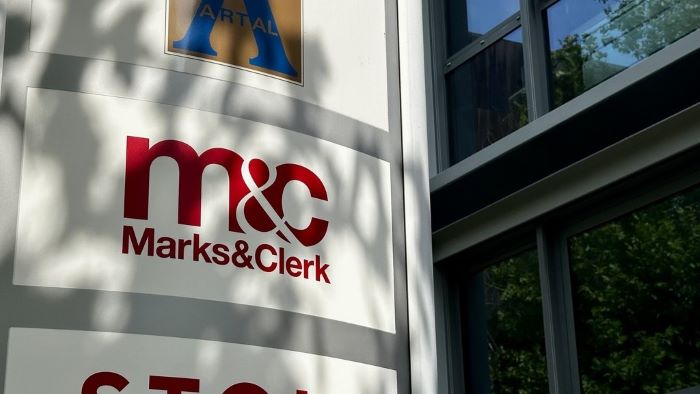
The Luxembourg branch of international intellectual property law firm Marks & Clerk is
set to make 28 of its 30 employees redundant, despite declaring a pre-remuneration
profit of €24 million in 2024, an almost 20% increase from the previous year.
The decision has provoked sharp criticism from workers and the OGBL union, which
has condemned the move as “irresponsible” and symptomatic of a wider corporate trend
of prioritising profit over people. The union argues that the company’s healthy financial
position removes any justification for the mass layoffs.
Negotiations began in early July to draw up a legally required social plan under
Luxembourg’s labor laws. Initial talks broke down, prompting intervention by the
National Conciliation Office (ONC). A new deadline of 19 August has been set for the
parties to agree on adequate severance terms. If no agreement is reached, Marks &
Clerk could proceed with minimum statutory compensation, an outcome the union is
desperate to avoid.
OGBL has accused the firm of failing to negotiate in good faith, citing management’s
own admission that affordability does not equate to obligation. “They have the means to
offer dignified severance packages,” said a union spokesperson. “But they are choosing
not to.”
While Marks & Clerk has not publicly elaborated on the reasons behind the closure,
sources familiar with the matter suggest the company is consolidating its operations into
more centralised or cost-effective offices, a trend mirrored by several multinationals
amid Luxembourg’s rising operational costs and increased regulatory scrutiny.
The layoffs come against a backdrop of rising economic anxiety in Luxembourg.
Bankruptcies surged by 30% in 2024, with over 3,300 job losses recorded. Although
Marks & Clerk remains solvent and profitable, its decision to downsize has added to
growing concerns about the security of white-collar jobs in the Grand Duchy.
The union is now ramping up pressure on the firm, urging workers to file formal
objections, register for unemployment benefits with ADEM, and prepare for potential
legal challenges. “This is about justice, not charity,” said one affected employee. “We
built the success they’re now using to abandon us.”
Unless meaningful concessions are made, the dispute is likely to escalate, potentially
tarnishing the firm’s international reputation. For the employees in Luxembourg,
however, time is running out.