







$5 Rock: US and Niger, on Collision Course Over a Small Piece of Mars
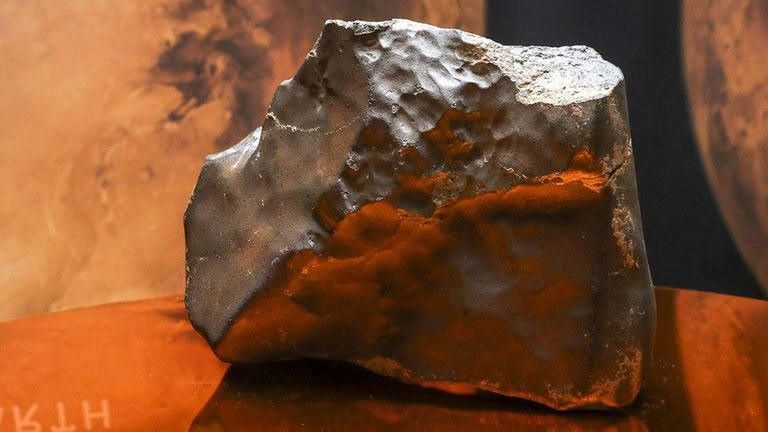
When the gavel fell at Sotheby’s in New York last month, a slice of the solar system
changed hands for a record sum. The 54-pound meteorite, believed to have been
blasted off Mars millions of years ago and found in the sands of the Sahara, fetched
more than $5 million, setting a new high for a specimen of its kind.
But while the sale drew applause in auction circles, it has set off alarm bells in Niger, the
West African nation where the rock was discovered. Officials in Niamey say the
meteorite was removed from the country without proper authorization and may be the
subject of “illicit international trafficking.” An investigation has been opened into how
such a rare and valuable object left the country, and who profited from its journey.
Meteorites fall to Earth at random, but their value is shaped by human laws as much as
by celestial chance. In many countries, including Niger, such finds are deemed part of
the national heritage, meaning export is restricted or banned unless state permission is
granted. Yet in the opaque world of meteorite trading, a niche market that straddles
science, collecting and investment, provenance is often contested.,
Sotheby’s has rejected any suggestion of wrongdoing, stating that the meteorite was
acquired and consigned legally, and that due diligence was carried out before the sale.
The auction house has not disclosed the identity of the seller or the buyer, citing client
confidentiality.
The dispute highlights a tension familiar in the trade of rare natural objects – between
the discoverer’s desire for reward, the collector’s appetite for ownership, and the source
nation’s claim to cultural or scientific patrimony. Niger’s concern is not only over the
potential loss of a unique specimen, but also over the precedent it could set for the
exploitation of other rare finds on its territory, from fossils to gemstones.
For scientists, the rock is a window into the geological history of Mars, carrying within it
clues about the planet’s climate, volcanic activity, and potential to have once harbored
life. For Niger’s officials, it is also a reminder that the value of such a specimen should
not be measured solely in dollars, but in the scientific and cultural capital that may have
been lost.
Whether the investigation will result in a formal claim for repatriation remains unclear.
What is certain is that a small fragment of Mars has become the focus of a very
terrestrial debate about heritage, ownership and the fine line between discovery and dispossession.
Photo – The Martian meteorite found in Niger went on display in New York before it was auctioned © EPA