




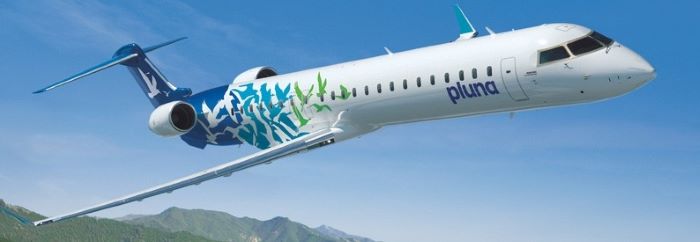
Uruguay’s frozen assets: the hidden fallout of Pluna’s collapse
Uruguay has confirmed the payment of US$64.3m to settle a long-running dispute with
the Panamanian company Latin American Regional Aviation Holding (LARAH), ending
months of financial uncertainty after state accounts were frozen in Luxembourg.
The case stems from the collapse of Pluna, the country’s national airline, which was
liquidated in 2012. LARAH, a former shareholder that held a 75% stake in the carrier,
took Uruguay to the International Centre for Settlement of Investment Disputes (ICSID),
claiming unfair treatment and indirect expropriation. In February 2024, the tribunal ruled
in the company’s favor, ordering Uruguay to pay more than US$30m plus interest.
By late 2024, the award had risen to around US$56m. When Uruguay failed to make
payment, LARAH sought enforcement in Luxembourg, a jurisdiction central to
Uruguay’s sovereign bond operations. On 22 November 2024, courts there froze state-
held accounts across 37 financial institutions. The measure remained in place until 27
August 2025, when the new government of President Yamandú Orsi confirmed the
award had been settled.
The full extent of the freeze only became public after Uruguay’s daily newspaper El País
obtained official documents under a freedom of information request. According to the
report, details of the frozen accounts were not disclosed to Orsi’s administration during
the government transition. “This information was hidden from us, which is extremely
serious and puts the country at risk,” said Jorge Díaz, deputy secretary of the presidency.
Uruguay has insisted it never received official notice of the asset seizures, though it
repeatedly affirmed its willingness to comply with the arbitration ruling. At the same time,
the government rejected demands by LARAH to halt criminal proceedings against three
former Pluna executives, calling the condition unconstitutional.
The case highlights the high cost of the airline’s demise and the risks small states face
when dealing with international arbitration. For Uruguay, the financial burden was
compounded by reputational damage, as one of South America’s most stable
economies found itself unable to access funds in Europe for nearly a year.
With the payment now confirmed and the freeze lifted, the government hopes the
episode will draw to a close. But the controversy over why such critical information was
withheld during a handover of power is likely to linger, raising questions about
transparency and accountability at the heart of the Uruguayan state.