



How Real is Trump’s UN Sharia law Rant, to the UK?
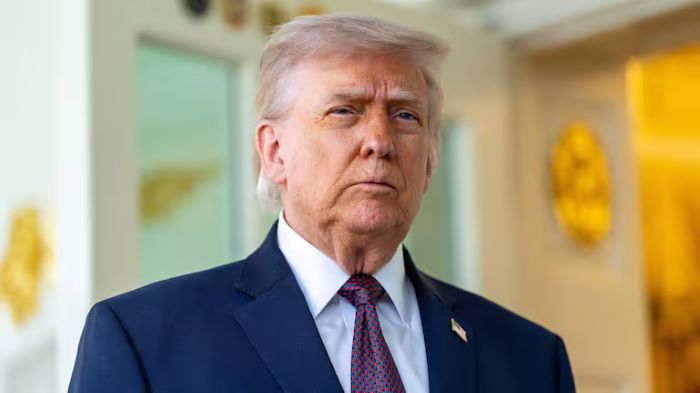
Former US president Donald Trump has sparked fresh controversy after claiming that
London is “moving toward sharia law,” renewing his long-running feud with the city’s
mayor, Sadiq Khan, and drawing sharp criticism from British politicians and legal
experts.
Speaking at the United Nations last week, Trump alleged that Khan wanted London to
“go to sharia law,” accusing the mayor of being weak on radical Islam. The comments,
echoing earlier attacks he has made against the Labour politician, were dismissed by
Khan as “racist, sexist, misogynistic and Islamophobic.”
Legal scholars and government reviews, however, have consistently rejected
suggestions that Britain is sliding into a parallel legal system. While a network of sharia
councils and Muslim arbitration tribunals does exist across England and Wales, their
rulings carry no statutory weight and remain subject to UK civil law.
Sharia councils typically deal with family and personal matters, particularly Islamic
divorces and inheritance disputes. Their decisions are voluntary and cannot override
civil courts. In cases of arbitration, the Arbitration Act 1996 sets strict limits, and any
outcomes must comply with British law to be enforceable.
A Home Office-commissioned independent review estimated the number of active
sharia councils at between 30 and 85, but stressed that comprehensive data was
lacking. The review concluded that while such bodies can offer religious guidance, there
have been instances of poor governance, discriminatory outcomes, and lack of
transparency, particularly disadvantaging women seeking divorces.
Despite those concerns, the review stopped short of describing the councils as a
“parallel legal system.” Instead, it recommended stronger oversight, better public
awareness of civil rights, and clearer regulation to protect vulnerable individuals.
Critics say Trump’s language misrepresents these findings and fuels anti-Muslim
sentiment. Legal experts emphasise that Britain’s constitutional framework leaves no
room for religious law to supplant parliamentary sovereignty or the rule of law.
Khan, the first Muslim mayor of a major Western capital, has frequently been targeted
by Trump. As president, he accused the mayor of being soft on terrorism, comments
which were widely condemned at the time. His latest remarks have been interpreted by observers as part of a broader populist strategy, appealing to fears about immigration
and integration.
While concerns remain about the practices of some religious arbitration bodies, there is
no evidence to support Trump’s claim that London, or Britain more broadly, is on the
path to adopting sharia law. Officials and researchers agree that the challenge is not the
erosion of the legal system, but ensuring equality and access to civil justice for those
within minority communities who may otherwise turn to religious forums.
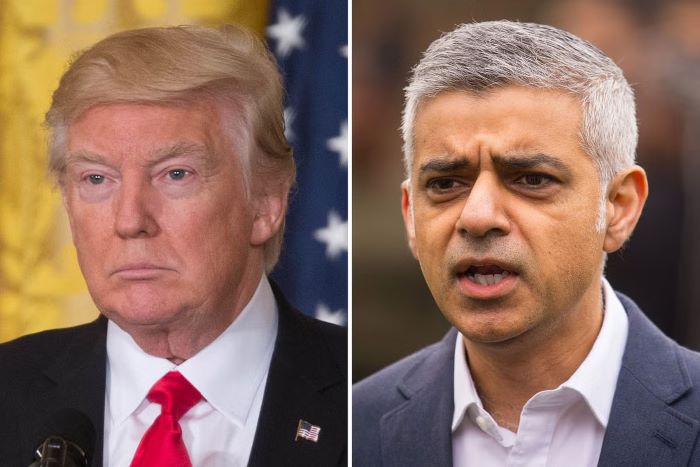
Photo – Donald Trump attacks Sadiq Khan with false ‘sharia law’ claim about London in UN speech (Independence)