




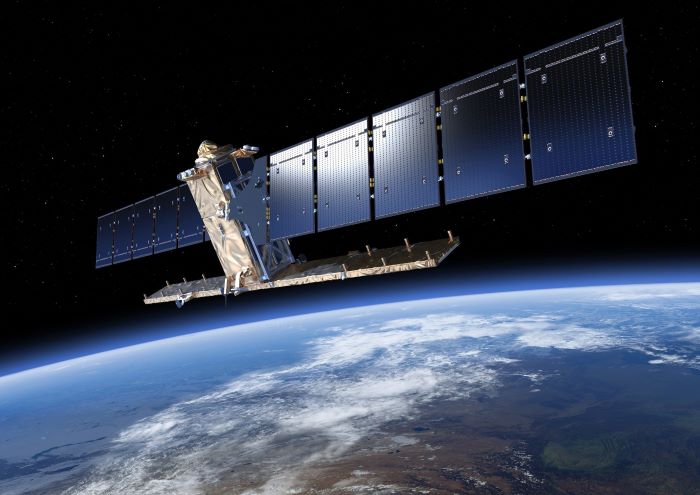
Luxembourg’s €500m Satellite Ambition
Luxembourg is to spend more than €500m on a new military-grade communications
satellite, only a few years after launching its first dedicated government spacecraft,
GovSat-1.
The project, known as GovSat-2, was confirmed in parliamentary documents earlier this
year and will be funded through the state’s Military Equipment Fund. The satellite is
being developed under a joint venture between the government and SES, the country’s
satellite operator headquartered in Betzdorf.
Officials say the urgency reflects a shift in the security environment and the growing
reliance on space-based infrastructure for defense, crisis response, and government
operations. The new satellite is designed to provide jam-resistant, multi-band services
for Luxembourg’s armed forces and for NATO, EU and UN missions.
GovSat-1, launched in 2018, has been used to secure bandwidth for military and
humanitarian operations while also generating revenue through leasing excess capacity
to allied governments. GovSat-2 is intended to build on that model, offering both
sovereign access for Luxembourg and a commercial product that SES can market to
partners.
The move comes as European countries accelerate investment in sovereign space
capabilities. France has committed billions to new military satellites and secure multi-
Orbit Systems, while Germany is expanding its SATCOMBw program and setting up
new defense space units. The Netherlands has increased spending on radar and laser
communications satellites, and Belgium is backing a domestic satellite manufacturing
sector.
Compared with its larger neighbors, Luxembourg’s program is modest in scale but
significant given its size. Officials argue that secure satellite capacity enhances the
country’s credibility within NATO and the EU while reducing dependence on third-party
providers.
The €501m investment covers both the construction of the satellite, to be built by Thales
Alenia Space, and a strategic capacity reserve. The government has not disclosed
revenue projections, but has pointed to GovSat-1’s track record in selling capacity as
evidence that the project can help offset costs.
Analysts caution that the commercial market for secure, government-grade satellite
services is increasingly competitive, with France, Germany, and private operators offering their own solutions. However, Luxembourg’s early role as a host nation for SES
and its regulatory stability give it an advantage in securing trusted customers.
For a country of just over 600,000 people, the outlay is substantial, but officials argue
that in a world where satellites are both strategic assets and targets, owning sovereign
capacity is less about prestige and more about ensuring resilience.