








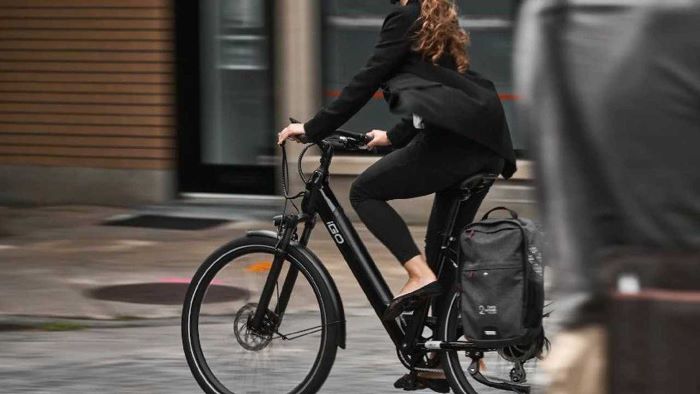
Belgium’s New Target: Thieves Turn to E-Bike Batteries as Crime Wave Grows
In cities and towns across Belgium, a new kind of theft is surging, one that doesn’t
involve the entire bicycle, just its most valuable component. The lithium-ion batteries
that power electric bicycles have become a lucrative target for thieves, with police
warning that organised gangs are increasingly stripping them from parked bikes, often
in broad daylight.
The batteries, worth between €500 and €1,100 each, are relatively easy to remove and
carry, making them far more attractive to criminals than the bikes themselves, which can
be bulky, traceable, and harder to resell. Authorities say the stolen batteries often end
up in a thriving black market, sold online, repurposed for other electric vehicles, or even
shipped abroad for reuse in scooters and e-bikes. In some cases, they are dismantled
for their lithium cells, which are in growing demand due to global shortages and high
recycling value.
Belgium’s e-bike boom spurred by green transport incentives and high fuel prices, has
inadvertently created fertile ground for theft. More than one in three new bicycles sold in
the country last year was electric, and the number continues to rise. With that popularity
has come a new criminal economy.
Police in Antwerp and Brussels have reported a sharp increase in battery thefts, often
carried out by small, mobile groups using tools to quickly detach batteries from parked
bikes at stations, shopping areas, and residential blocks. Insurance companies have
also noted a spike in claims, prompting calls for manufacturers to design more secure
locking systems.
Riders are being urged to remove batteries whenever possible and take them indoors,
or use high-security locks to secure both the bike and the power unit. Parking in well-lit,
monitored areas and registering bicycles in national databases can also deter theft.
The Belgian government has pledged to step up surveillance in high-risk areas and is
working with local councils to install more secure bike parking facilities. Police forces
have begun tracking online marketplaces where stolen batteries are believed to be
resold, while lawmakers are exploring harsher penalties for repeat offenders.
Still, many cyclists feel vulnerable. “You can do everything right and still lose your
battery,” said one commuter in Brussels. “It’s like carrying gold on two wheels.”
As Belgium pushes for cleaner transport, its e-bike revolution now faces a sobering
reality – the cost of going green is increasingly being counted in stolen watts.