





Gaza Ceasefire: A Fragile and Precarious Peace Deal
Gaza erupted in celebration on Thursday after former US President Donald Trump
announced that Israel and Hamas had agreed to the first phase of a long-awaited
ceasefire. The deal, brokered through Egypt and Qatar, promises to halt nearly two
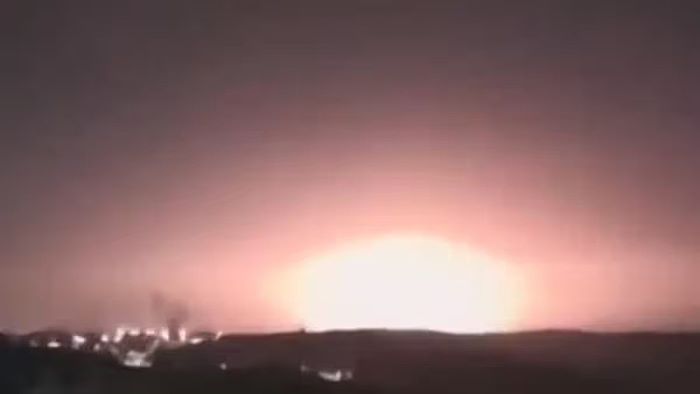
years of relentless fighting but as fireworks lit up the night sky, Israeli missiles reportedly
struck civilians returning to their homes in the north, a stark reminder of how precarious
peace remains.
Under the terms outlined by mediators, Hamas has agreed to release all remaining
Israeli hostages within 72 hours of the truce’s activation, in exchange for Israel freeing
hundreds of Palestinian prisoners. Israeli troops would gradually withdraw from heavily
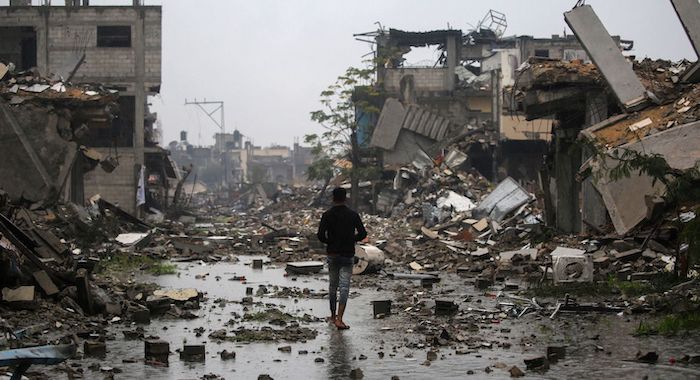
populated areas, allowing humanitarian convoys to deliver food, fuel, and medicine to a
war-torn Gaza where the death toll has exceeded 35,000.
The ceasefire, however, is still waiting on Israel’s formal approval. Prime Minister
Benjamin Netanyahu said his government would issue a final decision after a cabinet
meeting on Friday, citing the need for “security guarantees and clear verification
mechanisms.” Until then, military operations have continued sporadically, despite the
broad announcement of peace.
In Gaza, Hamas confirmed it had accepted what it called “the first phase of a
comprehensive agreement.” Speaking from Doha, senior members hailed the accord as
“a triumph of Palestinian resilience” while insisting they would “remain faithful to the
cause.” The group’s acceptance, analysts say, reflects exhaustion as much as strategy,
an attempt to secure breathing space for civilians and preserve political relevance after
months of devastating bombardment.
“This is not the end of Hamas,” said one regional analyst. “It’s a tactical pause, not a
capitulation. Both sides are trying to win time, one for recovery, the other for
recalibration.”
In Israel, reactions have been divided. Families of hostages cautiously welcomed the
news, while hard-right members of Netanyahu’s coalition warned that releasing
prisoners would amount to “rewarding terror.” Some military officials privately
questioned whether Hamas would fully comply or use the pause to regroup.
On the streets of Gaza, however, few seemed concerned about the political fine print.
People poured into the open squares of Rafah and Khan Younis waving flags and
chanting, “The war is over.” Yet even amid joy, scepticism lingered. “We’ve seen
ceasefires come and go,” said one returning resident. “We’ll believe it only when we
sleep a whole night without bombs.”
If Israel’s cabinet endorses the deal, the truce could begin within 24 hours. Whether it
holds may depend less on signatures and more on restraint, in a land where peace, for
now, remains both within reach and painfully fragile.