


Unanswered Questions as US Drops Charges in NATO Luxembourg Scandal
Unanswered questions continue to trail the decision by the United States Department of
Justice to drop all charges linked to the corruption probe at the NATO Support and
Procurement Agency (NSPA) in Luxembourg. The move, which effectively ends the
American leg of a transatlantic investigation into alleged bribery, data leaks and
manipulation of defence contracts, has stirred debate across diplomatic and defence
circles in Europe and Washington.
The investigation, which began earlier this year, centred on suspicions that NATO
procurement officials had passed confidential tender information to outside consultants
and companies in exchange for kickbacks. The alleged leaks reportedly gave favoured
contractors an unfair advantage in securing multimillion-euro deals for munitions,
drones and logistics services. European investigators in Belgium, Luxembourg, the
Netherlands, Spain and Italy launched co-ordinated raids, seizing documents and
arresting several individuals believed to be linked to the scheme.
NATO, which had publicly confirmed its co-operation with judicial authorities, described
the allegations as serious and damaging to the integrity of its procurement system. The
scandal broke at a sensitive moment, as alliance members have been ramping up
defence spending and weapons procurement in response to Russia’s invasion of
Ukraine. Officials had vowed to strengthen oversight, promising a full internal review.
The United States joined the investigation through its Department of Justice, which filed
related criminal charges against several individuals and sought extradition from Europe.
American prosecutors claimed jurisdiction because parts of the financial transactions
reportedly passed through US banks or involved American firms. However, in an
unexpected reversal, the DOJ quietly dropped the cases this month, citing undisclosed
reasons.
Sources close to the matter suggest a combination of evidentiary, legal and political
complications led to the decision. Evidence gathered by European authorities under
local judicial procedures may have been inadmissible in US courts. Key witnesses were
reportedly outside the reach of American subpoenas, and diplomatic sensitivities
involving allied nations, particularly Turkey, where one senior suspect has links to the
defence sector, further complicated proceedings.
Analysts believe Washington’s retreat reflects the limits of cross-border corruption
enforcement, especially when multiple jurisdictions pursue overlapping investigations.
Some European prosecutors have indicated that their own probes remain active, but the
absence of US charges is seen as a setback to wider accountability efforts.
The decision has provoked frustration among transparency advocates, who fear the
case may fade without meaningful consequences for those accused of manipulating
NATO contracts. Investigative journalists who first uncovered the scandal argue that
millions of euros in defence funds may have been diverted, undermining both public
trust and the credibility of NATO’s procurement system.
In Luxembourg, officials have confirmed that the NATO agency continues to cooperate
with national authorities and has begun tightening its internal controls. Yet many
observers remain sceptical about whether the reforms will be enough to prevent future
abuses.
With Washington’s withdrawal, the spotlight shifts back to Europe, where prosecutors
must now decide whether to press ahead or quietly close their files. For now, the key
questions remain unresolved: who benefited from the alleged corruption, what
happened to the evidence gathered across five countries, and whether anyone will
ultimately be held accountable.
The scandal, once seen as a potential test of NATO’s commitment to transparency, now
risks becoming a cautionary tale about the limits of justice when politics, secrecy and
international jurisdiction collide.
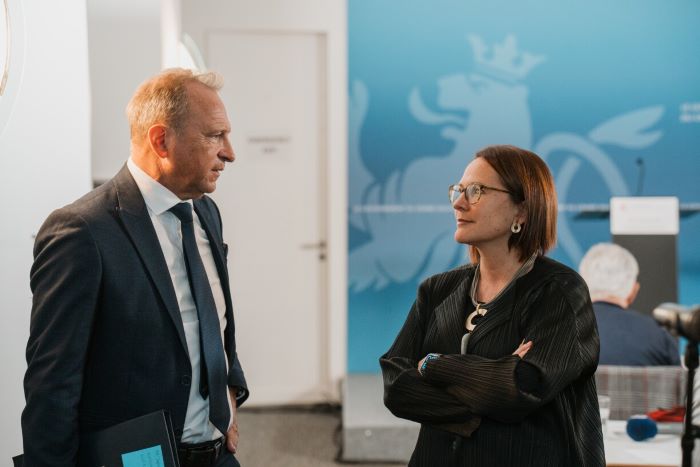
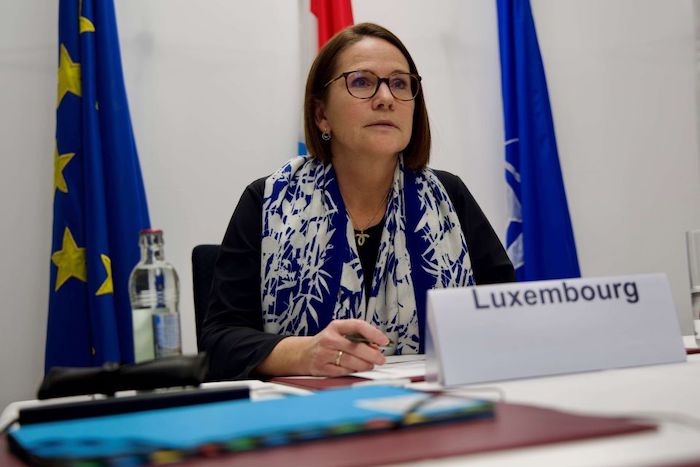
Photo – Yuriko Backes, Luxembourg Minister of Defence