








Coordinated Crime: How Europe’s Luxury Car Theft Network Works
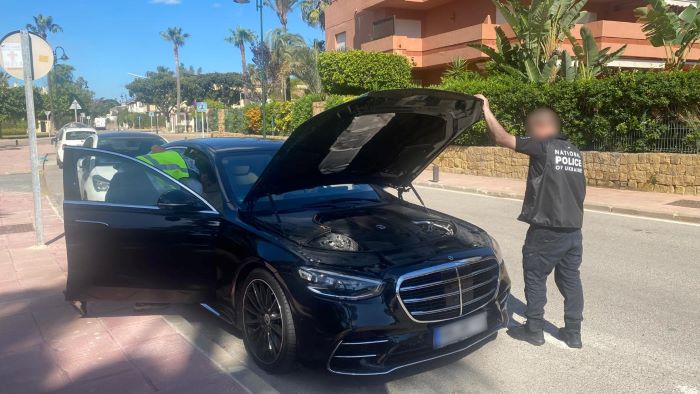
Two stolen Porsches taken from a dealership in Luxembourg have been intercepted by French police, shedding new light on an increasingly sophisticated cross-border network targeting luxury vehicles across Europe. The heist, carried out in the early hours of the week, is part of a growing trend of coordinated thefts that stretch from Luxembourg through Belgium, Germany, and into France.
Investigators believe the vehicles were stolen by a well-organized group that specializes in high-end cars, particularly brands like Porsche, BMW, and Range Rover. According to law enforcement sources, such cars are often driven across borders within hours, taking advantage of Europe’s open Schengen routes that allow unhindered movement between countries. Once out of the country, the cars are re-registered using falsified documents or hidden in shipping containers destined for ports in Spain, the Balkans, or Northern Africa.
Authorities say the stolen cars frequently end up in North and West Africa, Eastern Europe, and parts of the Middle East, where demand for luxury vehicles remains high and tracing them becomes nearly impossible. In some cases, the cars are dismantled for spare parts, a method that ensures quick profit and reduces the risk of recovery.
Police across Europe, supported by Europol and Eurojust, have launched several joint operations to curb the wave of thefts. Recent raids in Belgium, Germany, and France have led to dozens of arrests, but officials admit that criminal syndicates have become adept at exploiting gaps in cross-border policing and inconsistent national vehicle registration systems.
Security experts warn that technology has become both a blessing and a curse. Modern luxury vehicles, while equipped with advanced anti-theft systems, are vulnerable to digital attacks. Thieves now use key-cloning devices, relay amplifiers, and signal jammers that allow them to unlock and start cars without breaking windows or forcing locks.
Authorities urge owners of luxury cars to take additional precautions, install hidden GPS trackers, use steering locks, store keys in signal-blocking pouches, and park in secured or monitored areas. Manufacturers are also being pressed to enhance digital encryption in keyless systems and strengthen vehicle identity tracking.
The interception of the stolen Porsches in France may be a small victory, but it underscores a larger problem. As Europe’s borders remain open and global demand for high-end cars continues to rise, law enforcement faces a relentless and fast-moving threat – one that turns symbols of status into tools of organized crime.