







Luxembourg Avian Flu Worries – When Viruses Run Faster than Bureaucracy
What began as a muted warning from veterinary health authorities has quickly escalated into a full-blown agricultural crisis in Luxembourg. The avian influenza outbreak, once dismissed as a containable scare, is now disrupting food supply chains, shaking consumer confidence, and posing new questions about the nation’s preparedness for animal-borne diseases.
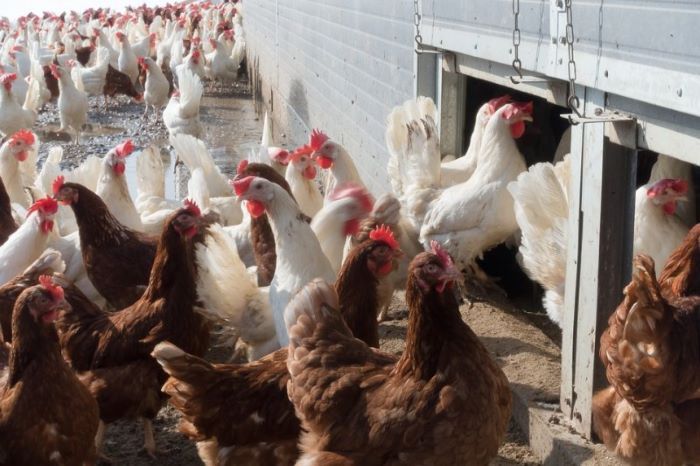
In recent days, several of the country’s major supermarket chains have voiced concern over dwindling supplies of poultry, eggs, and related products. Farmers are culling infected flocks, while transport restrictions are slowing down deliveries even from unaffected regions. “It’s not just about chicken or eggs anymore,” said a supermarket manager in Esch-sur-Alzette. “The ripple effects are being felt across the supply chain, from feed suppliers to restaurant kitchens.”
Only weeks ago, agricultural authorities had flagged “isolated cases” of avian flu among migratory birds. Containment measures were recommended but not strictly enforced, as many farms remained confident the situation would “resolve naturally.” That complacency, experts now say, has proven costly.
“The warning signs were clear,” noted Dr. Émile Schroeder, a veterinary epidemiologist at the University of Luxembourg. “We failed to act swiftly enough with farm quarantines and movement restrictions. The virus has now spread through multiple farms, and that’s where containment becomes exponentially harder.”
The Ministry of Agriculture has since announced emergency funding for farmers forced to destroy livestock and imposed stricter hygiene and transport rules. Yet, many in the farming community say the response came too late and lacks coordination.
“The compensation is helpful, but it doesn’t replace months of lost income,” said poultry farmer Martine Muller, whose family farm near Ettelbruck has been under lockdown since last week. “We need clearer protocols and faster testing if this is going to be contained.”
Economists warn that prolonged shortages could nudge food prices upward, especially as Luxembourg depends on regional trade for much of its poultry supply.
For now, health officials insist that the current strain of avian influenza – though highly pathogenic among birds – poses a low risk to humans. Transmission typically requires direct and close contact with infected birds or contaminated surfaces. Still, caution is being advised.
Citizens are urged to buy poultry and eggs only from certified retailers, cook all poultry products thoroughly, and avoid contact with wild or dead birds. Pet owners, particularly those with outdoor cats or backyard chickens, are advised to keep animals indoors or confined.
As supermarkets ration egg supplies and restaurants tweak menus, Luxembourgers are learning to adjust. Plant-based alternatives, imported poultry, and frozen goods are filling some of the gaps but not without strain.
“People are resilient,” said food analyst Marie Dubois. “Luxembourg’s strength has always been its ability to adapt quickly. But this outbreak should remind us how fragile our food systems can be.”
Beyond the immediate crisis, the avian flu outbreak has exposed vulnerabilities in Luxembourg’s agricultural and health response systems. Experts argue that early-warning protocols, emergency stockpiles, and regional coordination must be strengthened to prevent future disruptions.
For now, vigilance remains the nation’s best defense. As winter migration continues and the virus remains active, Luxembourg faces the delicate task of protecting both its farms and its citizens, without feeding public panic.
“We must learn from this,” said Dr. Schroeder. “Viruses move faster than bureaucracy. Next time, we can’t afford to wait.”