








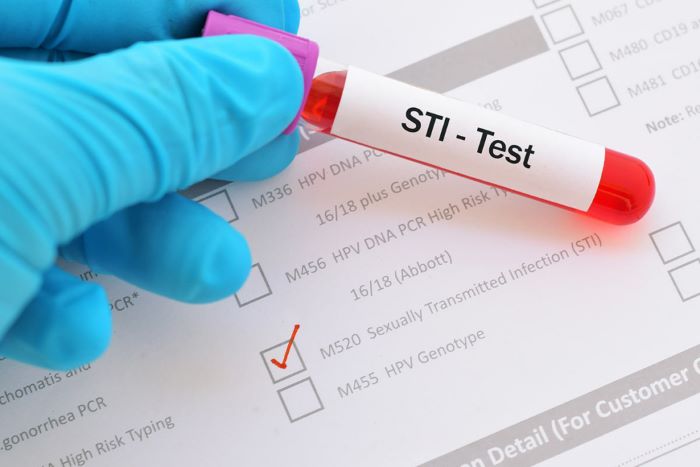
Luxembourg Urges Residents to Test for STIs as Rates Rise
Luxembourg’s health authorities are calling on residents to undergo regular screening for sexually transmitted infections, warning that rising case numbers across Europe demand renewed vigilance. The appeal is part of a broader public-health push, aimed not only at early detection but also at dismantling the stigma that often prevents people from being tested.
Sexually transmitted infections, or STIs, are a group of infections passed primarily through sexual contact – vaginal, anal or oral. They include a wide range of conditions, from common bacterial infections such as chlamydia, gonorrhoea and syphilis to viral infections including HIV, herpes and human papillomavirus (HPV). Some, such as trichomoniasis, are caused by parasites.
Transmission rates vary widely. Chlamydia remains the most frequently reported STI in Europe, particularly among young adults, while gonorrhoea and syphilis have been climbing steadily in recent years. Luxembourg has reflected these continental trends, with health officials noting that increased mobility, reduced condom use and a lack of routine screening have helped fuel the spread. Many STIs are transmitted even when symptoms are mild or entirely absent, allowing infections to circulate silently.
STIs are contact-based infections. They spread through unprotected sexual activity, skin-to-skin contact, and, in some cases, the exchange of bodily fluids. Certain infections, such as herpes and HPV, can be passed on even when condoms are used, as they may affect areas not covered by protection. Needle sharing, particularly among people who use intravenous drugs, can also transmit blood-borne viral infections like HIV and hepatitis B.
No demographic is immune. Young adults typically represent the highest proportion of new cases, but older age groups have seen rising infections as well. Men who have sex with men face higher risks for certain conditions, such as syphilis and HIV, though infection rates are increasing across all populations. Migrants and people with limited access to healthcare are often disproportionately affected, largely due to gaps in screening and treatment.
While not all STIs are life-threatening, untreated infections can lead to serious complications. Chlamydia and gonorrhoea can cause infertility, pelvic inflammatory disease or chronic pain. Syphilis can damage the heart, brain and other organs if allowed to progress. HIV remains a lifelong condition, though treatment has transformed it into a manageable chronic illness for those with access to care. Some viral infections, such as HPV, are linked to cancers, making early detection vital.
Effective treatments exist for most STIs. Antibiotics can clear bacterial infections, while antivirals help suppress viral conditions and reduce transmission risk. Vaccines – particularly for HPV and hepatitis B – offer powerful protection. Luxembourg’s renewed testing campaign underscores a key message echoed by specialists – early diagnosis is the most reliable defence. The sooner an infection is detected, the easier it is to treat, and the less likely it is to spread.
Health officials say the call to test is not about alarm but awareness. With cases rising, they argue, regular screening, safer sex practices and accessible healthcare remain the cornerstones of prevention and the most effective way to keep infections from gaining further ground.