





Luxembourg Pushes for Clear Legal Basis for Entry Sanctions
Luxembourg is moving to establish a clearer legal foundation for imposing entry sanctions, signalling a shift toward a more structured and transparent regime governing who may be barred from entering or transiting the country. The initiative reflects growing concern within government circles that the current framework, spread across EU-level measures and domestic regulations, is no longer adequate for the complex pressures facing Europe’s migration and security environment.
At present, Luxembourg implements restrictive measures largely through EU or United Nations sanctions, as well as national regulations that tend to focus on financial and trade restrictions. Entry bans are included only as part of broader sanction packages, and officials argue that this lacks the precision needed to respond to today’s challenges, including irregular migration, human-trafficking networks and cross-border security risks. The government is understood to want a system that offers clearer criteria for imposing travel-related sanctions, greater legal certainty, and procedures that better align with current realities.
A future legal basis is likely to codify when and how entry or transit bans may be applied. This could include the establishment of specific thresholds, such as links to serious crime or threats to national security, and the requirement that decisions be taken proportionately and subject to appeal. Any new law would also have to comply with Luxembourg’s obligations under European and international human rights standards, including protections for families, minors and vulnerable individuals.
Yet the push carries several risks. Human rights advocates warn that without strong safeguards, an expanded sanctions framework could lead to arbitrary bans or discriminatory practices, undermining fairness and Luxembourg’s reputation as a rule-of-law-driven state. Recent rulings from European courts have underscored the need for careful handling of entry restrictions, particularly involving parents travelling with children or individuals seeking protection. Policymakers face a delicate balance between tightening controls and respecting fundamental rights.
The debate is unfolding as the European Union considers reforms to its migration and border-management system, including new tools to address unauthorised entry and smuggling. Luxembourg’s approach may ultimately serve as a model for smaller member states seeking clearer authority to manage complex cross-border movements, though much depends on the detail of the eventual legislation.
For now, the government’s intention signals a broader shift in Europe, where states are seeking firmer frameworks to manage border pressures without breaching core principles of justice and transparency. Whether Luxembourg can achieve that balance will become clearer once draft legislation emerges and is tested against political, legal and societal scrutiny.
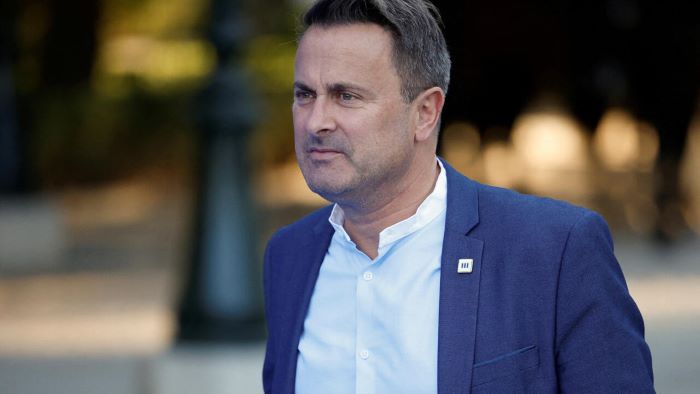
Photo – Xavier Bettel, Premier ministre du Luxembourg, le 6 octobre 2023 à Grenade, en Espagne. © Juan Medina, Reuters