








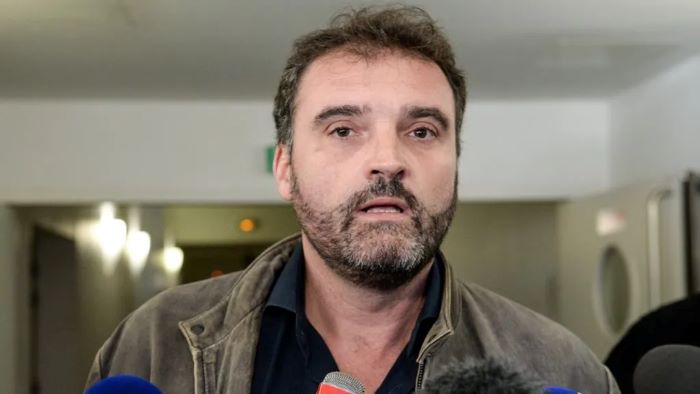
France’s ‘Dr Death’ and the Betrayal at the Heart of Medicine
France has been shaken by the conviction of Frédéric Péchier, a former anaesthetist whose crimes turned operating theatres into scenes of calculated harm and shattered the most basic trust between doctor and patient. Branded by the French media as “Dr Death”, Péchier was jailed for life after a court found that he deliberately poisoned patients over several years, causing a string of unexplained cardiac arrests and multiple deaths.
Péchier, who worked in private clinics in Besançon in eastern France, stood accused of intentionally contaminating medical products used during surgery, including intravenous fluid bags and anaesthetic equipment. Prosecutors argued that these acts were not medical errors or tragic coincidences but part of a deliberate pattern carried out between the late 2000s and 2017. Victims ranged from young children to elderly patients undergoing routine or low-risk procedures, many of whom suffered sudden cardiac arrest on the operating table.
The case began to unravel after doctors noticed an abnormal number of cardiac emergencies linked not to surgical complications but to the use of specific medical supplies. Toxicological tests later revealed abnormal concentrations of substances such as potassium and anaesthetics in equipment that should have been sterile and safe. Investigators traced repeated incidents back to moments when Péchier had access to, or responsibility for, the materials used.
At trial, prosecutors painted a chilling portrait of a doctor driven by ego, resentment and a craving for control. They argued that Péchier engineered medical crises in order to appear indispensable, either by dramatically reviving patients or by casting doubt on the competence of colleagues whose patients collapsed. In some instances, he allegedly intervened during resuscitation attempts, reinforcing his image as a skilled anaesthetist while obscuring the true cause of the emergency.
Péchier denied all charges, maintaining that the cardiac arrests were the result of chance, complex medical conditions or systemic failures rather than criminal intent. His defence insisted that surgery always carries risks and that the evidence relied too heavily on statistical patterns rather than direct proof. The jury, however, was persuaded by the accumulation of forensic findings, expert testimony and the sheer improbability of so many similar incidents occurring without deliberate interference.
Families of the victims described a profound sense of betrayal. Many had entrusted loved ones to the care of a doctor they believed was there to protect life, not endanger it. Some spoke of routine operations that suddenly descended into chaos, leaving permanent disability, lifelong trauma or death in their wake. For them, the verdict offered a measure of justice but little comfort for losses that can never be repaired.
The conviction has sent shockwaves through France’s medical community. Doctors and hospital administrators have been forced to confront uncomfortable questions about oversight, access to drugs and equipment, and how warning signs went unnoticed for so long. Medical experts have pointed to the difficulty of detecting sabotage in high-pressure clinical environments, where complications are common and trust among staff is essential for swift decision-making.
Beyond the courtroom, the case has prompted calls for tighter controls on drug storage, clearer tracking of medical supplies and stronger systems for flagging unusual clusters of adverse events. It has also reignited debate about how healthcare institutions respond to internal suspicions and professional rivalries before they escalate into catastrophe.
Péchier’s life sentence reflects the court’s judgment that his actions constituted one of the gravest possible abuses of medical power. While he retains the right to appeal, the ruling stands as a stark reminder that medicine, for all its science and safeguards, ultimately rests on human ethics. When that moral foundation collapses, the consequences can be lethal, and the damage extends far beyond individual victims to the very soul of public trust in healthcare.