








Hidden Messages in Room Long Linked to Jesus’s Last Supper Found
Archaeologists studying the building traditionally associated with Jesus’s Last Supper say they have identified a series of previously unnoticed inscriptions and symbols on its walls, offering fresh insight into centuries of devotion at one of Christianity’s most venerated sites.
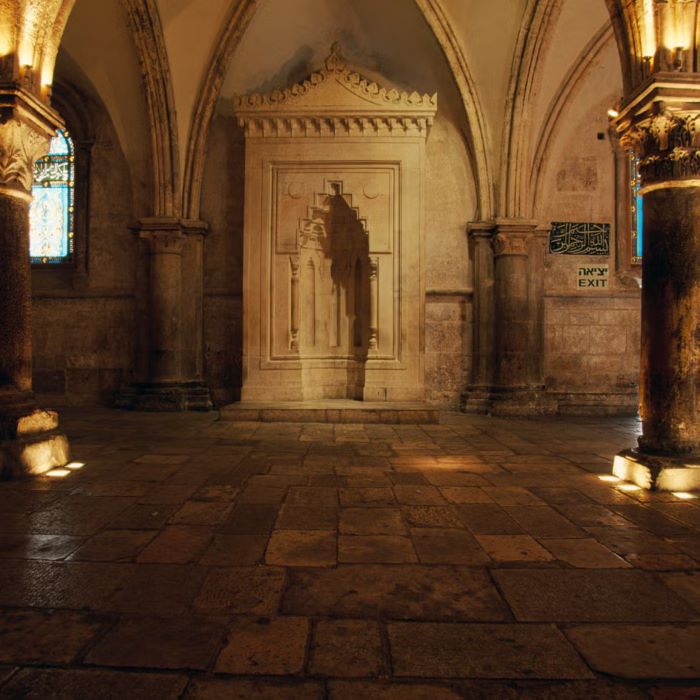
The hall, known as the Cenacle on Mount Zion, has long been regarded in Christian tradition as the place where Jesus shared his final meal with his disciples. Although the structure visible today dates largely to the medieval period, it stands above layers of earlier buildings connected to the earliest Christian communities in the city.
Researchers examining the stone surfaces of the chamber reported faint carvings, crosses and short inscriptions that appear to have been left by pilgrims over several centuries. Some of the markings include names and simple devotional phrases, suggesting that visitors used the site not only as a place of ritual significance but also as a space for personal expressions of faith.
Preliminary assessments indicate that the inscriptions reflect a wide geographical spread of visitors. Some appear to have been made by medieval European pilgrims, while others may be linked to Eastern Christian travellers, underscoring the site’s long-standing importance across different traditions.
Scholars say the findings do not settle the longstanding debate over the precise historical location of the Last Supper, a question that has never been conclusively resolved. Instead, the markings provide evidence of how the room was revered and used by successive generations of worshippers.
Further analysis is expected to focus on dating the inscriptions more precisely and identifying the languages and symbols involved. Archaeologists hope the work will help reconstruct the layered religious history of the site and offer a clearer picture of the pilgrims who passed through it over the centuries.
Photo – DEA/ S. Vannini, Getty Images