







Alcohol Dependency and Luxembourg’s Support
Alcohol is often associated with celebration, relaxation, and social life, but its effects on the brain are far more complex than the brief sense of warmth or confidence it may produce. As a psychoactive substance, alcohol directly interferes with the brain’s communication system, altering the way nerve cells send and receive signals. Over time, these changes can affect mood, memory, decision-making, and overall mental health.
When a person drinks, alcohol slows down the central nervous system. It dampens activity in parts of the brain responsible for judgment, balance, and self-control. This is why people often feel more relaxed or less inhibited after a few drinks. However, the same chemical effects that produce this short-term sense of ease can also impair thinking, slow reaction times, and distort emotional responses.
As alcohol leaves the bloodstream, the pleasant feelings may fade, replaced by irritability, anxiety, or low mood. For people who drink heavily or regularly, these emotional swings can become more frequent and intense. Alcohol is classified as a depressant, meaning it disrupts the balance of brain chemicals that regulate mood. Over time, this can lead to persistent anxiety, depression, and sleep problems.
Long-term alcohol misuse can also cause structural and functional changes in the brain. Chronic heavy drinking is associated with memory loss, reduced concentration, and difficulties with learning and decision-making. In severe cases, it can lead to alcohol-related brain damage or forms of dementia. These effects may develop gradually, often going unnoticed until they begin to interfere with daily life.
The relationship between alcohol and mental health often becomes a cycle. Many people turn to drinking to cope with stress, trauma, or emotional pain. While alcohol may provide temporary relief, it ultimately worsens the very problems it is used to escape. As anxiety or depression deepens, the urge to drink increases, creating a destructive loop that is difficult to break without support.
Recovery from alcohol-related mental health issues is possible, especially when treatment combines medical care, psychological support, and social intervention. For people who are physically dependent on alcohol, supervised detoxification may be necessary to manage withdrawal safely. Medications can also help reduce cravings or stabilise mood during recovery.
Psychological therapies, particularly cognitive behavioural therapy, are widely used to address both addiction and underlying emotional problems. Counselling can help individuals understand the reasons behind their drinking and develop healthier coping strategies. Support groups and peer-led programmes also play a vital role by offering encouragement, accountability, and a sense of community.
Lifestyle changes are equally important. Regular exercise, proper nutrition, stable sleep patterns, and reduced exposure to stressful environments can significantly improve mental wellbeing during recovery. Many people experience noticeable improvements in mood, clarity of thought, and emotional stability once alcohol consumption is reduced or stopped.
In Luxembourg, support for people struggling with alcohol dependency is built into the country’s public healthcare and social services. Residents are covered by national health insurance, which includes psychiatric care and addiction treatment. Government-supported organisations provide prevention programmes, counselling, and rehabilitation services for individuals and families affected by substance use.
Specialised centres offer information, early intervention, and structured treatment for those with alcohol problems. Community-based initiatives and peer-support groups, including Alcoholics Anonymous, operate across the country, providing accessible help in multiple languages. Outpatient counselling and residential rehabilitation programmes are also available for those who require more intensive care.
Together, these measures reflect a public-health approach that treats alcohol dependency not as a moral failing, but as a medical and social issue that requires coordinated support.
Alcohol’s impact on the brain is both immediate and long-term, influencing mood, memory, and mental health in profound ways. While excessive drinking can contribute to serious psychological problems, recovery is achievable with the right combination of treatment, support, and lifestyle change. Public systems such as those in Luxembourg demonstrate how accessible care and prevention can help individuals break the cycle of dependency and rebuild healthier lives.
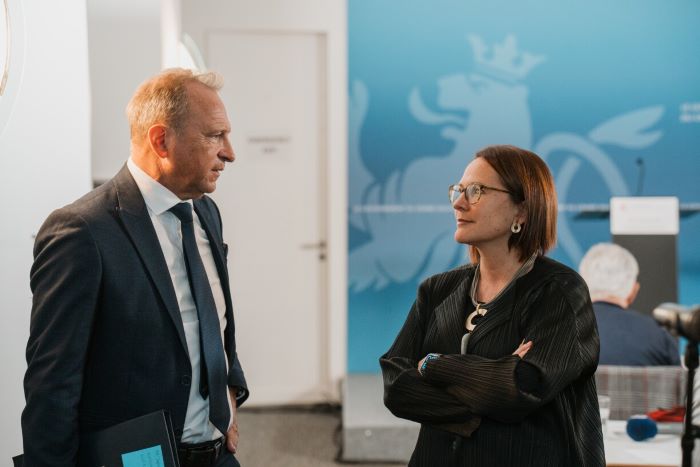
Photo – © int.livhospital