


Middle East Tensions Trigger Fuel Price Fears in Luxembourg
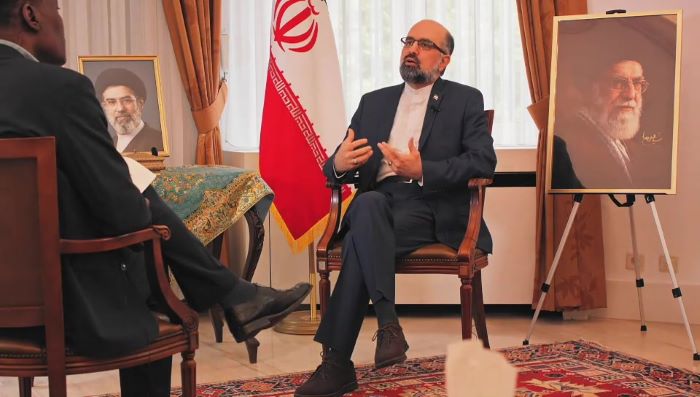
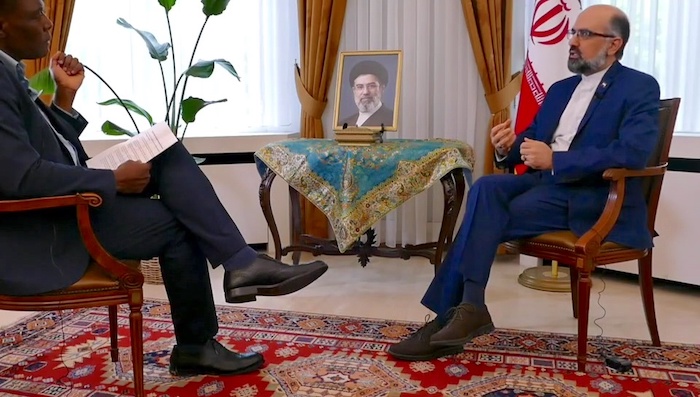
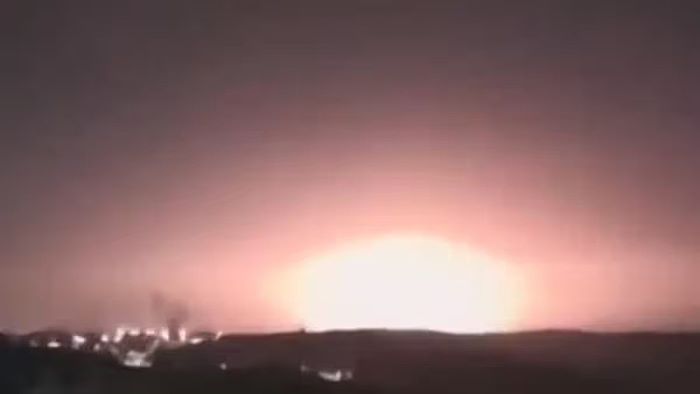
As tensions escalate between Iran, Israel and the United States, the effects are being felt far beyond the Middle East – reaching fuel pumps and household budgets across Europe, and increasingly shaping economic expectations in Luxembourg.
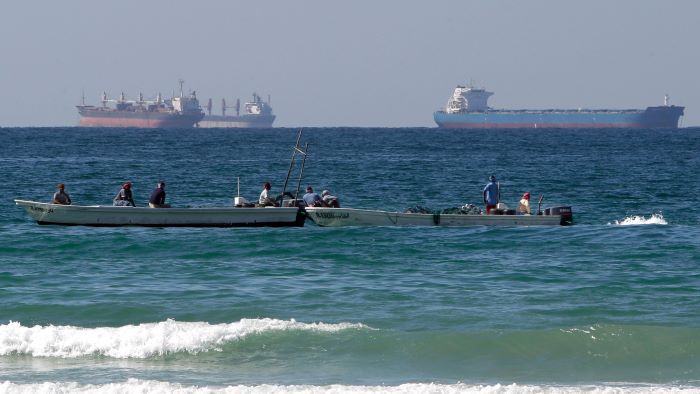
At the heart of the global anxiety lies the Strait of Hormuz, one of the most strategically vital waterways in the world, through which a large share of global oil exports passes each day. Any threat to shipping in that narrow channel sends immediate tremors through energy markets, driving up crude prices and triggering fears of supply disruption. Even when oil continues to flow, the mere risk of interruption is often enough to push prices sharply higher.
Europe, heavily dependent on imported energy, is particularly vulnerable to these shocks. As global oil prices climb, refiners pay more for crude, fuel distributors adjust wholesale costs, and petrol stations follow – usually with a delay of several weeks. For consumers, that delay often creates a false sense of stability before the real price impact arrives.
Luxembourg’s position makes it especially exposed in a distinctive way. Long known for comparatively competitive fuel pricing, the country attracts large numbers of cross-border drivers from neighbouring France, Belgium and Germany. When wholesale fuel costs rise internationally, demand at Luxembourg’s filling stations often intensifies as motorists seek relatively cheaper options. The result can be a rapid upward adjustment in pump prices, driven both by higher global costs and increased regional demand.
For everyday residents, the immediate effect will most likely be gradual but persistent increases in petrol and diesel prices. Commuting costs will rise first, followed by broader economic consequences that are less visible but ultimately more significant. Transport expenses feed into food prices, retail distribution and industrial production. As logistics become more expensive, the cost of living rises across the board.
Households may also feel pressure through higher heating and electricity costs where energy systems remain linked to gas or oil markets. Airline fares and public transport pricing often follow the same upward trajectory. What begins as a geopolitical crisis thousands of kilometres away can steadily reshape ordinary spending patterns at home.
If the confrontation remains contained, price increases may be sharp but temporary. Energy markets often respond dramatically to uncertainty and then stabilise if supply continues uninterrupted. But if tensions deepen, particularly if shipping routes are restricted or infrastructure damaged, the consequences could extend well beyond fuel costs.
Economists warn that prolonged high energy prices tend to slow economic growth while driving inflation higher, a difficult combination for governments and central banks alike. Consumers spend more on essentials and less on discretionary goods. Businesses face higher operating costs. Governments may be pressured to cushion households through subsidies or tax adjustments, placing strain on public finances.
For Luxembourg, a country deeply integrated into the wider European economy, these pressures would not remain confined to energy alone. Rising transport costs could affect cross-border labour mobility, retail activity and trade flows. The country’s economic openness – usually a strength – can amplify the speed at which global shocks are transmitted locally.
For now, there is little sign of panic buying or immediate shortages, and authorities across Europe continue to monitor supply conditions closely. But market behaviour is often shaped as much by perception as by physical supply. If uncertainty persists, volatility in fuel pricing may become a defining feature of the months ahead.
For ordinary citizens, the most realistic expectation is not sudden disruption but steady adjustment: higher petrol bills, rising living costs and a growing awareness that global conflicts increasingly shape everyday economic life.
In Luxembourg, the distance between geopolitical crisis and personal expense is shrinking, measured not in kilometres, but in euros per litre.
Photo – ©ABC7