


Iran – Why Europe Hesitates
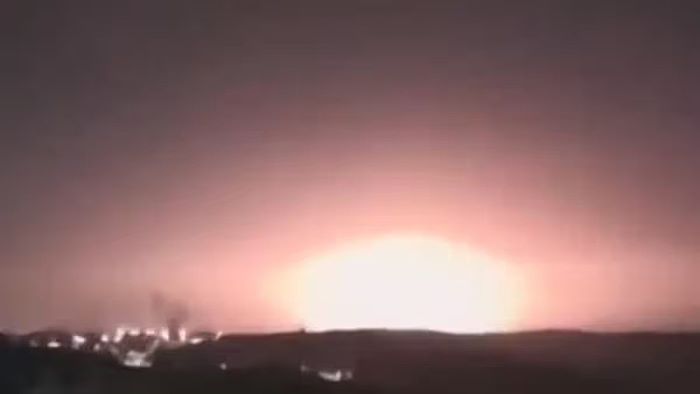
Germany and Belgium have so far declined to join the United States and Israel in their military strikes against Iran, while the United Kingdom and Spain have resisted pressure from Washington to make key bases available for missile launches, exposing deepening fractures across the Atlantic alliance.
The refusal by several major European powers to participate directly in the campaign marks one of the most significant public breaks with President Donald Trump’s foreign policy since his return to office. While European leaders have expressed concern about Iran’s regional activities and security posture, they have stopped short of endorsing a widening military confrontation that could engulf the Middle East and destabilise Europe’s fragile economy.
Officials in Berlin and Brussels have indicated that their governments are wary of entering a conflict without a clear international mandate or defined endgame. European diplomats privately point to the political and economic fallout of previous interventions in Iraq and Libya, arguing that open-ended military campaigns have historically left the continent managing refugee flows, terrorism risks and energy shocks long after Washington’s strategic focus has shifted.
In London and Madrid, the dispute has centred on access to military facilities. The UK government has faced domestic political pressure to avoid direct involvement in offensive operations, while Spain’s leadership has publicly questioned the wisdom of escalating tensions. Both governments are balancing alliance commitments with growing public scepticism about another Middle Eastern war.
Energy security remains a central concern. Any prolonged disruption in the Gulf region risks driving up oil and gas prices, threatening inflationary pressures that European economies are only beginning to tame. Countries such as Germany, still sensitive to energy shocks following the war in Ukraine, are particularly cautious about becoming party to actions that could provoke retaliation or close vital shipping routes.
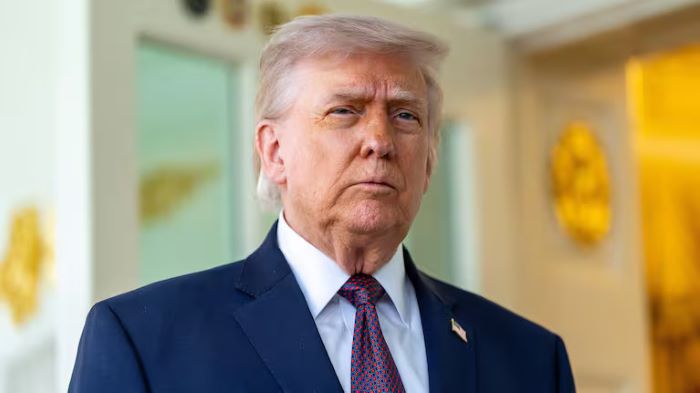
President Trump, for his part, has signalled little patience for allied hesitation. In recent remarks he has framed the campaign as necessary to neutralise threats and reshape the regional balance of power. Analysts expect Washington to increase diplomatic and economic pressure on reluctant European partners, potentially using trade negotiations or defence commitments as leverage to secure greater cooperation.
A moderate projection of the administration’s next steps suggests three possible trajectories. First, the United States may intensify strikes against Iranian strategic assets in an effort to force concessions or weaken Tehran’s leadership. Second, Washington could seek to broaden support by pressing NATO allies for logistical, intelligence or defensive backing short of direct combat participation. Third, if resistance hardens, the White House may pursue a more unilateral course, calculating that swift military success would eventually compel European governments to align.
For Europe, the dilemma is acute. Direct involvement carries military and economic risks, including the possibility of retaliatory cyber or proxy attacks on European soil. Yet prolonged estrangement from Washington could weaken NATO cohesion at a time when security challenges on the continent remain unresolved.
How the crisis ends will depend largely on whether the conflict expands or stabilises. A limited campaign followed by diplomatic engagement could allow both sides of the Atlantic to recalibrate and restore cooperation. A drawn-out confrontation, particularly one aimed at regime change in Tehran, would deepen divisions and accelerate calls within the European Union for greater strategic autonomy from the United States.
For now, Europe’s resistance reflects not indifference but calculation. Leaders across the continent appear determined to avoid being drawn automatically into a conflict whose scope and consequences remain uncertain, even as they weigh the costs of defying a US administration that shows little inclination to retreat.
A traveler checks departure times as many flights are cancelled at Beirut Rafik Hariri International Airport in Beirut, Lebanon, Saturday, Feb. 28, 2026, as many airlines canceled flights due to the conflict involving the United States, Israel and Iran. (AP Photo/Hassan Ammar)