





Bridge to Unite Congos
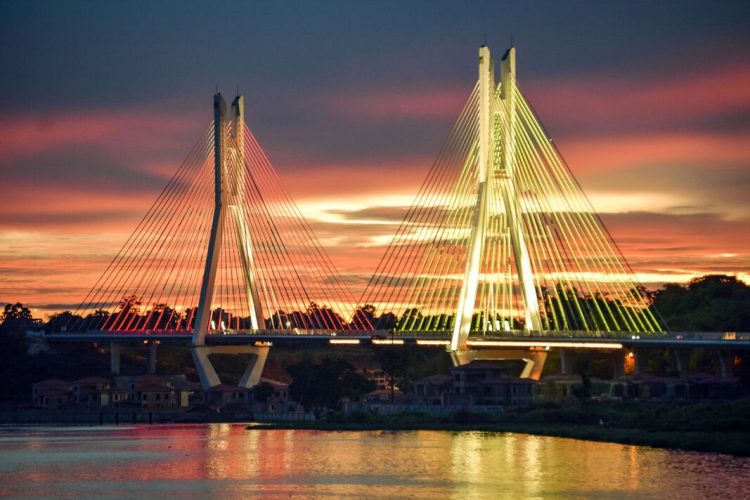
In a landmark development set to reshape Central Africa, a long-awaited bridge will soon connect Brazzaville and Kinshasa, the capitals of the Republic of the Congo and the Democratic Republic of the Congo. Officially named the Kinshasa-Brazzaville Road-Rail Bridge, ambitious infrastructure project valued at 608 million euros is more than three decades in the making and promises to bring economic and political transformation to the region.
The two cities sit almost directly opposite each other across the Congo River, making them the closest national capitals in the world after Rome and Vatican City. Despite this striking proximity, they have never been joined by road or rail. For decades, the only way to cross the river has been by ferry or a brief flight, both often unreliable and expensive. The new bridge aims to change this reality by offering a permanent, practical link.
Plans for a bridge first emerged in the early 1990s. Back then, optimism surrounded the project as leaders on both sides of the river recognized the immense benefits it could bring. However, political instability, economic crises, and frequent tensions between the two nations stalled any real progress. The Democratic Republic of the Congo (DRC) has faced repeated bouts of conflict, while its neighbor across the river, the Republic of the Congo, has experienced its own periods of turmoil. As trust between the countries fluctuated, so too did the prospects for the bridge.
It took until 2018 for the two governments to formally sign an agreement to move forward. This commitment was supported by the African Development Bank (ADB), which pledged €250 million to finance the project. The bank views the bridge as a key component in promoting regional integration and unlocking new markets across Central Africa. Total costs are expected to reach around £520 million, funded through a mix of international loans, development grants, and contributions from the two Congos.
Construction is planned to take place downstream from Brazzaville and Kinshasa, at a point where the river narrows and conditions are more favorable for building. Engineers believe this location offers the best chance for a stable, long-lasting structure. The project will feature both road and rail lines, which should further enhance its role as a regional transport hub.
Supporters of the bridge highlight its enormous economic potential. Trade between the two Congos is currently limited by the high cost and logistical complexity of moving goods across the river. A direct connection is expected to slash transport times and costs, open new business opportunities, and boost formal commerce. Local industries on both sides stand to benefit, from small-scale traders who can reach new markets more easily, to larger enterprises seeking cheaper export routes.
Beyond trade, the bridge carries weighty diplomatic significance. The two Congos have often viewed each other with suspicion, given their intertwined histories and occasional rivalries. A permanent link could serve as a powerful symbol of reconciliation, encouraging more collaboration and trust. Regional organizations like the Economic Community of Central African States see the project as a step toward greater economic and political unity across the continent.
There are also hopes that easier movement will foster deeper cultural ties. Families divided by the river, artists, and students could all benefit from being able to cross with less hassle. Tourism might also see a boost, with visitors drawn by the novelty of stepping so easily between two capitals.
Still, some observers question whether the investment can truly pay for itself. The project’s scale means it comes with hefty debt obligations. Critics worry about whether traffic volumes will be high enough to justify the cost, especially given the relatively low levels of formal trade recorded so far. They point to the need for complementary investments in customs systems, roads, and security on both sides of the river to ensure the bridge lives up to its promise.
But many argue that the benefits of the bridge should not be measured purely in financial terms. In regions long held back by poor infrastructure, the value of such a connection goes beyond immediate profits. A reliable link can change daily life, providing new chances for work, study, and family contact. It also stands as a testament to what regional cooperation can achieve in a part of the world too often associated with division and conflict.
If successful, the Kinshasa-Brazzaville Road-Rail Bridge could become one of Africa’s most important pieces of infrastructure. It would show how shared ambitions can overcome years of mistrust and missed opportunities. For the millions living in and around the two capitals, it promises not only shorter journeys across the Congo River but perhaps also a new era of partnership and possibility.