








Luxembourg’s Fiscal Stress Test: Can the Nation Stay Ahead of the Curve?
Luxembourg, famed for its robust financial sector and enviable public services, is now
confronting mounting pressure on its public finances. As global economic headwinds
collide with domestic policy choices, the Grand Duchy is finding itself in a delicate
balancing act – spending to sustain growth while struggling to keep its deficit in check.
At first glance, the numbers may not seem alarming. After six months, Luxembourg’s
central government, excluding municipalities and social security funds, is running a
deficit of around €111 million. That’s still a comfortable distance from the €1.29 billion
ceiling forecast in the 2025 budget. Yet, a closer look reveals structural warning signs
that could widen the gap in the years ahead if not swiftly addressed.
The root of Luxembourg’s fiscal pressure is a tale of two diverging trends: stagnating
revenues and swelling expenditures.
On the revenue side, growth has slowed dramatically, just 2.5% in the first half of the
year. This underwhelming performance stems largely from inflation-linked tax bracket
adjustments, which have shielded taxpayers from higher bills but simultaneously
chipped away at the state’s income. Moreover, generous housing investment incentives,
designed to stimulate construction and alleviate supply shortages – further eroded
revenue, particularly as they expired mid-year.
Meanwhile, government spending surged 6.9% compared to the same period last year.
Public sector wages and pensions were the chief culprits, reflecting Luxembourg’s
strong social contract but adding long-term pressure to the budget. With an aging
population and rising life expectancy, pension obligations alone could balloon in the
coming decade unless reforms are introduced.
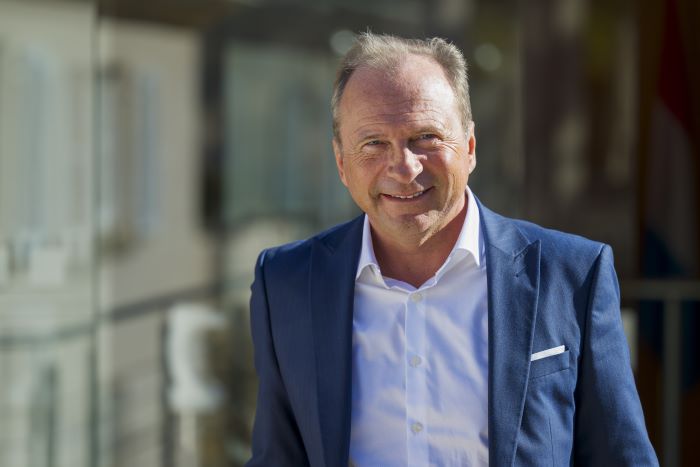
Finance Minister Gilles Roth has projected calm throughout, insisting that the
government remains on track. “We will end the year with a deficit below our target,” he
said, reiterating a commitment to “caution” without offering specifics on how spending
will be reined in.
However, others are less sanguine. Franz Fayot, MP for the centre-left LSAP party, has
openly questioned the government’s direction. “We are gambling on the future,” he
warned in parliament. His concern being that Luxembourg is leaning too heavily on its
financial sector for revenue while simultaneously pursuing structural tax cuts that erode
its fiscal base.
This strategy, Fayot argues, is not only short-sighted but undermines the political
consensus around sustained public investment, a pillar of Luxembourg’s competitiveness. “We all agreed that investment must remain high,” he said. “But with
continuous tax cuts, something has to give.”
The debate goes beyond mere budget arithmetic. It speaks to the soul of Luxembourg’s
social model. Can a nation known for low inequality, generous social spending, and high
public trust afford to keep cutting taxes while promising security, green investment, and
digital transformation?
Nevertheless, experts suggest Luxembourg still has room to maneuver. Its debt-to-GDP
ratio remains among the lowest in the EU, and its AAA credit rating gives it ample fiscal
space. However, this cushion may not last forever.
To bounce back sustainably, economists are calling for a multi-pronged approach: a
review of pension obligations, better targeting of public subsidies, and a more diversified
tax strategy that doesn’t rely disproportionately on the financial sector.
Luxembourg could also consider delaying some of its structural tax cuts or introducing
temporary levies on windfall profits, a step some EU countries have adopted to bridge
short-term gaps.
Realistically, with prudent reforms, Luxembourg can bring its deficit back under control
within 12–18 months. But without decisive action, the country may be forced into deeper
cuts, or face a political reckoning over the future of its welfare state.
In the words of one analyst: “Luxembourg is not in crisis. But it is in a moment of truth.”
Photo – Gilles Roth, Minister of Finance of Luxembourg (Copyright: © SIP / Jean-Christophe Verhaegen)